en
enVotre panier est vide.



We spend close to seven hours a day asleep, which means that for roughly a third of life the body and brain are engaged in a quieter but essential form of activity. Sleep is not simply a pause between two waking days: it is a period of recovery, regulation and restoration. Yet sleep does not remain unchanged across the years. The night of a seventy-year-old is not the same as the night of a twenty-year-old, and that shift is often felt very directly in daily life.
Ageing is frequently associated with lighter, more fragmented sleep, even when time in bed remains similar. That does not mean everyone needs the same number of hours, nor that every change is automatically a sign of illness. But it does help explain why sleep can feel less restorative with age, why daytime drowsiness or naps may become more common, and why difficulties such as insomnia or sleep apnoea deserve careful attention. To sleep well as we grow older is not a luxury; it is part of protecting balance, energy and quality of life.
Good sleep also matters because its effects extend well beyond tiredness. It is associated with attention, emotional regulation, memory consolidation and the general sense of mental steadiness that supports everyday autonomy. When sleep becomes repeatedly disrupted, people often notice not only fatigue, but also reduced patience, poorer concentration and a more fragile sense of equilibrium during the day.
In short: how can better sleep support aging well?
Better sleep can support aging well by helping the body recover, the brain consolidate memory and the nervous system return to balance. Sleep changes with age, so the goal is not perfect sleep, but steadier rhythms and more restorative conditions.
- Regular wake and sleep times help stabilize the body clock.
- Light exposure in the morning supports circadian rhythm.
- A calmer evening routine can reduce stress before bed.
- Sleep quality matters as much as sleep duration.
For a gentle reset before evening, try the free Mental Reset Session. For more sleep support, read Natural Sleep Aids.
How Sleep Changes With Age
The brain moves through several sleep stages
Sleep is not a single, uniform state. The brain moves through four distinct phases that gradually shift the body from wakefulness into deeper rest. The first stage, often described as falling asleep, corresponds to alpha brain waves. This transition usually takes around ten minutes, as the brain leaves the waking state and begins to reduce alertness, muscular tension and external attention.
It then enters light sleep, associated here with theta waves, before moving towards the deeper phases. The next stage is linked to delta activity, and the final phase is deep slow-wave sleep. These stages help explain why sleep can feel restorative on some nights and more fragile on others: the quality of rest depends not only on how long we sleep, but also on how these phases unfold across the night.
In practice, these stages do not occur just once. They repeat in cycles across the night, and the balance between them changes from one cycle to the next. Early in the night, deep slow-wave sleep is often more prominent, whereas later periods may contain more lighter sleep and dreaming. This changing architecture helps explain why a person may sleep for a reasonable number of hours and still wake feeling unrefreshed if sleep has been repeatedly interrupted.
From a neurophysiological point of view, sleep can be understood as an organised shift in brain activity rather than a simple switch-off. Patterns observed on EEG reflect changes in arousal, sensory processing and internal regulation. That is one reason sleep quality is often more informative than duration alone: a shorter but stable night may feel more restorative than a longer night marked by repeated awakenings and shallow sleep.
- Falling asleep: alpha waves
- Light sleep: theta waves
- Deeper sleep linked to delta activity
- Final phase: deep slow-wave sleep

Why sleep often feels lighter in later life
Sleep needs vary from one person to another. For some people, seven hours are enough to face the day, while others may still feel tired after eleven. With age, however, many people also feel that they sleep less well. One reason is the rise in partial awakenings during the night. A person of around fifty may experience as many as thirty brief awakenings, whereas a child of five may have only four or five. These interruptions tend to increase over time, and the fourth phase of sleep may become lighter, which can make the whole night feel less restorative.
This is also why it is often difficult to make up for poor sleep at night by sleeping later in the morning: the body has usually adapted to established rhythms and fixed waking times. Daytime sleep still has a place, though. Whether we are seven or seventy-seven, the urge for a nap can appear during the day as part of normal daytime sleep pressure. In older adults, a nap may last around ten minutes, and in younger people up to twenty. A daily nap of twenty to thirty minutes is often recommended, except for those who already struggle to fall asleep. If sleep difficulties persist, insomnia may be involved.
In older adults, it is often associated with stress, medical problems or other contributing factors. There is occasional insomnia, which can be relatively common, and chronic insomnia, which may need proper care. Certain conditions that become more frequent with age, including respiratory illness, angina, diabetes, bladder problems and some medications, can also disturb sleep. Sleep apnoea is another possible cause of poor sleep. It involves a complete pause in breathing during the night. Breathing naturally slows during sleep and may briefly stop, which can occur normally, but if these apnoeic episodes exceed five, it is considered a syndrome and specialist advice is recommended to help avoid complications.
It is worth noting that lighter sleep in later life is not necessarily abnormal in itself. What matters is the overall impact on daytime functioning, mood, vigilance and health. Some older adults sleep for slightly fewer hours yet remain alert and well regulated during the day, while others experience significant fatigue because sleep has become too fragmented to feel restorative.
Changes in circadian timing may also play a part. Many people find that, with age, they become sleepy earlier in the evening and wake earlier in the morning. This shift does not always indicate a disorder, but it can create the impression of “poor sleep” when social schedules, evening habits or anxiety about waking early begin to conflict with the body’s preferred rhythm.
Napping can therefore be helpful when used carefully. A short nap may reduce sleep pressure and improve alertness without greatly disturbing the following night. By contrast, long or late naps may make it harder to fall asleep at the usual hour, especially in people who are already prone to insomnia. Timing, duration and individual sensitivity all matter.
- Sleep duration differs widely between individuals
- Partial awakenings tend to increase with age
- Short naps may help, unless they worsen night-time sleep
- Persistent insomnia or sleep apnoea should be assessed properly
Practical Habits That Can Support Better Sleep at Night
Evening choices that make sleep easier
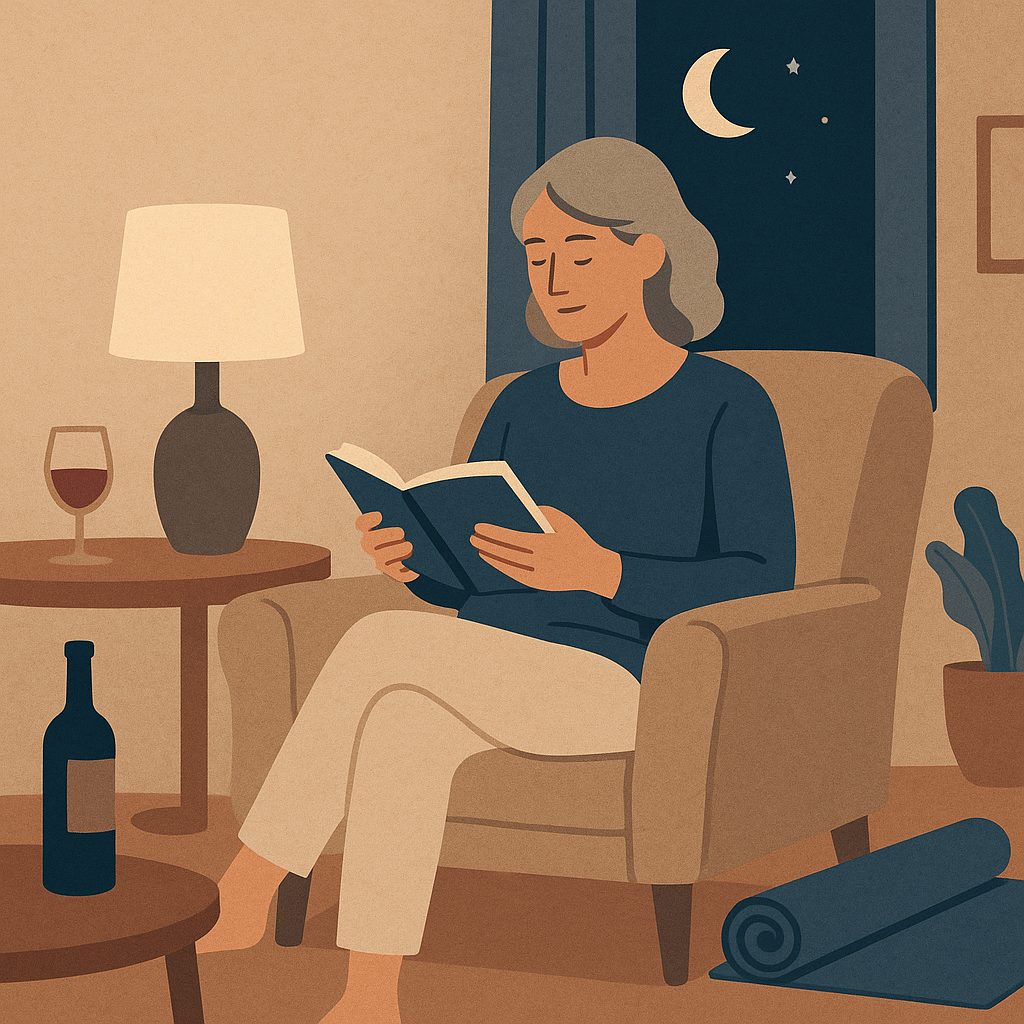
If you want to sleep better at night, a few simple evening habits can make a real difference. Too much alcohol with dinner is best avoided, even if it seems relaxing at first, because it can disrupt the quality of sleep later in the night. In the same way, it is wise not to do intense exercise too late in the evening, as this may keep the body and attention in a more activated state when you are trying to wind down.

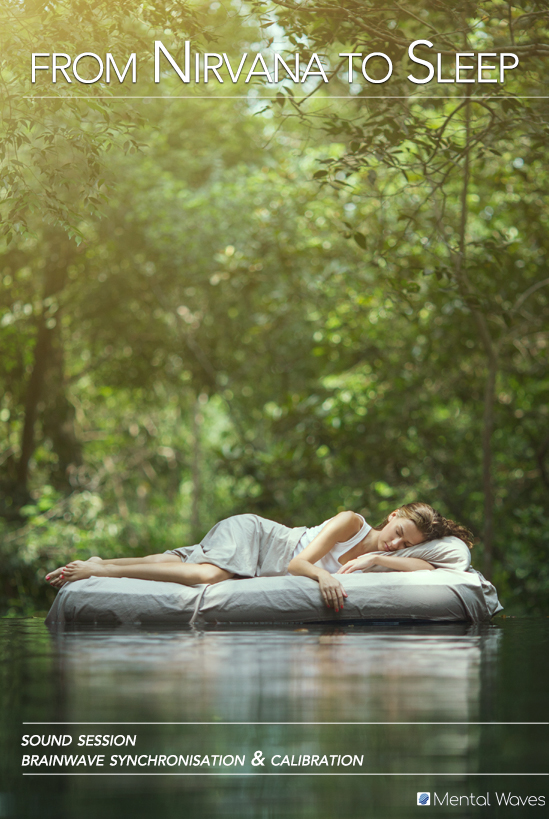
Related offer
From Nirvana to Sleep
This 45-minute music therapy combines deep relaxation with a gradual induction to deep sleep.
View productIt also helps not to eat too heavily at night and to limit stimulants. In contrast, calmer activities in the evening, such as yoga or other restful routines, may support the transition towards sleep. One useful principle is to give the mind time to settle before bed: trying to clear away the day’s mental clutter can help the body relax more fully and make falling asleep feel more natural.
Regularity is often just as important as comfort. Going to bed and getting up at broadly similar times may help stabilise the body clock and reduce the mismatch between biological rhythms and daily obligations. This does not ensure perfect sleep, but it can support a more predictable transition into rest and a steadier level of alertness the next day.
The bedroom environment also deserves attention. A room that is too warm, too bright or too noisy can increase micro-awakenings without the sleeper always being fully aware of them. Cooler temperatures, reduced light exposure and a quieter setting may therefore support deeper and less fragmented sleep, particularly in people whose nights have already become more fragile with age.
- Avoid excess alcohol at dinner
- Do not exercise intensely very late in the evening
- Eat lightly and limit stimulants
- Choose calming activities before bed
Relaxation methods and preparing the mind for rest
Beyond practical habits, relaxation itself has an important place in a healthy bedtime routine. Many people sleep better when they create a quieter inner state before going to bed, rather than carrying stress, rumination or tension into the night. This is where approaches designed to calm both body and mind may be helpful, especially when they are used regularly and without expecting an instant fix.
One method often used for this purpose is sophrology. Broadly speaking, it aims to bring the body and mind into better harmony, with greater self-awareness and a deeper sense of calm. In that sense, it may help some people relax more effectively before sleep. The goal is not to force sleep, but to create the conditions in which rest can come more easily and more peacefully.
Other simple techniques may serve a similar function: slower breathing, progressive muscle relaxation, gentle body scanning or a few minutes of quiet attention to bodily sensations. These approaches may help reduce physiological arousal and interrupt the cycle in which worry about sleep itself becomes another obstacle to falling asleep. For many people, the most useful bedtime practice is not the most elaborate one, but the one they can repeat consistently.
It can also help to distinguish between rest and performance. The more sleep is treated as something that must be achieved on command, the more mental pressure may build around bedtime. A calmer attitude, combined with supportive habits and appropriate medical advice when needed, often creates a more favourable context for sleep than repeated efforts to control it too tightly.
Seven Practical Ways to Support Sleep as You Age
Sleep often becomes lighter with age, but daily rhythm still matters. The most helpful changes are usually simple, repeated and respectful of the body rather than dramatic.
- Wake up at a consistent time, even after a difficult night.
- Get morning daylight whenever possible.
- Reduce stimulants and heavy meals late in the day.
- Keep the bedroom cool, dark and quiet.
- Use a calming transition before bed.
- Move the body during the day without overexerting at night.
- Address stress before it reaches the pillow.
The Mental Waves Sleep and Aging Framework
The Mental Waves frame is to treat sleep as a rhythm of recovery. Aging well is supported when the day gives the night a fair chance: light, movement, food, attention and stress all influence how sleep unfolds.
- Rhythm: protect regular timing and morning light.
- Release: reduce mental load before bed.
- Recover: respect sleep as repair, not laziness.
- Adapt: adjust habits as the body changes with age.
For body-clock context, continue with Circadian Rhythms and the Body Clock. For the brainwave side of rest, read The Different Brain Waves.
A Calmer Plan for Difficult Nights
One difficult night does not ruin the next day, and one restless period does not define the way someone ages. A helpful approach is to reduce pressure around sleep while still protecting the conditions that make sleep more likely. This means avoiding long naps when they steal from nighttime sleep, keeping the morning anchor steady and using the evening as a gradual descent rather than a sudden shutdown.

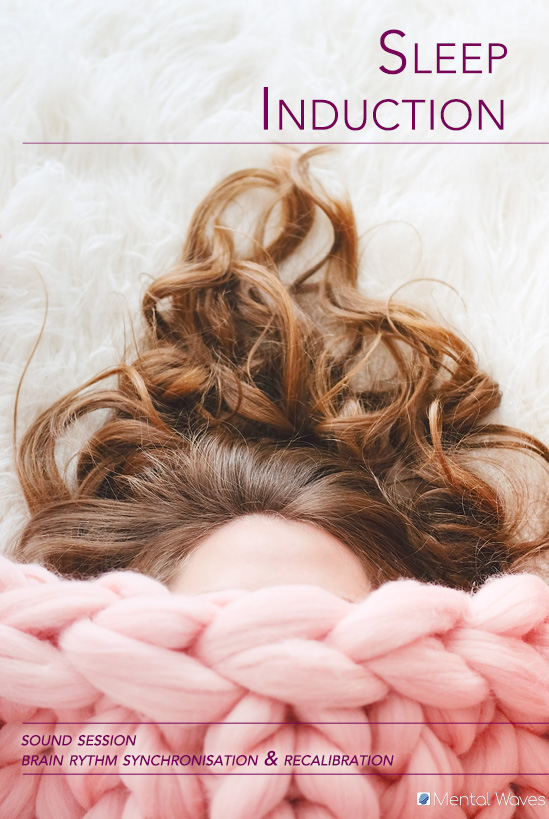
Related offer
Sleep induction
Set against a natural backdrop, this session guides your brain into a state of sleep...
View productIf worry becomes the main bedtime pattern, the first goal is not to force sleep. It is to lower arousal. Writing down unfinished tasks, dimming light, stepping away from upsetting content and using a short breathing practice can help the mind stop treating the pillow as a planning desk. When sleep does not arrive quickly, some people do better by briefly leaving the bed, doing something quiet and returning when drowsiness comes back.
Sleep also belongs to the whole day. Movement, social contact, natural light and regular meals can make the night more stable. This is especially important with age, because the body clock can become more sensitive to irregular timing. The practical question is simple: what can today do to make tonight easier?
It also helps to judge sleep by patterns rather than by a single number. Duration matters, but so do regularity, awakenings, daytime alertness and the feeling of recovery. Someone may sleep fewer hours than before and still function well if the rhythm is stable. Another person may spend many hours in bed and still feel exhausted if sleep is fragmented. This is why sleep hygiene should stay personal, observant and flexible, with changes measured gently across several weeks instead of judged night by night. That softer view often reduces bedtime pressure.
Editorial note from Mental Waves
This article is educational. Sleep habits can support wellbeing, but persistent insomnia, breathing pauses, severe fatigue or medication questions deserve qualified professional care.
Conclusion
Ageing does not simply mean “sleeping less”; it often means sleeping differently. Nights may become lighter, more fragmented and more sensitive to stress, illness or changes in routine, even when the need for restoration remains very real. That is why it helps to look beyond the number of hours alone and pay attention to the broader regulation of sleep: the body clock, evening habits, mental tension, and, when needed, possible disorders such as insomnia or sleep apnoea.
In that sense, sleeping well to age well is less about chasing perfect nights than about creating conditions that support steadier recovery over time. Simple choices — a calmer evening rhythm, fewer stimulants, lighter meals, and practices that ease the mind and body into relaxation — may help protect sleep quality without forcing it. Good sleep is not a luxury in later life; it remains one of the quiet foundations of balance, resilience and daily clarity.
Seen in this light, sleep is part of healthy ageing not only because it reduces tiredness, but because it may support cognition, emotional balance and the capacity to remain engaged with daily life. When sleep difficulties become persistent, they deserve to be taken seriously rather than dismissed as an inevitable part of getting older. Better sleep cannot solve everything, but it can contribute meaningfully to how clearly, steadily and comfortably we move through the years.
Frequently Asked Questions About Sleeping Well to Age Better
How are sleep and aging connected?
Sleep supports recovery, memory, emotional regulation and daily energy, all of which matter as the body changes with age.
Why does sleep change with age?
Sleep can become lighter and more fragmented because rhythms, hormones, activity levels and health factors change over time.
How much sleep do older adults need?
Needs vary, but most adults still need enough regular sleep to feel reasonably restored and alert during the day.
Does morning light help sleep?
Morning daylight can help anchor circadian rhythm, making evening sleep timing more predictable.
Why does an evening routine matter?
A routine signals that the day is ending and helps reduce mental stimulation before bed.
Can breathing help before sleep?
Gentle breathing can help some people release tension and shift toward a calmer state before bed.
When should someone seek help?
Persistent insomnia, loud snoring, breathing pauses, severe daytime sleepiness or sudden sleep changes should be discussed with a professional.
Is perfect sleep necessary to age well?
No. The aim is steadier recovery and better conditions, not anxiety about every imperfect night.
What is the main takeaway?
To sleep well to age better, protect rhythm, recovery and stress regulation through small consistent habits.