en
enVotre panier est vide.


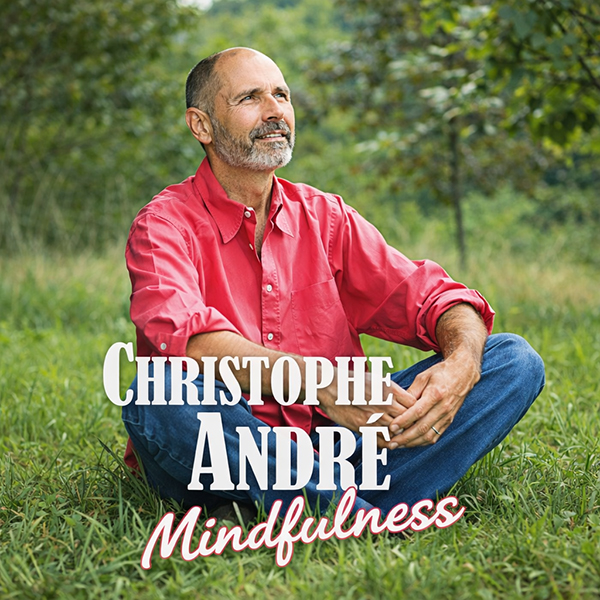
“Mindfulness helps us tell the urgent from the important.” The line is pure Christophe André: simple on the surface, quietly exact underneath. A psychiatrist and psychotherapist at Sainte-Anne Hospital since 1992, a widely read public voice on psychology, and the author of the award-winning Imperfect, Free and Happy, André was among the first in France to bring meditation into psychotherapy. What made his contribution distinctive was not a taste for fashion or mystique, but a determination to make an ancient practice usable in clinical life and intelligible to ordinary people.
That practical intelligence is part of what gave his work such reach. He did not speak about meditation as though it belonged only to monasteries, retreats or rarefied spiritual circles. He spoke about it in the language of fatigue, anxiety, discouragement, self-criticism and the small daily storms that wear people down. In doing so, he helped many readers and patients feel that meditation was not something exotic to admire from afar, but something sober, demanding and quietly helpful that could be woven into ordinary life.
That matters all the more in a culture that keeps us overstimulated, outward-facing and perpetually on call. André’s argument is not that meditation erases suffering or suppresses emotion, but that it can help us meet distress with more steadiness, clarity and proportion. In that sense, mindfulness is less an escape than a return: to the body, to the breath, to the present moment, and to a way of living that is not entirely dictated by noise, screens, pressure and appearances. It is this practical, grounded vision of meditation, now echoed far beyond specialist circles, that made Christophe André a genuine pioneer.
In short: why does Christophe André matter for meditation in psychotherapy?
Christophe André matters because he helped present mindfulness meditation as a serious, accessible support within psychotherapy and emotional regulation. His work made meditation less exotic and more practical for people dealing with stress, rumination and attention.
- Mindfulness trains attention toward present experience.
- It can support emotional awareness without replacing therapy.
- Its value depends on guidance, context and regular practice.
- Clear limits are important in any mental-health discussion.
For a short guided reset, try the free Mental Reset Session. For research context, read Meditation and the Brain.
There is also something quietly reassuring in the restraint of his message. He does not promise transformation overnight, nor does he flatter the modern appetite for instant solutions. What he offers is more modest and, for that very reason, more trustworthy: a disciplined way of paying attention, of loosening the grip of automatic reactions, and of recovering a little inner room in lives that often feel overcrowded.
How Christophe André Helped Make Mindfulness a Therapeutic Practice
A psychiatrist who brought meditation into everyday care
“Mindfulness helps us distinguish between what is urgent and what is important.” That clear, grounded insight captures Christophe André rather well. A psychiatrist and psychotherapist, he has become one of France’s best-known voices on wellbeing and meditation, not only through his books and lectures, but also through his clinical work. He joined Sainte-Anne Hospital in 1992 and continues to work there part-time, while also teaching, speaking and writing for a wide readership. His book Imparfaits, libres et heureux received the Prix Psychologies-Fnac in 2007, confirming the reach of an author able to make psychological ideas genuinely accessible.

Christophe André was also among the first in France to introduce meditation into psychotherapy. That matters, because he helped move meditation away from the vague mystical image it often carried in the public imagination and towards something practical, usable and clinically relevant. In his view, meditative practice responds to real deficiencies in modern life: a lack of calm, rest, inner peace and space to breathe. In a society so often organised around appearances, constant stimulation and pressures that pull us away from ourselves, mindfulness offers another rhythm. Like Matthieu Ricard, André invites us into a form of non-action through mindfulness meditation, a practice now finding its place in care homes, hospitals, schools and even nurseries.
For him, this ancient discipline can help relieve depression, burnout and emotional exhaustion, while gently bringing us back to what is essential.
What is striking in his trajectory is the way he held together two worlds that are often kept apart: rigorous psychiatry on one side, contemplative practice on the other. He did not treat them as enemies. Instead, he showed that meditation could sit alongside established therapeutic approaches without losing seriousness or depth. That bridge-building role helped change the tone of the conversation in France. Meditation no longer had to be defended as a curiosity from elsewhere; it could be understood as a legitimate support within care, especially for people struggling with anxiety, recurrent low mood or chronic inner agitation.
His influence also lies in the fact that he addressed the general public without talking down to them. Many clinicians know their field deeply but cannot translate it into words that people can actually live by. André has that rarer gift. He writes and speaks in a way that makes readers feel accompanied rather than instructed, which is one reason his work has travelled so far beyond hospital walls.
- Sainte-Anne Hospital since 1992
- Prix Psychologies-Fnac 2007 for Imparfaits, libres et heureux
- One of the early French clinicians to integrate meditation into psychotherapy
What André means by meditating well
André is careful not to present meditation as a instant solution. As he reminds us, its purpose “is not to suppress suffering or erase emotions, but to help us manage them, understand them and temper them”. That nuance is central to his approach. As one of the leading figures in cognitive behavioural therapy in France, and as the head of a unit specialising in anxiety disorders and phobias, he speaks from clinical experience rather than fashion. To meditate well, he says, is to become present to the moment, to suspend intention and action for a time, and to welcome what is already there.
The practice begins simply: with the breath, then sounds, then external objects that can support attention. “Each time we return to the body, we return to the present. Each time we are whole, we are in the present and in the true.”
That is why his advice remains so approachable. He encourages mindfulness not only in formal sitting practice but also in action, through regular pauses taken without outside interference, so that we can return once again to the breath, the body and the present moment. He also insists on changes in lifestyle, especially around the intensive use of screens: iPads, smartphones, television, computers and video games all compete for our attention and make inner stillness harder to find. Beneath this lies one of his most useful distinctions: learning to separate urgency from importance, and observation from immediate reaction. Our culture leaves little empty space and rarely teaches us how to savour the present.
André’s work offers a quieter alternative, one that is simple, concrete and within reach of almost anyone, including readers discovering mindfulness meditation for the first time.
There is a great deal of wisdom in that simplicity. To meditate well, in André’s sense, is not to produce a special state or to become impressively serene. It is often much less glamorous than that. It may mean noticing restlessness without obeying it, feeling sadness without immediately fleeing from it, or recognising that the mind has wandered and gently beginning again. This repeated return is not a failure of practice; it is the practice. In a culture obsessed with performance, that is a quietly radical lesson.
His emphasis on the body is equally important. Many people live almost entirely in commentary, anticipation and mental noise. The body, by contrast, does not speculate. It breathes, tightens, softens, tires, settles. Returning attention to bodily sensation can therefore interrupt spirals of rumination and bring a person back to something more immediate and more honest. André’s way of teaching mindfulness honours that humble truth: before we can think differently, we often need to arrive where we actually are.
- Return attention to the breath
- Use sounds or simple objects to steady focus
- Take regular pauses to come back to the body and the present
Meditation as a Response to Overload and a Way into Christophe André’s Work
Stepping back from noise, urgency and false needs
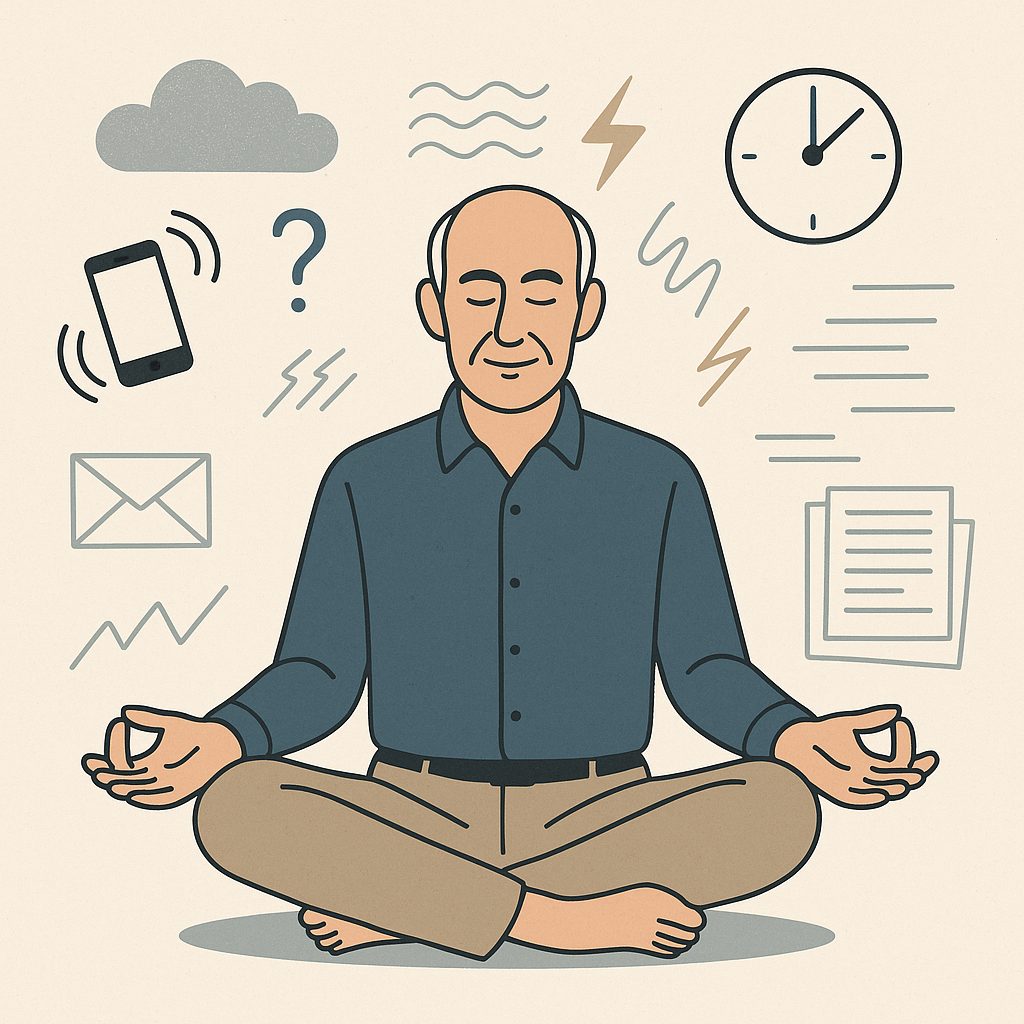
For Christophe André, one of the quiet violences of modern life is this constant flood of trivial information. It pulls us away from what matters and leaves us thinking not from what is essential, but from false signals, old regrets, passing desires, artifice and pretence. His answer to stress and anxiety does not lie in adding more stimulation, more performance or more advice. It begins, rather, with less: less agitation, less distraction, less compulsion. Through meditation exercises centred on bodily awareness, he invites us towards another way of living, one that is calmer, more grounded and more faithful to what we actually feel.
Related offer
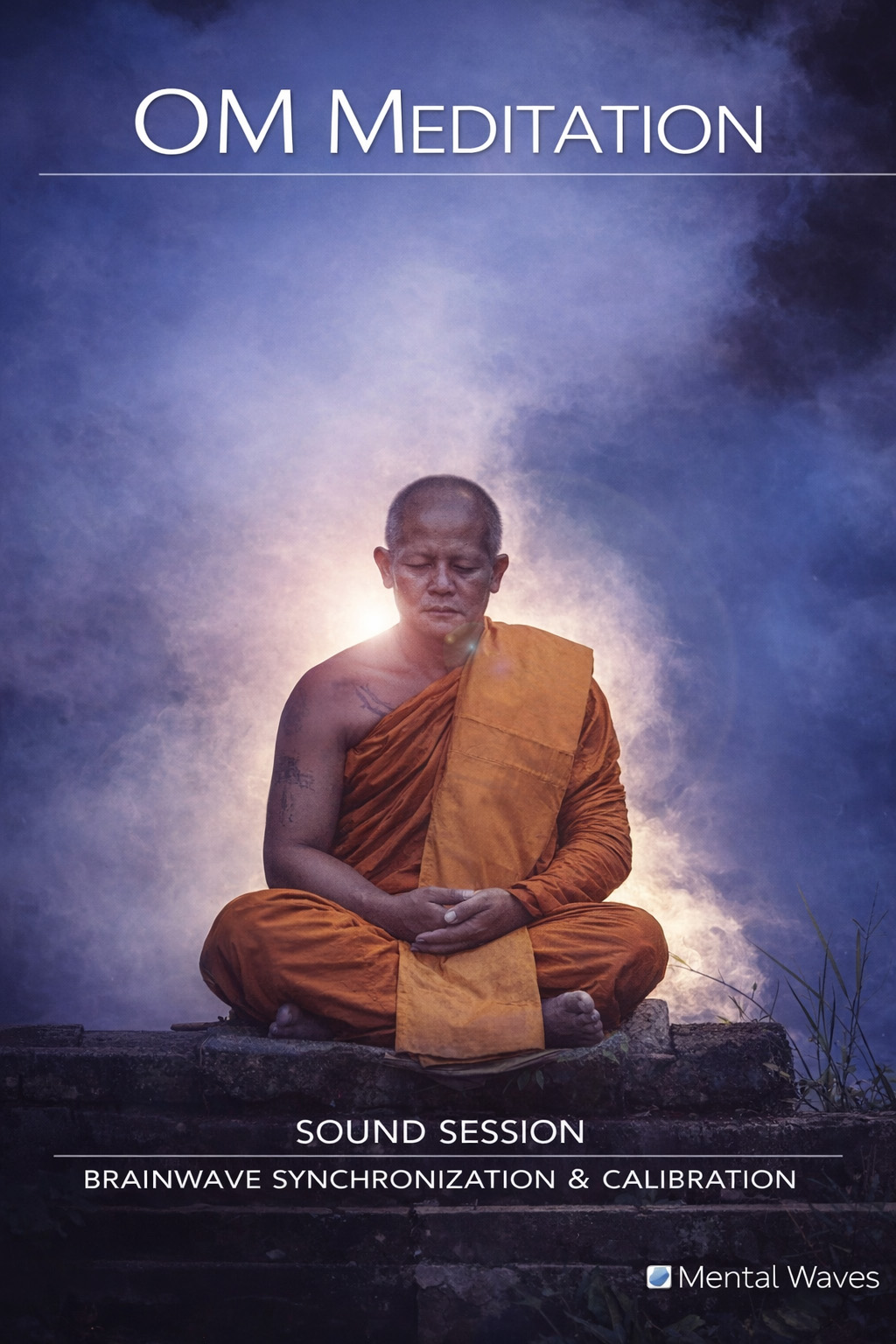
OM Meditation
This music is based on the particular frequency of the sacred chant OM. Listening to this program, the term...
View productThat outlook is reflected in his own rhythm of life. André now works part-time, two days a week, choosing the slowness, calm and solitude that writing requires, while also keeping time for teaching and conferences. This is not a withdrawal from the world, but a deliberate rebalancing. It also helps answer the familiar caricature of meditation as some fashionable New Age indulgence for the privileged. In his view, and in his clinical work with anxiety and depressive disorders, especially in preventing relapse, mindfulness meditation simply helps us feel better. Its benefits are now increasingly supported by neuroscientific research, including studies carried out by Western researchers with Buddhist monks who agreed to take part in brain-based experiments.
What André understands very well is that overload is not only a matter of schedule. It is also a matter of inner posture. A person can be outwardly still and inwardly harried, constantly pulled by unfinished thoughts, imagined obligations and the pressure to respond at once. Mindfulness does not magically remove these pressures, but it can alter our relationship to them. It creates a small but decisive gap between stimulus and reaction. In that gap, one may breathe, observe, and perhaps choose more wisely.
This is why his work speaks so directly to contemporary fatigue. Many people are not merely busy; they are saturated. They no longer know what genuine rest feels like because even their pauses are filled with scrolling, checking, comparing and anticipating. André’s insistence on regular moments of non-distraction may sound modest, yet it touches something fundamental. Without such moments, the self becomes porous to every demand. With them, a person may begin to recover discernment, and with discernment comes a different quality of freedom.
- less mental noise
- more attention to the body
- a clearer sense of what truly matters
Which Christophe André book should you choose?
If you want to begin reading Christophe André, the best choice depends largely on what you need at this moment in your life. At a time when difficulties with self-esteem are becoming ever more widespread, his books offer several possible entry points: Les États d'âme : Un apprentissage de la sérénité, La pleine conscience, une méthode pour vivre mieux, Imparfaits, libres et heureux, pratiques de l'estime de soi, the bestselling Méditer, jour après jour, as well as 3 minutes à méditer and Sérénité – Collector.
The old Chinese proverb about there being 10,000 monks and 10,000 religions applies here too: there is no single perfect book for everyone, only the one that speaks most directly to your present need.
That said, Trois Amis en quête de sagesse, co-written with Alexandre Jollien and Matthieu Ricard, remains a particularly generous and uplifting recommendation. It has that rare quality of nourishing both the eye and the inner life. The spirit behind André’s work is perhaps captured by the quotation from Kierkegaard: “The door to happiness does not open inwards.” You cannot force it by charging at it. It opens outwards. A Chinese sage made a similar point in another way: truth is found in meditation, not by endlessly rummaging through musty books; the one who wants to see the moon looks at the sky, not at the pond.
Reflection may sharpen conscious awareness, but meditation, André suggests, allows us to approach something deeper and less immediately visible within ourselves.
Choosing among his books is therefore less a matter of literary ranking than of inner timing. Some readers arrive at André through suffering that has become too heavy to carry in the old way. Others come through curiosity, through burnout, through a vague sense of living too fast, or through the wish to stop being at war with themselves. His bibliography is broad enough to meet these different thresholds. One book may offer practical exercises, another a more reflective companionship, another a way of naming what has long remained blurred.
That is part of his enduring appeal: he writes for people as they are, not as they ought to be. There is no need to be already calm, already wise or already disciplined in order to begin. One can start tired, sceptical, scattered or wounded. In fact, that is often where the real reading begins.
- For self-esteem: Imparfaits, libres et heureux
- For mindfulness practice: Méditer, jour après jour or 3 minutes à méditer
- For a broader spiritual conversation: Trois Amis en quête de sagesse
How Mindfulness Fits Into Psychological Care
Mindfulness is not a magic shortcut. In psychotherapy, its role is usually more precise: helping people notice thoughts, emotions and body sensations with less automatic reaction. That can create a small but important space between stimulus and response.
This is why Christophe André's contribution matters. By explaining meditation in ordinary language, he helped many readers understand that meditation is not about becoming empty or detached, but about learning to relate differently to inner experience.
There is also an important distinction between reading about mindfulness and being supported in practice. A book, audio session or short exercise can help someone begin, but people facing intense anxiety, depression or trauma may need a safer therapeutic setting. Good practice respects the person's nervous system rather than pushing them to sit with everything at once.
Related offer
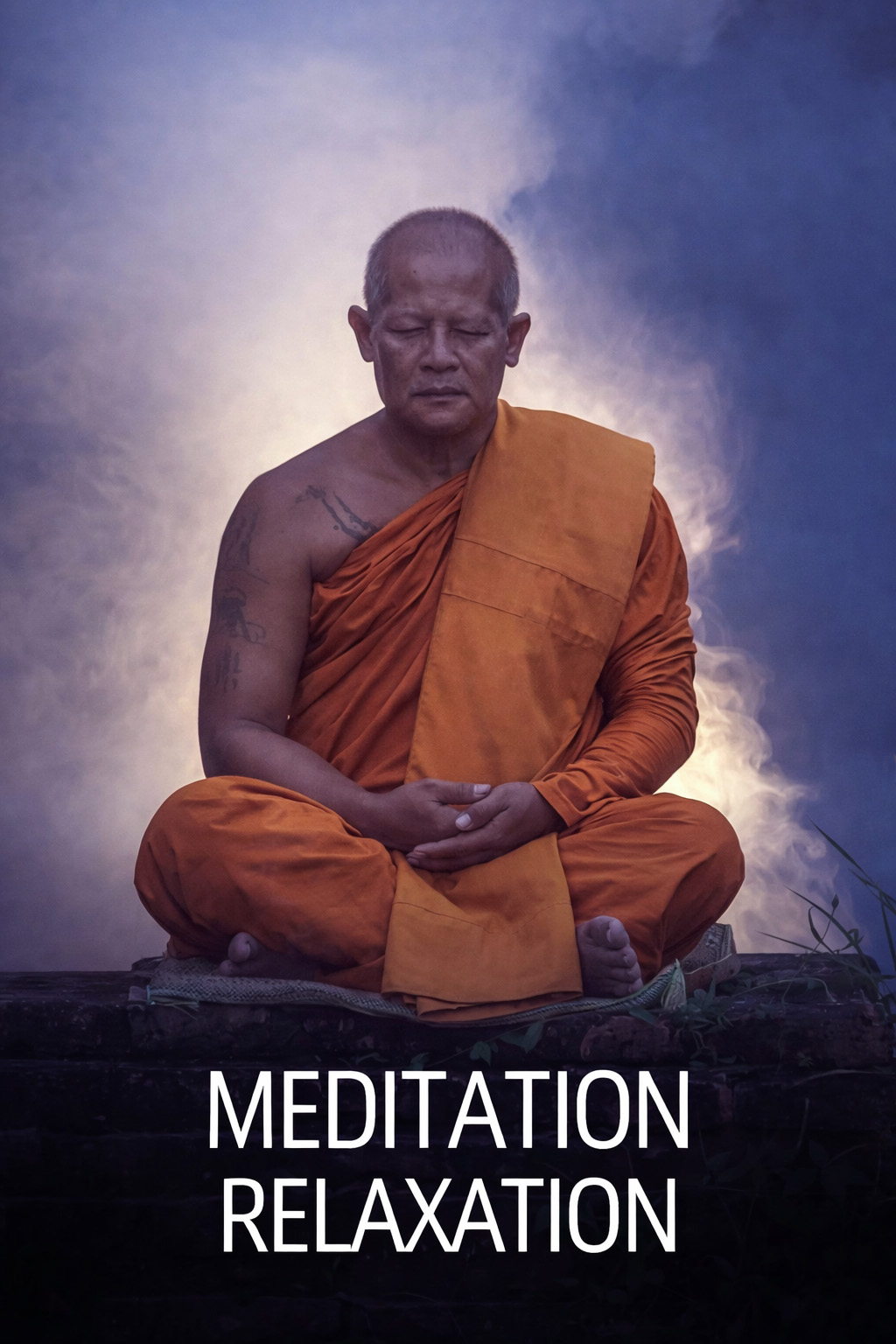
Meditation - Relaxation set
All the Mental Waves® know-how in a single pack for quick and easy access to meditation and...
View productIn that sense, mindfulness in psychotherapy is not about heroic endurance. It is about gradual contact with experience, supported by pacing, language and care. The aim is to build awareness without adding pressure. Short, repeated practice is usually more realistic than rare intense sessions, especially during stressful periods or emotional overload. The practice should feel usable in ordinary life.
The Mental Waves Mindfulness-in-Care Framework
The Mental Waves frame is to use mindfulness as a support for attention and emotional literacy, while keeping clinical boundaries clear. Personal practice and professional care can complement each other, but they do not have the same role.
- Notice: observe thoughts, feelings and sensations without rushing.
- Name: identify what is present with simple words.
- Regulate: return to breath, body and present cues.
- Support: seek qualified help when distress is persistent or severe.
For stress-focused practice, continue with How to Free Yourself from Stress. For a rhythmic breathing method, read Cardiac Coherence.
Editorial note from Mental Waves
This article is educational. Meditation can support awareness and regulation, but persistent anxiety, depression, trauma symptoms or crisis situations require qualified professional support.
Conclusion
What Christophe André changed, in the end, was not simply the image of meditation but its place in care. He helped move it away from cliché and mystique without stripping it of depth, showing that mindfulness could sit alongside psychotherapy as a practical, disciplined way of meeting anxiety, low mood and inner agitation. Not to erase suffering, but to relate to it differently: with more presence, more discernment, and less automatic reaction.
That is why his work still resonates. In a culture that confuses urgency with importance and stimulation with meaning, his approach brings people back to something quieter and more exacting: the breath, the body, attention, the present moment. There is no miracle promised here, and that restraint is part of its value. What André offers is more solid than a fashionable remedy: a way of living that asks for less performance, more lucidity, and perhaps a little more kindness towards oneself.
His importance lies not only in what he taught, but in the tone with which he taught it. Calm without vagueness, accessible without simplification, serious without heaviness: these qualities helped meditation find a credible place in therapeutic culture. For many people, he made it possible to approach mindfulness without embarrassment, without grandiosity and without illusion.
And perhaps that is the deepest reason his work continues to matter. He reminds us that inner life does not have to be conquered by force. Sometimes it asks for another gesture altogether: to pause, to notice, to breathe, to return. In an age that rewards acceleration, that invitation remains both simple and quietly profound.
{
"@context": "https://schema.org",
"@type": "FAQPage",
"mainEntity": [
{
"@type": "Question",
"name": "Who is Christophe André?",
"acceptedAnswer": {
"@type": "Answer",
"text": "Christophe André is a French psychiatrist and author known for bringing mindfulness meditation to a wider public."
}
},
{
"@type": "Question",
"name": "Why link meditation and psychotherapy?",
"acceptedAnswer": {
"@type": "Answer",
"text": "Meditation can train attention and emotional awareness, which can support some therapeutic processes."
}
},
{
"@type": "Question",
"name": "Is meditation the same as therapy?",
"acceptedAnswer": {
"@type": "Answer",
"text": "No. Meditation can support wellbeing, but therapy involves a structured relationship with a qualified professional."
}
},
{
"@type": "Question",
"name": "What is mindfulness?",
"acceptedAnswer": {
"@type": "Answer",
"text": "Mindfulness is the practice of paying attention to present experience with openness and less automatic judgement."
}
},
{
"@type": "Question",
"name": "Can mindfulness help with stress?",
"acceptedAnswer": {
"@type": "Answer",
"text": "It may help some people notice stress reactions earlier and respond with more steadiness."
}
},
{
"@type": "Question",
"name": "Does meditation work for everyone?",
"acceptedAnswer": {
"@type": "Answer",
"text": "No. Some people need adaptation, guidance or another form of support depending on their situation."
}
},
{
"@type": "Question",
"name": "How can someone start?",
"acceptedAnswer": {
"@type": "Answer",
"text": "Begin with short, gentle sessions focused on breath, body sensation or simple present-moment awareness."
}
},
{
"@type": "Question",
"name": "When should someone seek professional help?",
"acceptedAnswer": {
"@type": "Answer",
"text": "Persistent distress, panic, depression, trauma symptoms or thoughts of self-harm need qualified support promptly."
}
},
{
"@type": "Question",
"name": "What is the main takeaway?",
"acceptedAnswer": {
"@type": "Answer",
"text": "Christophe André helped make mindfulness understandable as a practical support for attention, emotion and care."
}
}
]
}
Frequently Asked Questions About Christophe André and Meditation
Who is Christophe André?
Christophe André is a French psychiatrist and author known for bringing mindfulness meditation to a wider public.
Why link meditation and psychotherapy?
Meditation can train attention and emotional awareness, which can support some therapeutic processes.
Is meditation the same as therapy?
No. Meditation can support wellbeing, but therapy involves a structured relationship with a qualified professional.
What is mindfulness?
Mindfulness is the practice of paying attention to present experience with openness and less automatic judgement.
Can mindfulness help with stress?
It may help some people notice stress reactions earlier and respond with more steadiness.
Does meditation work for everyone?
No. Some people need adaptation, guidance or another form of support depending on their situation.
How can someone start?
Begin with short, gentle sessions focused on breath, body sensation or simple present-moment awareness.
When should someone seek professional help?
Persistent distress, panic, depression, trauma symptoms or thoughts of self-harm need qualified support promptly.
What is the main takeaway?
Christophe André helped make mindfulness understandable as a practical support for attention, emotion and care.