en
enVotre panier est vide.


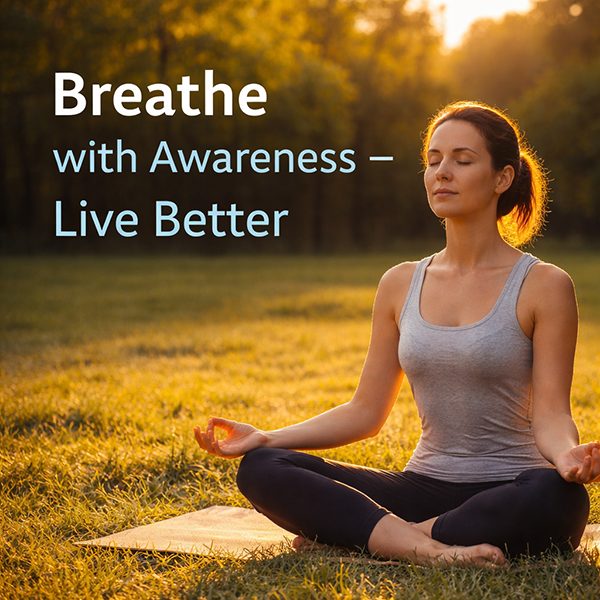
For most of us, breathing happens without a second thought. It begins with our first moments of life and continues, quietly and faithfully, in the background. Yet there is a real difference between simply breathing and knowing how to breathe well. Far from being an instinct we naturally master, a balanced, conscious breath is something that can be learned — and, once learned, it can support sleep, ease certain physical tensions, calm pain, encourage abdominal tone and help soften stress, fear and panic before they take hold of the body and mind.
That is the spirit behind the art of breath described by Alain Marillac in Dynamics of Breath: not a fashionable wellness trick, but a daily practice of better living. His point is a simple one, and a striking one — many of us live on shallow breathing, even though a fuller, more attentive way of breathing can have effects throughout the whole body as well as on our mental state. In that sense, breath becomes more than a bodily function. It is a bridge between the physical and the inner life, one that traditions such as yoga and qigong have long taken seriously. And of course, where breathing difficulties are concerned, proper medical advice remains essential.
Breathing Well Is a Skill, Not Just a Reflex
Why ordinary breathing is not always enough
For most of us, breathing feels so natural that we barely notice it. We draw air in and let it out from our first day of life, without thinking about it. Yet breathing and knowing how to breathe are not quite the same thing. A sound, well-regulated breath is not simply automatic or innate; it can be learned, refined and used as a genuine support for better living. That is the whole point of the art of breathing: not to turn a basic function into something complicated, but to recover a fuller, more effective way of using it.
In short: which breathing techniques help you live better?
The most useful breathing techniques are the ones that make the body feel safer, steadier and more present. Slow nasal breathing, longer exhalations, coherent breathing and mindful pauses can all help the nervous system shift out of constant urgency.
- Slow breathing helps reduce the pace of internal alarm.
- Longer exhalations can make it easier to release tension.
- Coherent breathing gives the heart and breath a regular rhythm.
- Mindful breathing turns attention back toward the present moment.
For a short guided reset, try the free Mental Reset Session. For a related practice, read Breathing for a Positive Mindset.
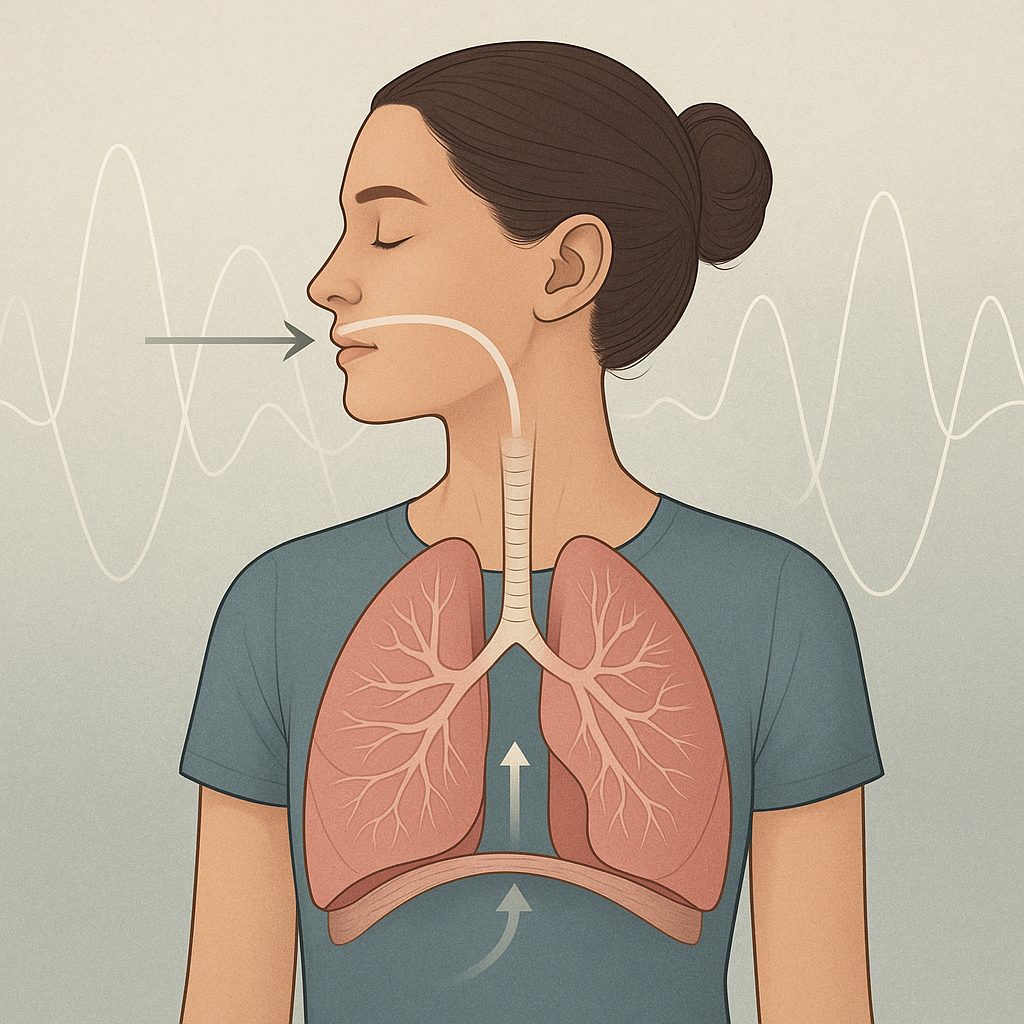
This work on the breath can have very concrete effects. The original text links it to the prevention or relief of a wide range of difficulties: sleep problems, lower back pain, certain pulmonary dysfunctions, sluggish digestion, weak abdominal tone, sinus cleansing, pain relief and even what it calls a kind of “gymnastics” for the nostrils. Just as importantly, it may help soften stress, fear and panic, which can disturb us on sensory, motor and cognitive levels. As Alain Marillac writes in Dynamique du souffle, we often settle for shallow breathing, even though learning to breathe properly could improve life “in remarkable ways”.
He presents conscious daily breathing as a practical technique for living better, with benefits felt throughout the body as well as in the mind. That said, one point remains essential: if you have genuine breathing difficulties, the first step is not an exercise routine but a medical assessment.
- better oxygen circulation
- more neuromuscular relaxation
- support for stress regulation
- broader effects on body and mind
From awareness to a fuller, deeper breath
Our daily lives shape the way we breathe, often without our noticing. Before any formal practice, the first step is simply to become aware of your own breathing. From there, the aim is to breathe more fully, because this habit helps increase the circulation of oxygen through the body and creates a regular massage of the abdominal organs and solar plexus, encouraging neuromuscular relaxation. This is why disciplines such as Qigong and yoga place so much emphasis on abdominal breathing. The same priority appears elsewhere too: in tai chi chuan, walking and hiking, sport, singing lessons, theatre and public speaking.
Whether you are an actor, teacher, lawyer, politician or trainer, knowing how to breathe is not a luxury but a foundation.
Experts therefore recommend getting into the habit of taking deep, voluntary inhalations and exhalations for two or three minutes at least twice a day. The pattern described is simple: inhale through the nose so that the belly expands before the ribcage, then exhale deeply so the breath rises from the lower body upwards and the air is properly released. There are, of course, many breathing exercises depending on the need. But the underlying principle remains the same: a fuller breath supports both physical ease and mental steadiness, and begins with attention.
- notice your natural breathing first
- inhale through the nose
- let the belly expand before the chest
- exhale deeply and completely
How to train the breath for calm, strength and balance
Learning to breathe fully, not just automatically
Most of us breathe without thinking, from the first day of life onwards. Yet, as Alain Marillac writes in Dynamique du souffle, there is a real difference between breathing and knowing how to breathe well. A sound breathing pattern is not simply automatic or innate; it can be learned, refined and used as a practical art of living. Marillac argues that we too often settle for shallow breathing, even though a more accurate, conscious breath can improve daily life in remarkably concrete ways.
Depending on how it is practised, this work on the breath may help prevent or ease certain problems, from sleep disturbances and lower back pain to pulmonary dysfunction, digestive sluggishness, abdominal weakness, sinus congestion and stress-related states such as fear or panic, which can in turn disturb sensory, motor and cognitive balance. That said, if you are experiencing genuine breathing difficulties, medical advice remains essential.
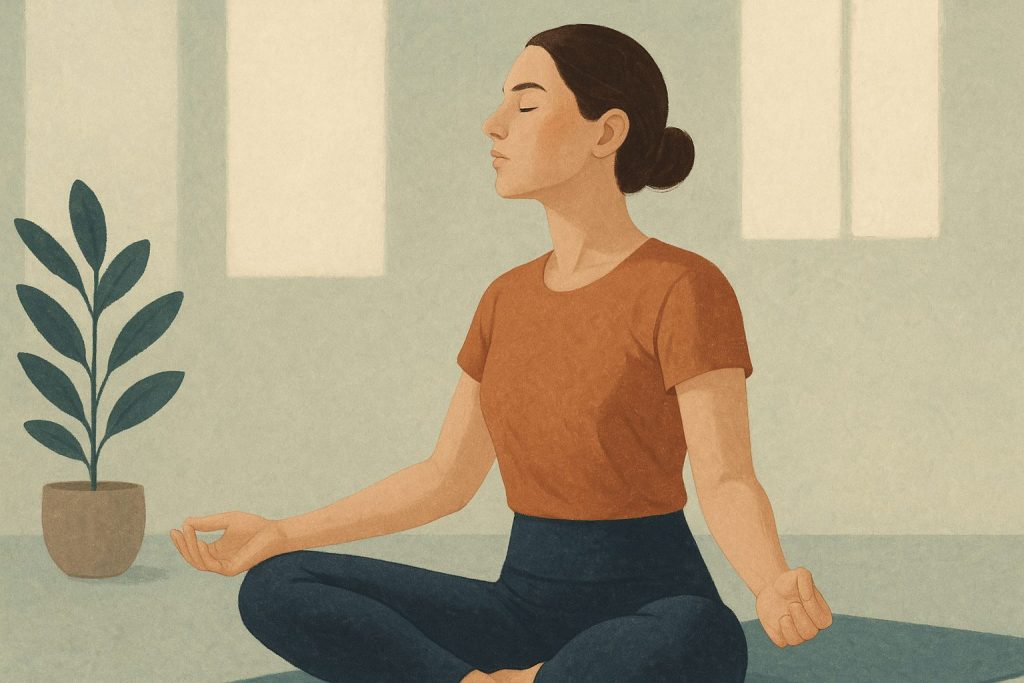
Before any technique comes the simplest step, and often the hardest: becoming aware of your own breathing. Our routines, tensions and the pace of modern life all shape the way we breathe, usually without our noticing. From there, many traditions encourage a fuller breath, because breathing “deeply” increases oxygen circulation and creates a regular massage of the abdominal organs and solar plexus, which supports neuromuscular relaxation. This is why abdominal breathing is central in qigong and yoga, and why breath training matters just as much in tai chi chuan, walking, sport, singing, theatre and public speaking. Whether you are an actor, teacher, lawyer, politician or trainer, knowing how to breathe is not a luxury; it is a priority.
- Start by observing your natural breath without trying to force it.
- Favour nasal inhalation, allowing the belly to rise before the chest.
- Use a long, complete exhalation to release air fully and soften tension.
From vocal power to inner balance
Experts often recommend building a simple habit: two or three minutes of voluntary deep inhalations and exhalations at least twice a day. The classic pattern is clear enough to practise: inhale through the nose so that the abdomen expands before the ribcage, then exhale deeply, letting the breath travel from low to high so the air is properly released. There are, of course, many breathing exercises for different needs. Raymonde Vitet, the renowned singing teacher and author of Trouvez votre voix !, goes so far as to say that “the art of singing is the art of breathing”.
For her, singing means managing one’s air, and speaking without exhaustion requires us to rediscover the newborn’s primal cry: the instinctive deep inhalation, the lowered diaphragm, the powerful sound produced without damaging the vocal cords. Like the great teacher Paule Metge-Sandra, Vitet advocates a form of respiratory training based on the deep physiological breathing we all possess at birth. Marlène Turcot, a disciple of Metge-Sandra, adds that spontaneous exhalation helps develop the deep muscles of the back and abdomen — including the transverse and oblique muscles — allowing the diaphragm to become the true motor of breathing.
She also notes that careful attention to the breath, and especially to the length of the exhalation, can be deeply calming in moments of pressure or strain.
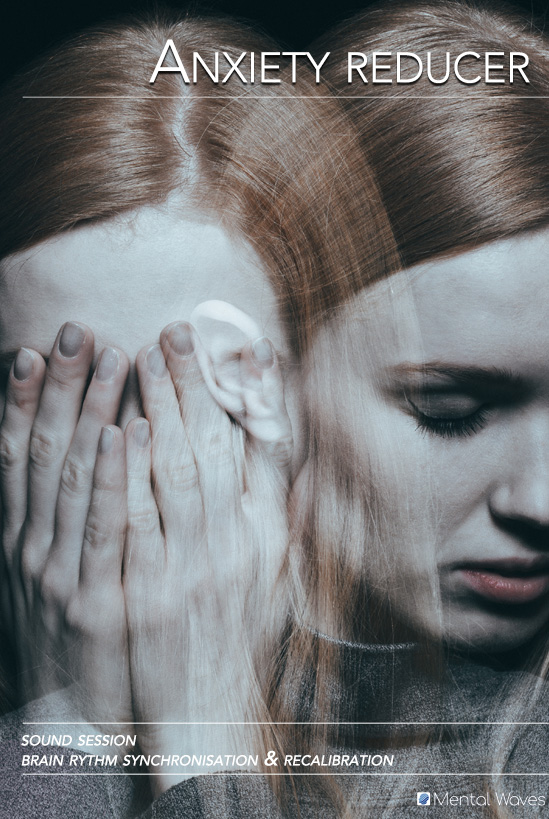
Related offer
Anxiety reducer
This session uses Alpha and Beta wave stimulation to relax, alleviate...
View productThat idea reaches beyond voice work. We are all born with a unique voice, yet it begins to change around the age of six or seven, through natural growth but also emotional tension. Recovering something of that original breath pattern — deep inhalation, expanded belly, descending diaphragm — can bring both physical and psychological comfort. Marillac even describes it as a tool for self-discovery, perhaps even a path towards spirituality, since in many belief systems breath is inseparable from the very idea of life or spirit. Its benefits are practical too: good breathing can make childbirth easier, not only for the mother but also for the doctors, midwives, nurses and nursery assistants around her, because it helps reduce stress.
In an earlier article on cardiac coherence, Professor Claire Mounier-Vehier, President of the French Federation of Cardiology and head of vascular medicine and hypertension at Lille University Hospital, noted that the beneficial effects of voluntary breathing on stress, blood pressure and heart rate can last from three to six hours. A simple exercise is to lie on your back with your arms by your sides, let go, and focus on the movement of the breath. Count the length of your exhalation, then your inhalation, aiming to make them equal, with a slight pause between the two. Ten to twenty breaths are enough to begin creating relaxation and a return to the present moment.
Yoga also recommends alternate nostril breathing to rebalance our energies, since we often breathe more through one nostril than the other without realising it. The nasal cycle, among other things, broadens our access to smells and can help us feel better. In practice, you simply breathe through one nostril and then the other, gently closing each side in turn. As Futura-Sciences explains, the aim is to balance the energies said to circulate through the two channels linked to the nostrils: in yogic thought, the left side is associated with the feminine, coolness and calm, while the right is linked to the masculine, warmth and activity.
Whatever one makes of that symbolism, the deeper point remains: a well-integrated breath becomes a bridge between body and mind, between the voluntary and the involuntary, between the conscious and the unconscious. Balzac captured this beautifully: “Le regard, la voix, la respiration, la démarche sont identiques ; mais comme il n'a pas été donné à l'homme de pouvoir veiller à la fois sur ces quatre expressions simultanées de sa pensée, cherchez celle qui dit vrai, vous connaîtrez l'homme tout entier.”
- Practise deep breathing for two or three minutes, twice a day.
- Match the length of the inhale and exhale, with a brief pause between them.
- Try 10 to 20 breaths lying on your back to settle the body and mind.
- Use alternate nostril breathing to explore balance and steadiness.
Simple breathing practices that bring you back to yourself
A short routine to calm the body and steady the mind
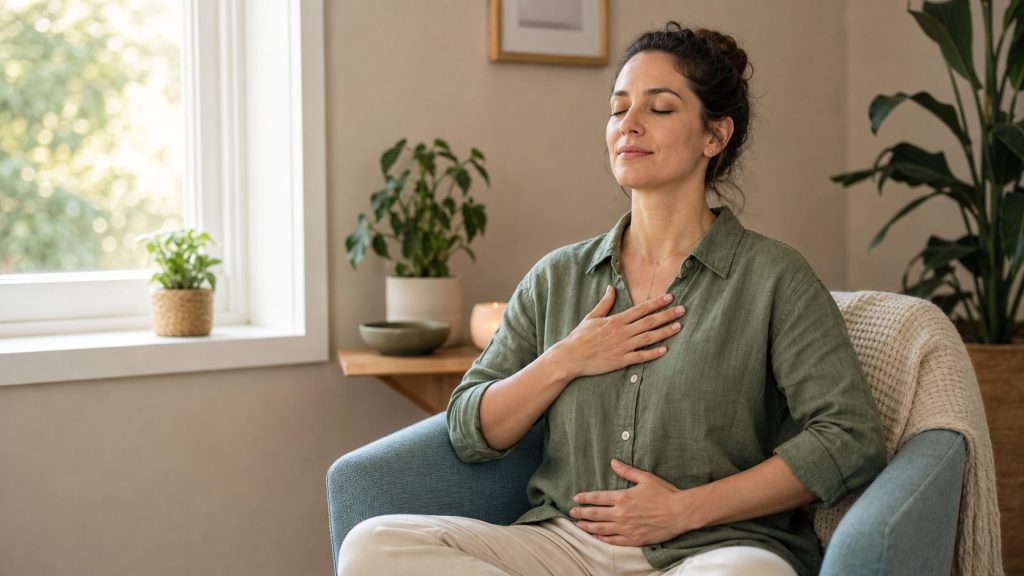
The advice given by many specialists is disarmingly simple: get into the habit of taking a few deep, deliberate breaths for two or three minutes, at least twice a day. The movement matters. Breathe in through the nose, letting the belly expand before the ribcage, then breathe out fully so that the breath rises from low to high and the air is properly released. There are, of course, many breathing exercises designed for different needs, but this basic pattern already does a great deal. It helps you return to the present moment, softens physical tension and begins to settle the nervous system.
A practical way to do this is to lie on your back with your arms resting alongside your body, then simply let go and place your attention on the breath. Notice the movements of the body. Mentally count the length of your exhalation — 4, 5, 6, 7 — and then the length of your inhalation. Ideally, the inhale and exhale should be of equal duration, with a slight pause between the two. Just 10 to 20 breaths can be enough to bring on a first sense of relaxation and a clearer feeling of being anchored in the here and now.
As always, if you are experiencing genuine breathing difficulties, the sensible first step is to consult your doctor for a proper assessment.
- Inhale through the nose
- Let the belly rise before the chest
- Match the length of the inhale and exhale
- Repeat for 10 to 20 breaths
Alternate nostril breathing and the deeper meaning of breath
One of the basic techniques in yoga is alternate nostril breathing, practised to rebalance our energies. Without realising it, most of us tend to breathe more through one nostril than the other. This nasal cycle helps widen our access to smells and can also influence how we feel. The method itself is straightforward: breathe alternately through one nostril and then the other, gently closing each side in turn. As Futura-Sciences explains, the aim is to balance the energies said to circulate through the two channels linked to the nostrils.
In yogic thought, the left side of the breath is associated with the feminine, coolness, peace and calm, while the right side is linked to the masculine, warmth and activity. If that cycle is out of balance, our inner equilibrium may feel unsettled too.
Beyond technique, well-integrated breathing leads to a finer knowledge of oneself. It forms a bridge between body and mind, and in a deeper sense between the conscious and the unconscious, because breathing belongs to both the voluntary and involuntary parts of our lives. That is why it can become more than a relaxation tool: it can also be a path towards self-discovery. Alain Marillac goes so far as to describe breath as an opening towards spirituality, noting that in many beliefs across the world, breath is a symbol of life and is often closely associated with spirit itself.
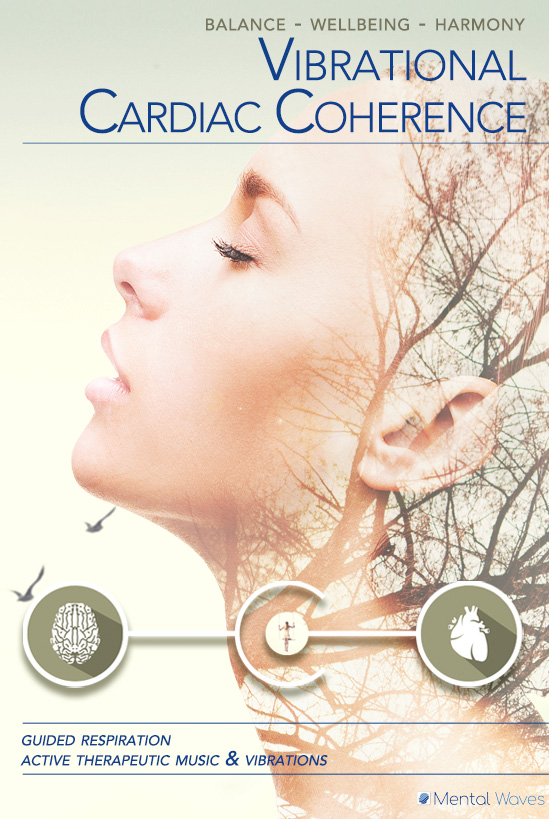
Related offer
Vibrational Cardiac Coherence
At last, an easy and enjoyable way to practice cardiac coherence without visual indicators, screens or stopwatches......
View productHonoré de Balzac captured something similar in his own way: “Le regard, la voix, la respiration, la démarche sont identiques ; mais comme il n'a pas été donné à l'homme de pouvoir veiller à la fois sur ces quatre expressions simultanées de sa pensée, cherchez celle qui dit vrai, vous connaîtrez l'homme tout entier.” In other words, breath does not merely sustain life; it quietly reveals how we are living it.
How to Practise Breathing Without Forcing the Body
Breathwork is most helpful when it stays gentle. The goal is not to control every breath or prove endurance. It is to give the body a clearer rhythm, especially when stress, fatigue or emotional overload has made breathing shallow.
- Start small: use two or three minutes rather than a demanding session.
- Stay comfortable: stop if dizziness, pressure or discomfort appears.
- Use rhythm: repeat a simple pattern until the body recognizes it.
- Return often: make breathing a daily cue, not a rare emergency tool.
The Mental Waves Breath Reset Framework
The Mental Waves frame is to use breathing as a bridge between body, attention and action. A calmer breath is not the whole solution, but it can make the next thought, word or choice less reactive.
- Notice: observe the current breath without judging it.
- Lengthen: make the exhale slightly slower than the inhale.
- Anchor: pair the breath with sound, posture or a hand on the chest.
- Act: return to one simple next step with more steadiness.
For a structured rhythm, continue with Cardiac Coherence. If stress is the main obstacle, read How to Free Yourself from Stress.
Editorial note from Mental Waves
This article is educational and practical. Breathing exercises can support relaxation and self-regulation, but breathing difficulty, chest pain, panic symptoms or medical concerns require appropriate professional care.
Conclusion
Perhaps that is the real lesson here: breathing is not merely a background function, but a practice that can be refined. When we give it attention, the effects are not only physical — on tension, fatigue or balance — but also mental and, for some, quietly spiritual. The breath sits at the meeting point of body and mind, which is why such simple exercises can sometimes bring such disproportionate relief.
There is, though, an important nuance in all this. Conscious breathing is not a instant solution, nor a substitute for medical advice when breathing becomes difficult. But as a daily discipline — through yoga, qigong, singing, walking, or a few minutes of deliberate inhalation and exhalation — it can help us recover something many of us have lost: a steadier relationship with ourselves. Sometimes, living better begins with something as modest and as profound as learning how to breathe again.
{
"@context": "https://schema.org",
"@type": "FAQPage",
"mainEntity": [
{
"@type": "Question",
"name": "What are breathing techniques?",
"acceptedAnswer": {
"@type": "Answer",
"text": "Breathing techniques are simple ways of changing breath rhythm, pace or attention to support calm, body awareness and emotional regulation."
}
},
{
"@type": "Question",
"name": "Which breathing technique is best for beginners?",
"acceptedAnswer": {
"@type": "Answer",
"text": "A gentle longer exhale is a good start: inhale comfortably, then let the exhale become a little slower without strain."
}
},
{
"@type": "Question",
"name": "What is coherent breathing?",
"acceptedAnswer": {
"@type": "Answer",
"text": "Coherent breathing uses a regular rhythm, often around five or six breaths per minute, to support a steadier state."
}
},
{
"@type": "Question",
"name": "Can breathing help with stress?",
"acceptedAnswer": {
"@type": "Answer",
"text": "It can help many people shift out of immediate tension by giving the nervous system a calmer rhythm to follow."
}
},
{
"@type": "Question",
"name": "How long should someone practise?",
"acceptedAnswer": {
"@type": "Answer",
"text": "Two to five minutes can be enough at first. Regular short practice is often more useful than rare long sessions."
}
},
{
"@type": "Question",
"name": "Can breathing exercises feel uncomfortable?",
"acceptedAnswer": {
"@type": "Answer",
"text": "Yes. If dizziness, pressure or anxiety increases, stop and return to natural breathing."
}
},
{
"@type": "Question",
"name": "Is breathwork medical care?",
"acceptedAnswer": {
"@type": "Answer",
"text": "No. It can support wellbeing, but symptoms such as chest pain or serious breathing difficulty need qualified care."
}
},
{
"@type": "Question",
"name": "How can breathing become a daily habit?",
"acceptedAnswer": {
"@type": "Answer",
"text": "Link it to existing moments such as waking, sitting at a desk, before a call or before sleep."
}
},
{
"@type": "Question",
"name": "What is the main takeaway?",
"acceptedAnswer": {
"@type": "Answer",
"text": "Breathing techniques work best when they are simple, comfortable and repeated often enough to become a reliable reset cue."
}
}
]
}
Frequently Asked Questions About Breathing Techniques
What are breathing techniques?
Breathing techniques are simple ways of changing breath rhythm, pace or attention to support calm, body awareness and emotional regulation.
Which breathing technique is best for beginners?
A gentle longer exhale is a good start: inhale comfortably, then let the exhale become a little slower without strain.
What is coherent breathing?
Coherent breathing uses a regular rhythm, often around five or six breaths per minute, to support a steadier state.
Can breathing help with stress?
It can help many people shift out of immediate tension by giving the nervous system a calmer rhythm to follow.
How long should someone practise?
Two to five minutes can be enough at first. Regular short practice is often more useful than rare long sessions.
Can breathing exercises feel uncomfortable?
Yes. If dizziness, pressure or anxiety increases, stop and return to natural breathing.
Is breathwork medical care?
No. It can support wellbeing, but symptoms such as chest pain or serious breathing difficulty need qualified care.
How can breathing become a daily habit?
Link it to existing moments such as waking, sitting at a desk, before a call or before sleep.
What is the main takeaway?
Breathing techniques work best when they are simple, comfortable and repeated often enough to become a reliable reset cue.