en
enVotre panier est vide.


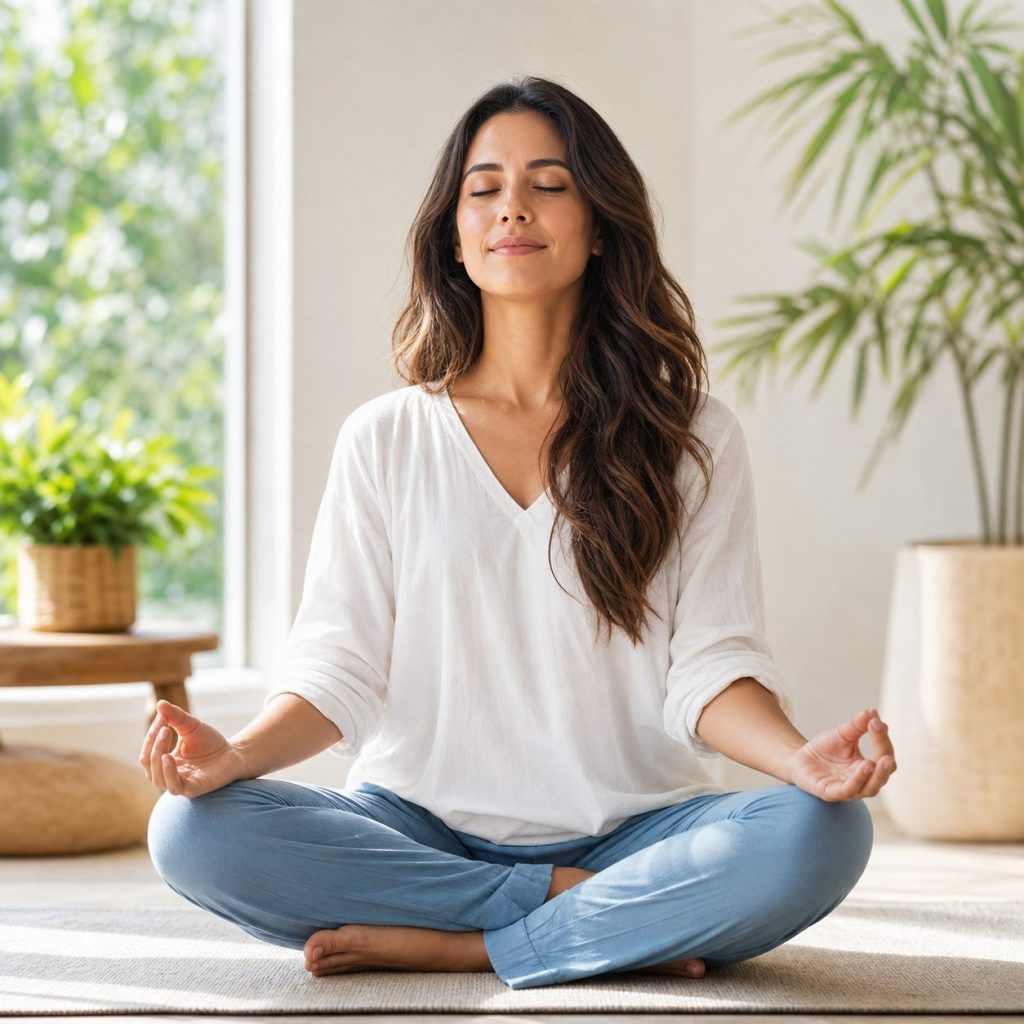
If you are looking for more calm, steadier energy, a clearer mind and a greater sense of fulfilment in daily life, meditation is often one of the first practices people turn to. It is sometimes approached as a method of relaxation, sometimes as a spiritual discipline, and often as a meeting point between the two. What gives it lasting appeal is that its effects are not limited to a passing feeling of rest: a well-guided meditation session may bring the body and mind into a state of release that feels deeper than ordinary relaxation.
In short: benefits of meditation sessions
The benefits of meditation sessions become clearer when meditation is treated as repeated training in attention, regulation and inner steadiness.
Use this article as a practical map: keep what helps attention become steadier, question anything that sounds absolute, and connect the idea back to repeatable daily practice.
That depth, however, rarely happens by accident. Reaching a genuinely settled state of attention and physical ease usually requires some preparation, especially when stress has already built up in the nervous system. In that context, supportive methods such as Mental Waves sound therapy may help create conditions that are more favourable to meditation, by encouraging a mental state associated with relaxation and making the practice feel more accessible from the outset.
For many people, the appeal of meditation lies precisely in this combination of simplicity and depth. The practice itself may look modest from the outside, often involving stillness, breath awareness or sustained attention, yet its effects can extend into perception, emotional regulation and the felt quality of consciousness. This helps explain why meditation continues to be studied not only as a wellbeing practice, but also as a disciplined way of observing how the mind behaves under different conditions.
How Meditation Helps the Nervous System Settle
A practice that both protects and releases
One of the most valued benefits of meditation is its double action on stress. On the one hand, it may help limit the impact of stress on the nervous system by creating a calmer internal state and reducing mental overactivation. On the other, it may also help the body let go of tension that has already built up over time. During a meditation session, these two processes can unfold together: the mind becomes quieter, the body softens, and a more stable sense of ease begins to emerge.
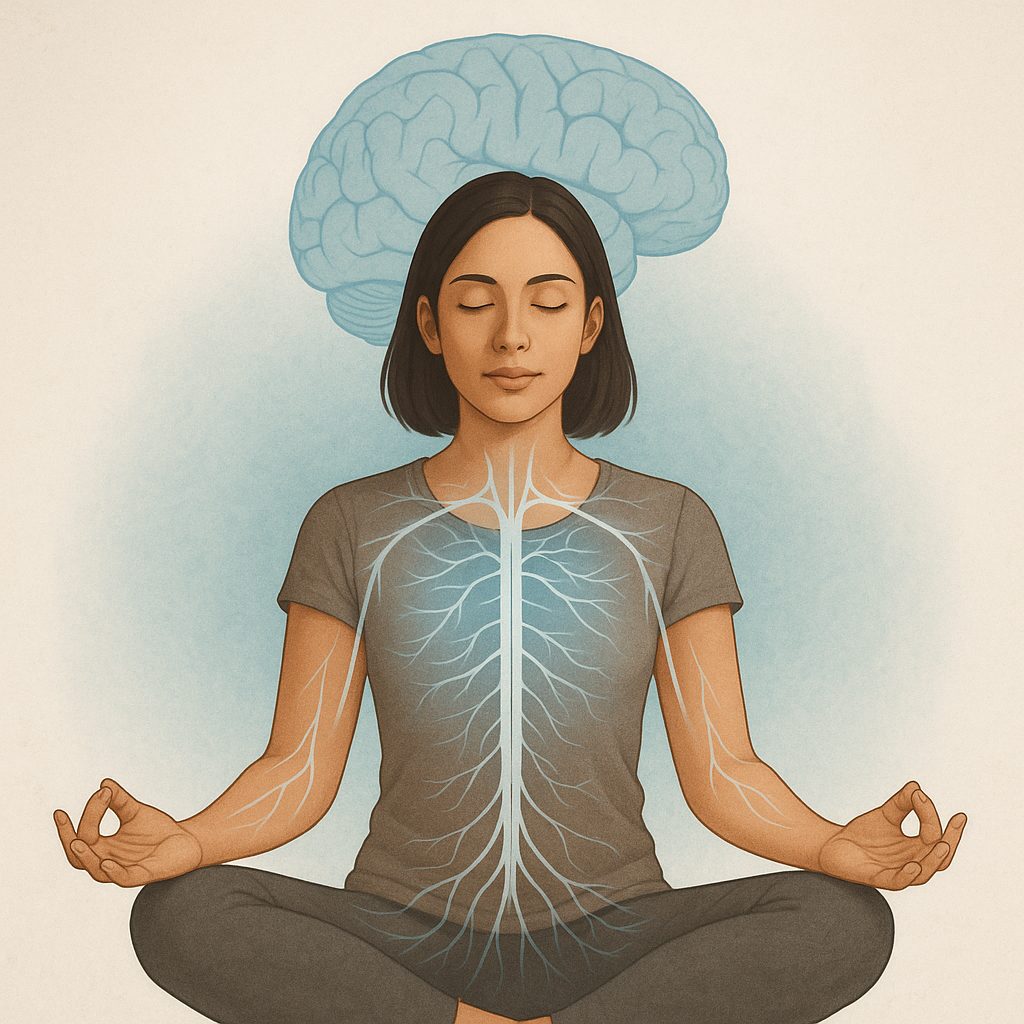
This is why many people describe meditation as more than simple relaxation. When the practice goes well, it can leave behind a tangible feeling of wellbeing, calm and fullness. Some regular practitioners even speak of this state as deeply compelling, because the contrast with everyday agitation can feel so marked. Without turning that comparison into a medical claim, it helps explain why the soothing effects of meditation are sometimes described in very strong terms.
- It may help reduce the entry of new stress into the system.
- It may help release stress that is already present in the body.
From a regulatory point of view, this makes sense. When attention is repeatedly drawn away from rumination and back towards a stable anchor such as the breath, bodily sensation or sound, the nervous system may gradually shift away from defensive vigilance. Over time, this can support a more measured response to pressure, rather than an automatic escalation into tension, irritability or cognitive overload.
Why the feeling can be so profound
The depth of this experience is often linked to regulation. When attention narrows, breathing slows and the body shifts away from a constant state of alert, the brain and body can move towards a more restorative mode. Many people seek meditation precisely for this reason: not only to think less, but to feel more grounded, more present and less internally scattered. In that sense, the pleasant after-effects of a session are not incidental; they are part of what makes the practice so meaningful and sustainable over time.
For some, the sensation is so pronounced that it feels almost unfamiliar at first, especially after long periods of chronic stress. The original text compares this relief to the relaxing effects associated with opiates, not to suggest equivalence, but to convey the intensity of the release some practitioners report. Put more carefully, meditation can sometimes produce a level of calm that feels unusually deep, with a clear impression of inner space, physical relief and emotional quiet.
There is also an attentional explanation for this depth. Much of ordinary fatigue comes not only from activity itself, but from fragmented attention, internal commentary and the constant switching of mental priorities. A meditation session may temporarily reduce that fragmentation. When fewer competing signals dominate awareness, the resulting coherence can feel surprisingly restorative, even if the session itself is brief.
Meditation’s Effects on the Body and Inner State
More than mental relaxation
Meditation is not only a way to quieten the mind or create distance from negative thoughts. It is also a practice that may influence the body in very concrete ways. In the original sense of the experience, many people feel that their whole physiology begins to shift, not just their mood. This is why meditation is often described as working at a deeper level than simple rest: it may support a more balanced internal state, including the way the body regulates energy, tension and recovery.
One useful way to understand this is to think in terms of chronic stress. When stress becomes persistent, the body can feel depleted, overstimulated or out of sync with itself. Meditation may help restore a more coherent rhythm, as if the system were recharging and functioning more efficiently again. In lived experience, this often translates into a greater sense of inner peace, steadier enthusiasm and a quieter form of joy that can naturally spread into daily life and relationships.
- It may help the body shift out of prolonged stress states
- It is often associated with better regulation of tension and energy
- Its physical effects can also be felt psychologically
Although people sometimes describe this in terms of energy, it can be framed more carefully as a change in physiological efficiency and perceived vitality. When the body is no longer spending so many resources on sustained muscular tension, shallow breathing and heightened alertness, people often report feeling less drained. The result is not necessarily excitement or stimulation, but a steadier and more usable form of energy.
When physical regulation supports emotional balance
This link between body and mind is central to the benefits many people seek in meditation. When the nervous system settles and the body is less burdened by accumulated tension, the mental state often changes as well. People frequently report feeling lighter, calmer and more emotionally available. Rather than forcing positivity, meditation may create the conditions in which clarity, peace of mind and renewed motivation emerge more naturally.
That is also why the effects are not limited to a moment of relaxation during the session itself. As the body feels less strained and attention becomes more stable, the psychological impact can become easier to notice: less inner agitation, more emotional steadiness and a stronger sense of alignment between what one feels and how one acts. In that sense, meditation does not simply soothe the surface of experience; it may help the whole person function in a more harmonious way.
In practical terms, this may influence how one responds to ordinary frustrations, interpersonal tension and decision-making. A person who feels less physiologically overwhelmed is often better able to pause, interpret events more accurately and avoid reacting from pure stress. This is one reason meditation is frequently discussed in relation to self-regulation rather than mere relaxation.
What Meditation May Support in the Body and Daily Functioning
Physical effects often associated with regular practice
Meditation is often valued for its calming mental effects, but its influence is not limited to thoughts or mood. Regular practice is also associated with measurable changes in physical regulation. In practical terms, it may help lower high blood pressure, reduce muscular tension and ease pain linked to that tension, including tension headaches. It is also associated with lower lactate levels in the blood, a change often linked with a reduction in anxious states and a calmer physiological response to stress.

Related offer
Meditation - Relaxation set
All the Mental Waves® know-how in a single pack for quick and easy access to meditation and...
View product
More broadly, meditation may support the body when it is already under strain. It is often used alongside care for issues such as insomnia, musculoskeletal discomfort and even stress-sensitive digestive conditions such as ulcers. Some observations also suggest an increase in serotonin production, which may contribute to a steadier mood and more balanced behaviour. In the same spirit, regular meditation is often sought for its potential to support immune function and to restore a sense of inner energy that can translate into greater enthusiasm and day-to-day productivity.
- May help reduce high blood pressure
- May ease tension-related pain, including headaches
- May support sleep, recovery and immune balance
- May contribute to improved mood and steadier energy
These associations should be understood with appropriate nuance. Meditation is not a substitute for medical assessment or treatment, particularly where persistent pain, hypertension or sleep disturbance are concerned. Even so, as part of a broader health routine, it may support recovery by reducing one of the most common aggravating factors across many conditions: chronic physiological stress.
From inner calm to clearer action
What makes these effects especially meaningful is that they are rarely experienced as isolated symptoms improving one by one. When the body becomes less tense and the nervous system more regulated, many people notice a more global shift in how they function. They may feel less depleted, more available to what they are doing, and better able to direct their attention without the usual background pressure of stress. That is why meditation is not only associated with relaxation, but also with a more stable and usable form of energy.
In that sense, the benefits are both physical and practical. A calmer body can support clearer thinking, more consistent motivation and a greater sense of momentum in everyday life. Rather than creating artificial stimulation, meditation may help free up resources that were previously absorbed by tension, agitation or poor recovery. This is often why people describe not only feeling better after practice, but also feeling more capable, more engaged and more balanced in the way they move through the day.
There is an important distinction here between being busy and being effective. Meditation does not necessarily make a person do more in a frantic sense; rather, it may help them act with less internal friction. When attention is less scattered and the body less burdened by stress, ordinary tasks can feel more manageable, and effort may be directed with greater precision.
Psychological Clarity, Inner Perspective and a More Supportive Meditative State
How meditation can reshape your inner climate
Like Mental-Waves sound therapy, meditation is often associated with an increase in Alpha brainwave activity, a state linked with relaxation, mental clarity and a more settled form of attention. In practice, many people notice that the mind feels fresher, more alert and less crowded. With regular meditation, anxiety may ease, emotions often become more stable, creativity can open up more freely, and even difficult situations may start to feel more manageable. Many practitioners also describe a stronger sense of intuition, a sharper mind and a quieter, more positive inner dialogue.
This matters because a lively mind without direction can easily turn into frustration, irritability or anger. Meditation may help to channel that mental energy more constructively, so it supports action rather than agitation. Over time, the practice can also make one thing clearer: your inner attitude plays a major part in how happiness is experienced. Negative thought patterns can shape decisions, relationships and entire life paths. Seen in that light, regular meditation is not simply a way to relax for a few minutes, but a way of training attention and emotional regulation more deeply.
- Anxiety may decrease
- Emotions may become steadier
- Creativity and mental sharpness may increase
- Problems often feel less overwhelming
From a cognitive perspective, this may reflect improved meta-awareness: the ability to notice thoughts and feelings without being immediately carried away by them. That small shift can be significant. When a person recognises a mental pattern as a pattern, rather than as an unquestionable fact, they often gain more room to respond wisely. This is one of the reasons meditation is so often linked with perspective, not just calm.
From unusual experiences to easier practice
Regular meditation may also open the mind to experiences that feel broader, deeper or more unusual than ordinary waking thought. Some practitioners speak of a powerful oceanic feeling, a sense of stepping beyond the usual boundaries of self, and in some cases experiences they describe as out-of-body states or even astral travel. These accounts should be approached with discernment, but they remain part of how some people describe the more expansive side of meditative practice. Whether these moments are understood spiritually, psychologically or phenomenologically, they often leave a strong impression of perspective, calm and inner space.
For many people, meditation becomes easier when it is supported by a carefully prepared sensory environment. Practised alongside Mental-Waves sound therapy, the effects may feel more accessible and more immediate. The specific audio frequencies delivered through the auditory system are intended to support the nervous system’s relaxation response and help the brain settle into a state more conducive to meditation. This can make the practice feel more natural, while allowing its positive mental and physical effects to emerge more quickly. If you would like a simple starting point, you can download the free guide “Meditate in 5 Minutes” here.
It is worth adding that unusual experiences are not the measure of a successful practice. For many people, the most meaningful benefits are quieter: less reactivity, better sleep, clearer attention, more patience and a more stable sense of self-possession. A meditation session does not need to feel extraordinary in order to be valuable. Often, its significance becomes visible in the quality of ordinary life.
Related offer
OM Meditation
This music is based on the particular frequency of the sacred chant OM. Listening to this program, the term...
View productThe Mental Waves Meditation Benefits Framework
The Mental Waves frame is to keep meditation practical. A session is useful not because it feels perfect, but because it trains the return to attention again and again.
Look for benefits in ordinary signals: a little more space before reacting, steadier breathing, better emotional tolerance and a clearer relationship with thought.
If sitting down to meditate feels difficult, start with the free Mental Reset session and let it create a simple transition into practice.
Editorial note from Mental Waves
This article discusses meditation as a wellbeing practice. It does not present meditation as a replacement for medical or psychological care when symptoms require professional support.
Conclusion
Meditation is often valued because it works on several levels at once: it may help the nervous system settle, support a calmer relationship with stress, and create the conditions for clearer attention and a more stable inner state. What matters here is not a promise of instant transformation, but the more grounded idea that regular practice can gradually influence how the body and mind regulate themselves together. That is where many of its benefits seem to converge: not in escape, but in a more coherent way of inhabiting experience.
The article also points to an important nuance. For some people, meditation remains a practical tool for relaxation and emotional balance; for others, it can open a more unusual or contemplative dimension of consciousness. Both perspectives can coexist, provided they are approached with discernment. Whether practised on its own or alongside sound-based support designed to encourage relaxation, meditation is perhaps most valuable when it becomes a steady practice rather than an idealised promise. Sometimes, a quieter mind changes more than we expect.
In that sense, the benefits of meditation are best understood as cumulative rather than dramatic. A single session may bring relief, but the deeper value often appears through repetition, familiarity and trust in the process. Over time, meditation may help a person relate differently to stress, thought, emotion and attention itself, which is why such a simple practice continues to hold such enduring relevance.
Frequently Asked Questions About the Benefits of Meditation Sessions
What are the main benefits of a meditation session?
Meditation mainly helps in two ways: it can reduce the impact of new stress on the nervous system and help release stress that has already built up in the body. Together, these effects often leave people feeling calmer, lighter and more settled, with a stronger sense of wellbeing and inner balance.
Can meditation affect the body as well as the mind?
Yes, meditation is presented as more than a mental relaxation technique. It may influence the body in concrete ways by helping it shift out of prolonged stress states, regulate tension more effectively and restore a steadier sense of energy, which can then support a calmer emotional state.
How can meditation help with stress and anxiety?
Meditation may help by quietening mental overactivity and easing the body out of a state of constant alert. It is also associated with lower lactate levels in the blood, which are linked to fewer anxiety attacks, and many people find that regular practice makes anxious feelings less intense and less frequent.
What physical effects are linked to regular meditation practice?
Regular meditation is associated with several physical benefits, including lower high blood pressure, reduced muscular tension and relief from tension headaches. It may also support treatment for insomnia, musculoskeletal problems and ulcers, while helping to strengthen the immune system and improve day-to-day energy.
Does meditation have an effect on mood and emotional balance?
Meditation is linked to increased serotonin production, which may support mood and behaviour. With regular practice, emotions may become more stable, happiness may increase and the mind can feel fresher and more positive, making it easier to respond calmly rather than react impulsively.
Can meditation improve focus, creativity and productivity?
Meditation may help sharpen the mind and channel mental energy more constructively. People often seek it to feel less scattered, more mentally clear and better able to act on their ideas. It is also associated with greater creativity, stronger intuition, more enthusiasm and improved productivity.
Why do some people say meditation feels unusually deep?
Meditation can feel unusually deep because it may bring both the mind and body into a more restorative state. When breathing slows, attention settles and physical tension softens, the resulting calm can feel far stronger than ordinary relaxation, especially for people who have been living with chronic stress.
Are there any spiritual or unusual experiences linked to meditation?
Some practitioners report experiences that feel broader than ordinary thought, such as a powerful oceanic feeling, out-of-body sensations or astral travel. These experiences are described as possible aspects of meditation for some people, though they are best approached with discernment rather than treated as promised outcomes.
How does Mental-Waves sound therapy fit into meditation practice?
Mental-Waves sound therapy is described as a supportive method that may make meditation easier to enter. The audio frequencies are intended to encourage relaxation through the auditory system and help the brain settle into a state more suited to meditation, which may make the practice feel more accessible and its effects quicker to notice.