en
enVotre panier est vide.


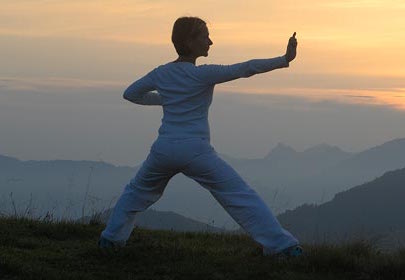
Qi Gong emerged in China more than 2,000 years ago, and its staying power says a great deal about what it offers. Part traditional movement practice, part discipline of breath, it brings together slow, deliberate gestures, controlled breathing and focused attention. The aim is not speed or performance, but a more attentive relationship with one’s vital energy, with body and mind working in step rather than in opposition.
What often surprises beginners is how unassuming it feels at first. There is no dramatic display, no sense of having to conquer the body, no pressure to prove anything. Yet within that apparent simplicity, Qi Gong asks for something many modern routines neglect: patience, inward attention and a willingness to notice subtle change rather than chase immediate results.
In short: what are the main Qi Gong benefits?
Qi Gong benefits may include calmer breathing, better body awareness, gentler movement, improved balance and a more grounded relationship with stress. For beginners, the value is not in complex forms, but in repeating simple movements with attention and ease.
- Slow movement can reduce physical tension.
- Breath awareness can make stress easier to notice early.
- Gentle repetition helps coordination and balance.
- Short practices are easier to keep than ambitious routines.
For a guided reset before practice, try the free Mental Reset Session. For a related Qi Gong article, read Qi Gong, Blood Pressure and Anxiety.
That balance helps explain why Qi Gong has long been valued by Chinese practitioners, and why Western researchers have taken a growing interest in it more recently. For people living with stress in particular, its appeal is easy to understand: the practice is gentle, requires no equipment, and can be done almost anywhere. Yet its promise goes beyond simple relaxation. The research cited around Qi Gong points towards broader effects on quality of life, psychological wellbeing, physical condition and even immune and cardio-pulmonary function, which gives this ancient discipline a distinctly modern relevance.
What Qi Gong Really Brings to Daily Life
An ancient practice that still feels strikingly relevant
Qi Gong has been practised in China for more than 2,000 years. At its core, it combines a traditional form of movement with breath work and focused attention. The practice rests on the idea of learning to sense and guide one’s vital energy through slow, deliberate gestures, coordinated with inhalation and exhalation. In that sense, it can sometimes bring yoga to mind, because it engages both body and mind rather than treating them as separate.
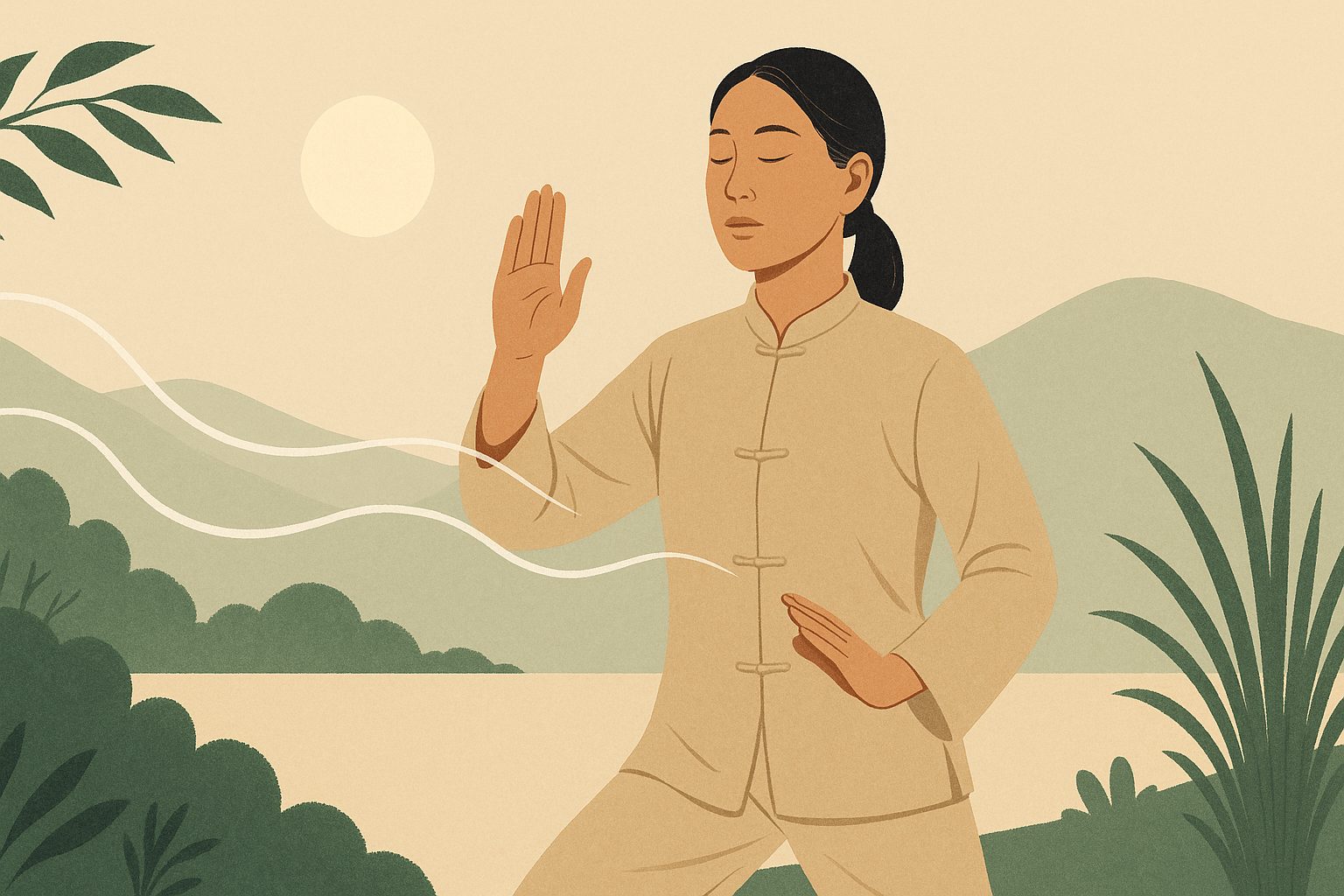
For Chinese practitioners, the benefits of Qi Gong are nothing new. In the West, however, scientific interest is more recent, and that growing attention suggests the discipline may help prevent or ease a range of health problems. A meta-analysis published in the American Journal of Health Promotion highlighted several of these effects, including improvements in quality of life, psychological wellbeing, immune function, physical condition and cardio-pulmonary health. Experts also note that there are now said to be more than 3,000 styles of Qi Gong, which helps explain why the practice can be adapted to different needs and levels.
That variety matters more than it may seem. Some forms are meditative and almost still, while others are more flowing and physically expressive. For a newcomer, this is reassuring rather than confusing: there is no single rigid doorway into Qi Gong, only different ways of learning the same underlying qualities of breath, attention, alignment and ease.
- Slow movements linked to the breath
- Focused attention and mental steadiness
- A practice with many styles and levels of intensity
Why so many people turn to it for calm and balance
One of the clearest reasons people are drawn to Qi Gong is its effect on stress. Those who feel under pressure, or who live with chronic stress, often find it especially helpful. Regular practice is associated with becoming more supple, more centred and more able to concentrate. It can also support a quieter mind, better sleep, a steadier sense of inner peace and a more sustained feeling of energy through the day. Rather than pushing the body hard, Qi Gong works through calm repetition, breath awareness and presence.
It is also one of the most accessible disciplines to begin. You do not need special equipment, a dedicated studio or a high level of fitness. It can be practised almost anywhere and at any time, which makes it easier to fit into ordinary life. That simplicity is part of its appeal: beyond the physical movements, practising Qi Gong is also a way of developing mental resilience and a more grounded relationship with your own body and breathing.
In practice, many people notice the benefits less as a sudden transformation and more as a quiet shift in how they move through the day. The shoulders soften. Breathing becomes less shallow. Reactions feel a little less immediate, a little less ruled by tension. These are modest changes on the surface, but they often alter daily life more deeply than grand promises ever do.
How Qi Gong Supports Both Body and Mind
A gentler practice with real physical effects
Qi Gong is often valued for its calming pace, yet its effects are not limited to relaxation alone. It is also considered helpful for lowering blood pressure and supporting heart health. The slow movements used in Qi Gong, and in Tai Chi as well, create a sense of warmth and circulation that Western researchers often link to improved blood flow. Because the practice can be adapted in intensity, it may either gently raise the heart rate or help settle it, which means the cardiovascular system is engaged without the strain of more demanding exercise.
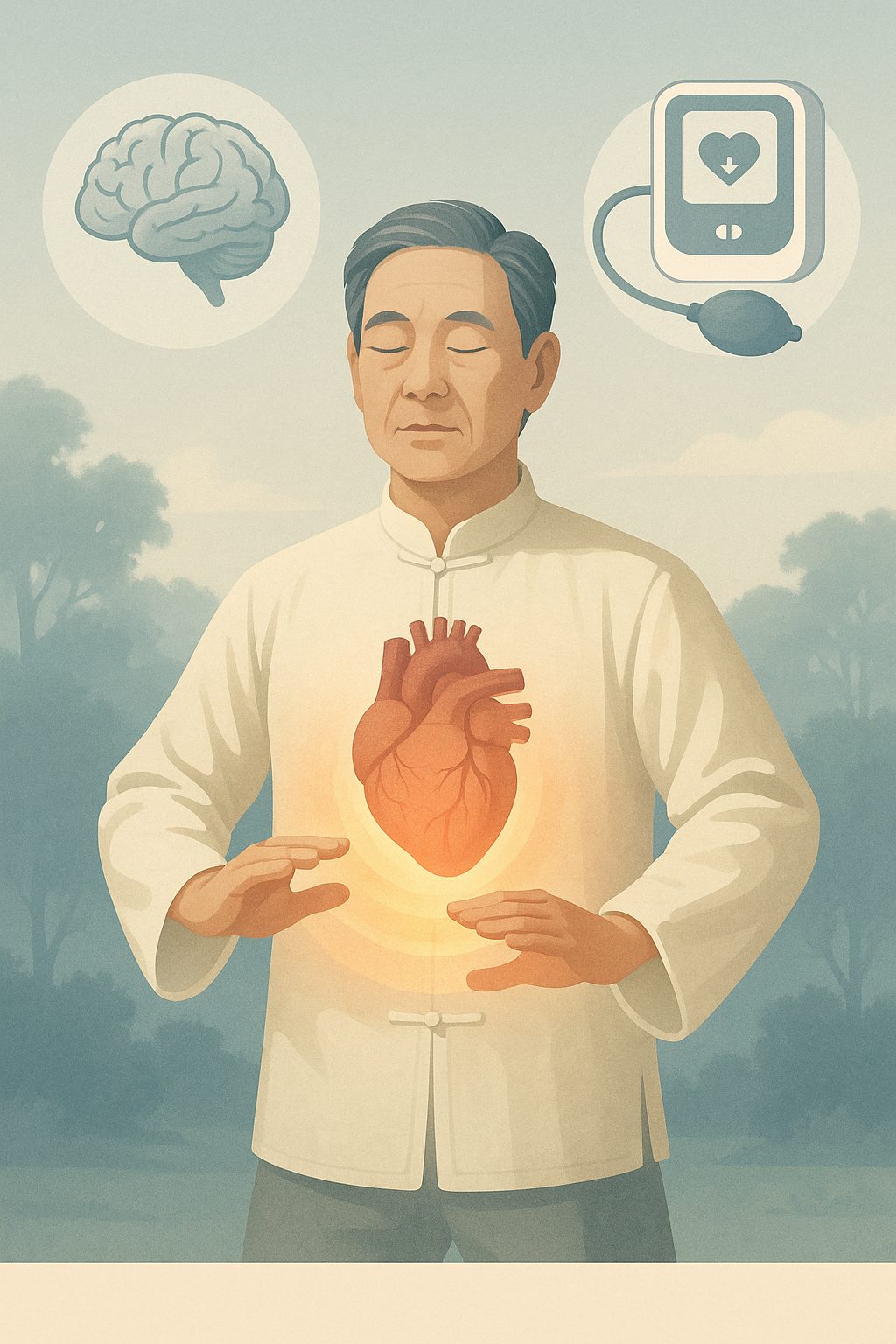
Some research has reported a drop in systolic blood pressure, with readings falling from 152 mmHg to 137.3 mmHg in the people observed. Qi Gong is also known for helping to ease stress and its knock-on effects. A review published in the International Journal of Behavioral Medicine found positive effects on psychological wellbeing, depression, stress and anxiety. In one small experiment, ten students took part in a one-hour Qi Gong session and afterwards reported feeling more satisfied, calmer and more relaxed.
What makes this especially compelling is that the physical and emotional effects are not neatly separate. A slower breath can calm the nervous system; calmer nerves can reduce muscular tension; less tension can improve the quality of movement. Qi Gong works in that circular way, where one small adjustment supports another, and the body gradually stops behaving as though it is under constant demand.
- May support healthier blood pressure
- Can encourage better circulation
- Helps calm stress and anxiety
Benefits that may extend to immunity and recovery
Another area that has drawn attention is immunity. Both in vitro and in vivo research suggests that Qi Gong may play a part in the production of immune cells, including monocytes and lymphocytes. That does not make it a substitute for medical care, of course, but it helps explain why the practice is often seen as more than a simple sequence of movements. For older adults in particular, its gentle nature can make it an accessible way to stay active while also supporting overall wellbeing.
People living with serious illness may also benefit from it alongside standard treatment. In 2010, a study followed 162 patients with cancer: half practised Qi Gong, while the other half continued with their usual care alone. The group that included Qi Gong showed improvements in quality of life, fatigue and mood. Taken together, these findings suggest that Qi Gong can offer support on several levels at once, from emotional balance to physical resilience.
There is something quietly valuable in that supportive role. Not every helpful practice needs to remedy or correct; sometimes its worth lies in helping a person feel more present in their own body during a difficult period. For older adults, for those recovering strength, or for anyone whose energy is limited, Qi Gong can offer movement without aggression and structure without harshness.
Getting Started with Qi Gong Without Overcomplicating It
A simple way in through Tai Chi
For a beginner, Tai Chi can be a helpful gateway into Qi Gong. Its flowing, graceful sequence of movements teaches the same kind of attention that Qi Gong asks for: moving slowly, breathing with intention and staying present in the body. If you are just starting out, that makes it a practical and reassuring place to begin rather than trying to master everything at once.
One of the most accessible options mentioned for beginners is the shortened Tai Chi form created by Master Chen Meng. It is popular partly because it is brief, taking only around 15 minutes, which makes it far easier to fit into an ordinary day. You do not need a special setting either: a clear room at home, a garden or a quiet park can all work perfectly well.
What matters most at the beginning is not elegance but consistency. A short sequence repeated regularly will teach you more than an occasional long session done with strain or impatience. The body learns through repetition, and the mind learns through returning, again and again, to the same simple instructions: soften, breathe, slow down, pay attention.
- Start with a short, manageable routine
- Choose a calm space with enough room to move
- Focus on slow, controlled movement rather than performance
Build the habit gently and let the practice deepen
Before you begin, do a few basic stretches and wear loose, comfortable clothing so that nothing restricts your movement. Then aim for a daily Tai Chi session of around 10 to 20 minutes. That is enough to build familiarity without turning the practice into a strain, which matters because Qi Gong and Tai Chi are learned through regularity and patience rather than force.
Related offer
Meditation - Relaxation set
All the Mental Waves® know-how in a single pack for quick and easy access to meditation and...
View productAbove all, give yourself time. Tai Chi is something you grow into, not something you perfect in a few sessions. Move forward gradually, position by position, and keep the pace soft and steady. That gentle progression is what leads to better-quality practice: more ease in the body, better coordination and a calmer, more attentive state of mind as the movements become more natural.
If you are unsure whether you are doing it correctly, that uncertainty is perfectly normal. In the early stages, the real task is not flawless technique but learning how to inhabit the movement without rushing. Over time, posture becomes clearer, breathing steadier and transitions smoother. The practice deepens almost quietly, often before you realise it has done so.
It can also help to keep expectations modest. Five attentive minutes are more valuable than twenty distracted ones. If a daily routine feels unrealistic at first, begin with several sessions a week and let the habit settle naturally. Qi Gong tends to reward steadiness far more than ambition.
Five Gentle Qi Gong Exercises for Beginners
A beginner practice does not need to be long. Choose a quiet space, stand or sit comfortably and move slowly enough to feel the body rather than perform the movement.
- Opening breath: inhale gently while lifting the hands, exhale while lowering them.
- Cloud hands: shift weight softly from side to side while the arms move across the body.
- Spine wave: let the back lengthen and soften without forcing a stretch.
- Shoulder release: circle the shoulders slowly and notice where tension gathers.
- Standing stillness: finish with one minute of relaxed attention to breathing.
The useful test is not whether the movement looks impressive. It is whether the body feels more available, the breath less rushed and the mind less scattered when the practice ends.
How to Build a 10-Minute Qi Gong Routine
A simple routine can begin with one minute of standing or seated stillness. Let the feet feel supported, soften the jaw and notice whether the breath is high in the chest or lower in the belly. This first minute is not wasted time; it tells the body that the practice has begun.
Use the next three minutes for opening breath. Lift the hands only as far as the shoulders stay relaxed, then lower them with a longer exhale. If thoughts keep moving quickly, do not fight them. Keep returning to the movement as if it were a quiet metronome.
Spend three minutes on cloud hands or another side-to-side movement. The purpose is to feel weight shifting gently, not to copy a perfect shape. This is especially useful for people who spend much of the day sitting, because the practice brings attention back to balance, hips and feet.
Use two minutes for shoulder release, spine wave or slow walking. Choose the exercise that matches the body's state. If the upper back feels tight, choose shoulders. If the whole body feels heavy, choose walking. If the mind feels scattered, choose a slower spine wave.
Finish with one minute of stillness. Notice whether the breath has changed, whether the shoulders are lower and whether the next action feels clearer. This closing minute helps the nervous system integrate the practice instead of rushing straight into the next demand.
Common Beginner Mistakes to Avoid
The most common mistake is trying too hard. Qi Gong is not a test of flexibility, athletic discipline or spiritual performance. When beginners force the breath or exaggerate the movement, the practice can become another source of tension.
A second mistake is practising only when stress has already peaked. Qi Gong can still help in tense moments, but it is easier to access when the body has already learned the rhythm on calmer days. Short, repeated sessions build familiarity.
A third mistake is ignoring discomfort. Gentle effort is normal, but pain, dizziness or breathlessness are signals to stop and adapt. Practising seated, reducing the range of motion or shortening the session can keep the routine accessible.
Standing, Seated or Moving: Choosing the Right Form
Beginners often assume Qi Gong must be practised standing, but the form can be adapted. A standing practice is useful when someone wants to feel grounded, improve balance or wake the body gently. A seated practice is better when energy is low, when balance feels uncertain or when the goal is mainly breath and attention.
Moving forms are helpful when stress feels physical. Slow walking, cloud hands or soft arm movements can discharge pressure without turning the practice into exercise. Stillness is helpful when the mind is busy but the body is already tired. The right choice is the one that makes practice possible today.
This flexibility is important because consistency depends on permission to adapt. A five-minute seated practice done with care is more valuable than a long routine that feels too demanding to repeat tomorrow.
The Mental Waves Beginner Qi Gong Framework
The Mental Waves frame is to treat Qi Gong as a small daily regulation ritual. The practice works best when it feels accessible enough to repeat on ordinary days.
- Slow down: begin with breath rather than effort.
- Soften: release the areas that are holding unnecessary tension.
- Sense: notice balance, pressure, warmth and rhythm.
- Return: end by choosing one calm next action.
For another gentle movement comparison, continue with Yoga, Meditation and Tai Chi for Stress. For breath basics, read Breathing Techniques.
Editorial note from Mental Waves
This article is educational. Qi Gong can support a gentle wellbeing routine, but pain, dizziness, cardiovascular concerns or serious distress should be discussed with a qualified professional.
Conclusion
What stays with you, in the end, is how little Qi Gong asks for and how much it can quietly give back. Its appeal is not only in the promise of greater suppleness, steadier breathing or a calmer nervous system, but in the way these effects seem to arise together rather than separately. Body and mind are not treated as two different projects here; the practice works through attention, rhythm and repetition, which is precisely why it can feel both modest and surprisingly deep.
That is also why beginners do not need to force anything. A short, regular practice, approached with patience rather than performance, is often more faithful to the spirit of Qi Gong than trying to master it all at once. The research mentioned around stress, cardiovascular health, immunity and quality of life gives useful context, but the real value of the discipline may be simpler: it creates a small, steady space in which you can breathe better, move more consciously and feel a little more anchored in yourself. Sometimes that is where real change begins.
And perhaps that is the most persuasive thing about it. Qi Gong does not ask you to become someone else. It simply invites you to meet yourself with a little more steadiness, a little more awareness and a little less internal noise. For many people, that is not a minor benefit at all, but the beginning of a more liveable rhythm.
Frequently Asked Questions About Qi Gong Benefits
What are the main Qi Gong benefits?
Qi Gong may support relaxation, body awareness, balance, breathing and a calmer relationship with stress.
Is Qi Gong good for beginners?
Yes. Beginners can start with short, gentle movements and simple breath awareness.
How long should a beginner practise?
Five to fifteen minutes can be enough when the practice is regular and comfortable.
Can Qi Gong help with stress?
Many people use Qi Gong as a calming practice because it combines slow movement, breath and attention.
Do you need equipment for Qi Gong?
No. A quiet space, comfortable clothing and a few minutes are usually enough.
Why does breathing matter in Qi Gong?
Breathing helps pace movement and brings attention back to the body.
Is Qi Gong the same as Tai Chi?
They are related but not identical; Tai Chi is often more form-based, while Qi Gong can be simpler and more modular.
How can Qi Gong be practised safely?
Move gently, avoid forcing range of motion and stop if pain or dizziness appears.
What is the main takeaway?
Qi Gong is most useful when it becomes a simple, repeatable way to slow down, breathe and reconnect with the body.