en
enVotre panier est vide.


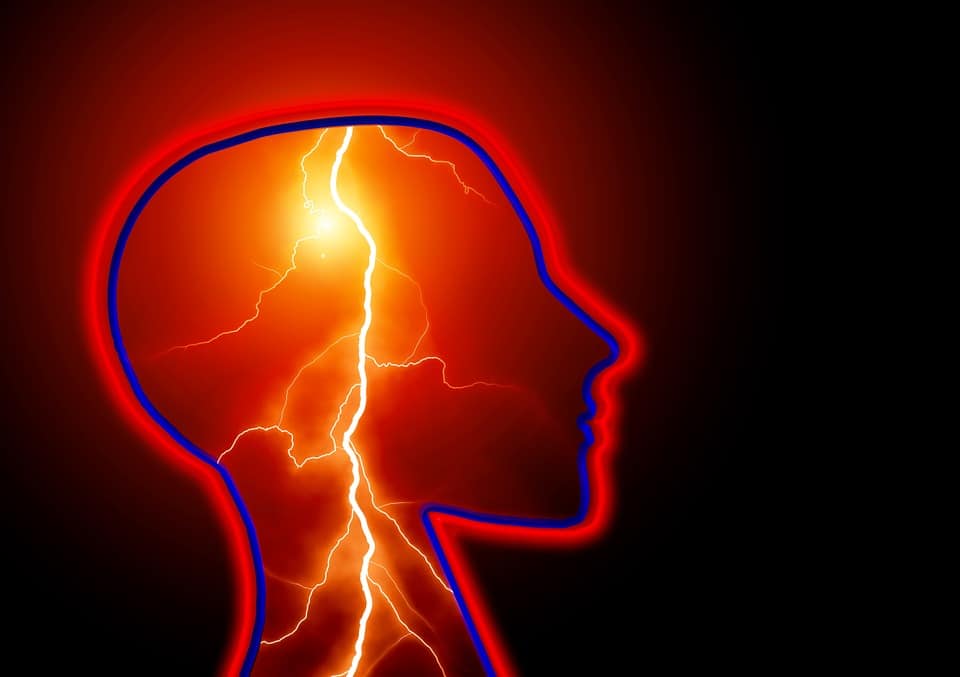
A team at Baycrest Centre for Geriatric Care suggests that music may help the brain “rewire” itself after a stroke. More specifically, their work points to something striking: learning to reproduce a sound on a musical instrument appears to alter brain-wave activity, while briefly sharpening the way that sound is processed. The idea is not that music offers a instant solution, but that it may engage the brain in a way that supports recovery by drawing on auditory, motor and sensory systems at the same time.
This hypothesis sits within a broader scientific context in which musical practice has already been linked to faster brain responses and better preservation of certain cognitive functions with age. Here, the Baycrest researchers are exploring whether those effects could be used more concretely in rehabilitation, particularly after stroke or other brain injury. Their early observations matter because they suggest that targeted musical training may do more than stimulate attention or perception in the moment: it may also help restore aspects of upper-body motor control in people recovering from neurological damage.
That possibility is especially compelling in stroke rehabilitation, where recovery often depends on repetition, timing and the gradual rebuilding of coordinated movement. Music naturally combines these elements. A sound has to be anticipated, a gesture has to be prepared, and sensory feedback has to be monitored in real time. In clinical terms, this makes music an unusually rich form of training: it is structured enough to be measurable, yet meaningful enough to sustain engagement over time.
In short: can music support recovery after a stroke?
Music may support recovery after a stroke because rhythm, listening and instrument practice can engage movement, attention, memory and emotion at the same time. It should be seen as a complementary training support, not as a replacement for medical follow-up or rehabilitation with qualified professionals.
- Rhythm can give movement a clearer timing cue.
- Instrument practice links hearing, touch and motor control.
- Music can make repetition more motivating and emotionally engaging.
- Research remains promising, but each recovery path is individual.
For a broader clinical context, read Neuromusicotherapy and Neurological Disorders. For a short calming cue before practice, try the free Mental Reset Session.
It is also worth noting that post-stroke difficulties are rarely limited to movement alone. Many people experience changes in attention, processing speed, working memory or the ability to integrate sensory information smoothly. Because musical activity recruits several systems together rather than in isolation, it may offer a way of supporting recovery that feels less fragmented than some conventional drills. That does not make it superior in every case, but it helps explain why researchers continue to take it seriously.
Why music may help the brain reorganise after a stroke
A working hypothesis centred on brain plasticity
Researchers at the Baycrest Centre for Geriatric Care suggest that music may help the brain “rewire” itself after a stroke. Their hypothesis begins with a simple but important observation: learning to reproduce a sound on a musical instrument appears to alter brain activity, at least over a short period. For the team, this shift in brain waves may indicate that the brain can reorganise itself quickly in response to injury or disease that affects cognitive functioning. In that sense, music is not presented as a instant solution, but as a possible route towards post-stroke recovery that deserves careful scientific study.
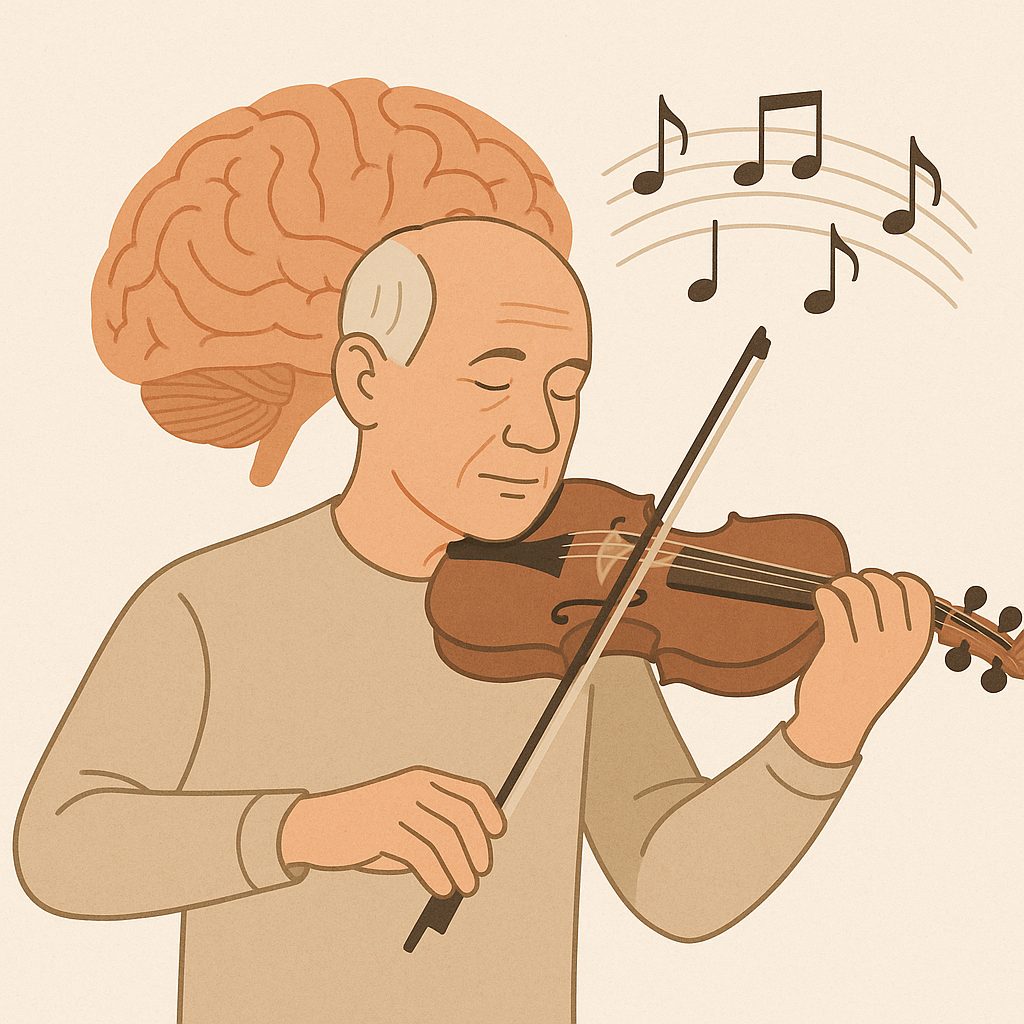
This idea rests on the brain’s capacity for adaptation. After a stroke, some neural networks are damaged, and recovery often depends on the ability of other circuits to compensate. The Baycrest researchers therefore began exploring whether musical training could support that process. Their broader aim is to understand whether structured work with sound, rhythm and movement may help restore certain functions that have been weakened by stroke or other forms of brain injury.
In neuroscience, this adaptive capacity is usually described as brain plasticity. The term does not imply unlimited recovery, nor does it mean that damaged tissue simply returns to its previous state. Rather, it refers to the brain’s ability to modify patterns of activity, strengthen some connections, reduce reliance on others and recruit alternative pathways when necessary. Rehabilitation often depends on this gradual reorganisation, especially when repeated practice is linked to clear sensory feedback.
Music fits that framework rather well. When a person learns to produce a sound accurately, they are not merely repeating a movement; they are matching intention, timing, hearing and bodily adjustment. This coupling between action and perception may be one reason musical exercises are of interest after neurological injury. The brain is not only moving a limb, but also evaluating whether the movement produced the expected result, which can sharpen learning.
Why playing music engages several brain systems at once
Dr Ross, professor of medical biophysics at the University of Toronto and the study’s lead investigator, points out that playing music is not a purely auditory task. It brings several brain systems into play at the same time, including auditory, motor and sensory networks. That overlap is precisely what makes music so interesting in a rehabilitation context: when a person listens, anticipates, moves and adjusts their gesture to produce a sound, the brain is coordinating multiple forms of perception and action together.
According to his team, direct changes in the brain can be observed after exposure to music, which they present as a significant step in this field of research. The next question is whether musical training could have practical effects on the brain activity of stroke patients and older adults. In concrete terms, the ambition is to use music-based training to help retrain motor function after a stroke or a traumatic brain injury, particularly where movement needs to be rebuilt through repeated, meaningful sensory-motor practice.
From a functional point of view, this matters because recovery is often stronger when training is not reduced to a single isolated demand. Producing a sound requires the person to attend to rhythm, prepare a movement, monitor force and position, and compare the heard result with the intended one. That sequence recruits attention, prediction and error correction, all of which are central to relearning. In other words, music may help because it turns rehabilitation into an active loop between the body and the brain.
There is also a motivational dimension that should not be dismissed. Repetition is essential in neurorehabilitation, but repetition can become mentally fatiguing when it feels abstract or monotonous. Musical tasks often provide immediate feedback and a clearer sense of progress, which may help some patients remain engaged for longer. While motivation alone does not restore function, it can influence adherence to therapy, and adherence is often one of the practical conditions of improvement.
- auditory processing
- motor coordination
- sensory feedback
What the Baycrest study suggests about music-based rehabilitation
Why researchers began with healthy adults
Earlier work from the University of Montreal had suggested that the brain responds more quickly when we play music. It also encouraged older adults to take up an instrument as a way of helping to slow age-related cognitive decline. Against that backdrop, the team at the Baycrest Centre for Geriatric Care in Toronto set out to explore whether musical training might eventually support brain rehabilitation programmes. Before applying that idea to people recovering from stroke, they began with a more controlled study involving 32 healthy young adults.
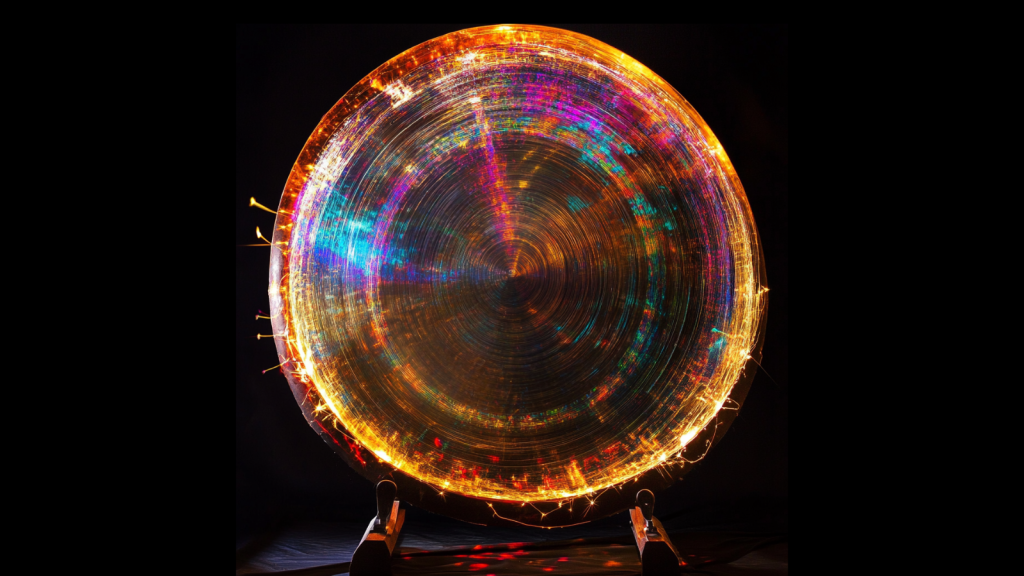
The participants all had normal hearing and no history of neurological or psychiatric disorders. Their brain waves were recorded while they listened to the ringing sound of a Tibetan singing bowl. The group was then split in two: half were asked to reproduce the sound on the same rhythm, while the other half recreated it simply by pressing a key on a computer keyboard. This comparison mattered, because it allowed the researchers to distinguish between a basic response and the more precise sensorimotor learning involved in producing a sound through an instrument-like action.
Related offer
Memory consolidation
Cette session permet de consolider les informations et donc d'optimiser la fonction de mémoire du cerveau. A écouter…
View productBeginning with healthy adults is a standard scientific choice when researchers want to isolate a mechanism before testing it in a clinical population. Stroke survivors differ widely in lesion location, fatigue, medication, hearing, mobility and cognitive profile. Those differences are clinically important, but they can make early interpretation difficult. By first studying healthy participants, the team could ask a narrower question: does learning a sound-producing movement measurably alter brain processing under relatively stable conditions?
The use of brain-wave recording is also relevant here. Measures such as EEG do not reveal every aspect of recovery, but they can capture rapid changes in neural timing and auditory processing with considerable precision. That makes them useful for studying how the brain responds to training over very short intervals. If a measurable shift appears even after brief learning, it strengthens the case for investigating whether longer and more structured musical practice could have therapeutic value.
- 32 healthy young adults took part
- All had good hearing and no neurological or psychiatric history
- Brain activity was recorded as they listened to a Tibetan singing bowl
What changed in the brain after learning the movement
The study suggests that learning the specific movement needed to reproduce a sound changes the way that sound is processed by the brain. In other words, the auditory experience does not remain purely passive: once action, rhythm and sensory feedback are involved together, perception itself appears to shift. This is precisely why music interests neuroscientists in rehabilitation settings. Playing even a simple sound recruits auditory, motor and sensory systems at the same time, which may help explain why musical practice is associated with measurable changes in brain activity.
The researchers interpret these findings as evidence that music may help to develop or preserve certain cognitive abilities, rather than serving only as a pleasant distraction. Their longer-term aim is practical: to use these results to inform rehabilitation strategies for stroke survivors, especially those trying to regain motor control in the upper part of the body. That does not mean music is a standalone remedy, but it does strengthen the idea that carefully designed musical training could become a useful support in post-stroke recovery.
One of the most interesting aspects of the result is that perception itself seems to become more finely tuned after the movement is learned. This suggests that the brain does not treat hearing and doing as separate events. Instead, the motor act appears to shape subsequent auditory processing, as though the brain becomes better prepared to recognise the sound once it has learned how to generate it. In rehabilitation, that kind of coupling may be valuable because it links movement practice to a meaningful sensory outcome.
For stroke survivors, the practical implication is not that everyone should immediately begin formal instrumental training. Rather, the findings support a broader principle: exercises that combine sound, timing and intentional movement may be especially useful when trying to rebuild upper-limb control. A simple percussion task, a guided rhythmic gesture or a carefully adapted instrument may all serve this purpose, provided the activity matches the person’s abilities and is integrated into a wider rehabilitation plan.
There are, however, important limits to keep in mind. The observed effects were short-term, and the study was not conducted in people living with stroke-related impairments. It therefore cannot tell us how large the benefit would be in clinical practice, how long it would last, or which patients would respond best. Even so, the findings offer a credible starting point for more applied research, particularly in programmes that aim to reconnect movement with attention, sensory monitoring and purposeful action.
How to Think About Music After Stroke Without Overclaiming
The most useful way to read this subject is through practice and plasticity. After a stroke, the brain and body often need repeated, meaningful exercises. Music can make those exercises more rhythmic, emotional and engaging, which may help some people stay involved in the work.
That does not make music a stand-alone solution. Stroke recovery depends on the type of stroke, the affected functions, the timing of care, fatigue, motivation, medical context and the guidance of trained professionals.
- Use rhythm to support movement timing when appropriate.
- Keep exercises gentle and adapted to the person.
- Prefer regular short practice over exhausting sessions.
- Coordinate music-based work with rehabilitation guidance.
The Mental Waves Music Recovery Support Framework
The Mental Waves frame is to use music as a structured support for attention, repetition and emotional steadiness. The sound is not asked to do everything. It helps create a more workable state in which training can happen.
Related offer
Memory - Cognition Pack
Brain training sound technology to improve memory, develop accelerated learning, get ideas or inspiration...
View product- Settle: reduce stress before practice begins.
- Coordinate: pair rhythm with simple movement or attention tasks.
- Repeat: keep the task small enough to practise safely.
- Review: notice fatigue, mood and functional progress over time.
For more cognitive context, continue with Brain Training for Success. For the sound-design side, read Mental Waves Sound Technology.
Editorial note from Mental Waves
This article is educational and supportive. Music can be explored as a complementary rehabilitation aid, but stroke symptoms, recovery planning and medication questions require qualified medical and rehabilitation care.
Conclusion
What emerges here is not the idea of music as a instant solution, but as a serious and plausible route into neurorehabilitation. Because playing even a simple sound recruits auditory, motor and sensory systems together, it may help the brain build new pathways after injury. The Baycrest findings remain cautious in scope, especially as the study was conducted in healthy young adults rather than stroke survivors, but they do suggest something important: learning the movement needed to produce a sound can alter how that sound is processed by the brain.
That nuance matters. The value of music after a stroke may lie less in inspiration alone than in its capacity to link perception, attention and action in a structured, repeatable way. In that sense, music-based training may help support the recovery of certain motor and cognitive functions, while also opening a more human form of rehabilitation. Sometimes, recovery begins with the brain finding a new rhythm.
For clinicians and patients alike, the most reasonable conclusion is one of cautious interest. Music should not be framed as a substitute for established stroke care, but it may become a valuable complement where rehabilitation aims to restore coordination, timing and upper-body control. Its strength lies in the way it combines measurable neural demands with lived experience: the person is not only exercising a function, but participating in an activity that has form, feedback and meaning.
As research develops, the key question will be how to translate these early laboratory findings into practical therapeutic protocols. Which forms of musical training are most accessible after stroke? How intense should the sessions be? Which cognitive profiles benefit most? These are the questions that now matter. The Baycrest work does not settle them, but it gives them a stronger scientific basis than simple intuition ever could.
Frequently Asked Questions About Music After Stroke Recovery
Can music help after a stroke?
Music may help some people engage movement, attention and emotion during rehabilitation, especially when it is used alongside qualified care.
Why does rhythm matter after a stroke?
Rhythm can provide a timing cue that supports coordinated movement and repeated practice.
Is playing music different from listening?
Playing an instrument can involve hearing, touch, timing and motor planning, while listening is often more passive but still emotionally meaningful.
What is brain plasticity?
Brain plasticity is the brain ability to reorganize connections and adapt through experience, practice and learning.
Does music replace rehabilitation?
No. Music-based work should be treated as complementary support and coordinated with professional rehabilitation when recovery is involved.
Can music support cognitive practice?
It may support attention, memory and motivation because musical activity can involve several brain systems at once.
Is it safe to use music after a stroke?
Gentle listening is usually low risk, but active exercises should respect fatigue, movement limits and professional guidance.
Why do some studies start with healthy adults?
Researchers often begin with healthy adults to observe brain changes in a controlled way before testing more complex clinical settings.
What is the main takeaway?
Music after stroke recovery is promising when it supports rhythm, attention and motivation without being presented as a stand-alone answer.