en
enVotre panier est vide.


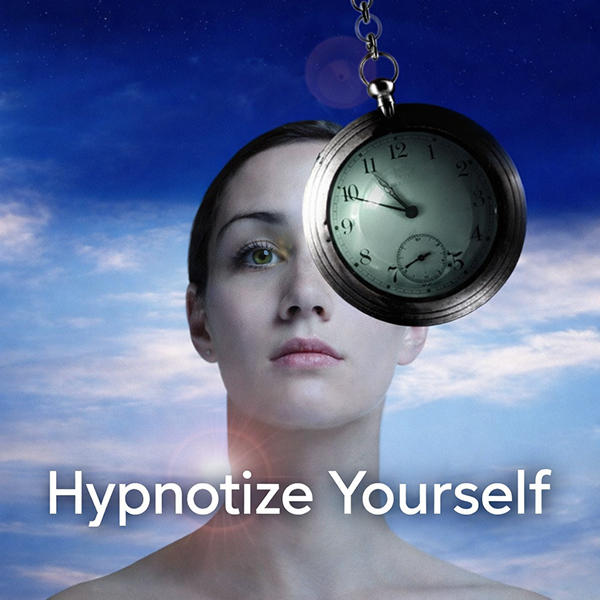
A wider public first encountered hypnosis and related complementary practices through a France 2 documentary that moved between France and China, exploring acupuncture, meditation, Qigong and osteopathy alongside hypnosis itself. What emerged was not a miracle narrative, but a more intriguing idea: that the body and mind may hold underused resources, and that certain practices can alter perception, attention and the experience of pain in ways that deserve serious attention rather than reflex scepticism. In that context, self-hypnosis has attracted growing interest, often surrounded by misconceptions and simplified claims.
At its core, self-hypnosis is presented as a voluntarily induced altered state of consciousness — not a loss of control, but a shift in mental state that may be associated with relaxation, focused attention and a different relationship to one’s inner experience. The article places this within a broader understanding of consciousness as something fluid rather than fixed, moving throughout the day between active wakefulness, calm alertness, deep relaxation and sleep. From that perspective, self-hypnosis is less an exotic phenomenon than a deliberate way of engaging the mind’s own capacities, often sought to support emotional regulation, ease certain fears or habits, and open a more direct dialogue with the unconscious.
In short: what is self-hypnosis?
Self-hypnosis is a voluntary practice that uses focused attention, suggestion and relaxation to shift the way a person relates to thoughts, sensations and inner images. It is not sleep or loss of control; it is a guided change in attention that should be practised with discernment.
- It usually begins with a clear intention.
- Breath and relaxation help attention turn inward.
- Suggestion and visualization can shape the practice.
- Safety, consent and realistic expectations matter.
For subconscious context, read Our Subconscious. For a free contemplative sound cue, receive the Sacred Frequency Session.
What Self-Hypnosis Really Is
From altered consciousness to a more focused inner state
Public interest in self-hypnosis has grown steadily, not least because programmes such as Des Pouvoirs extraordinaires du corps humain on France 2 helped bring hypnosis and complementary approaches into mainstream discussion. In that episode, Adriana Karembeu and Michel Cymes, alongside Dr Lionel Coudron, explored practices ranging from acupuncture and Qigong to meditation, osteopathy and hypnosis, between France and China. Viewers were introduced to striking observations: acupuncture being used to reduce pain in major procedures, meditation being associated with changes in grey matter linked to learning and memory, and hypnosis allowing a person to experience something mentally almost as if it were happening in real life, with similar brain areas becoming active.
Even if these subjects still meet scepticism in some medical circles, they have helped shift the conversation: the body and mind appear to have internal regulatory resources that are more complex than many people assume.
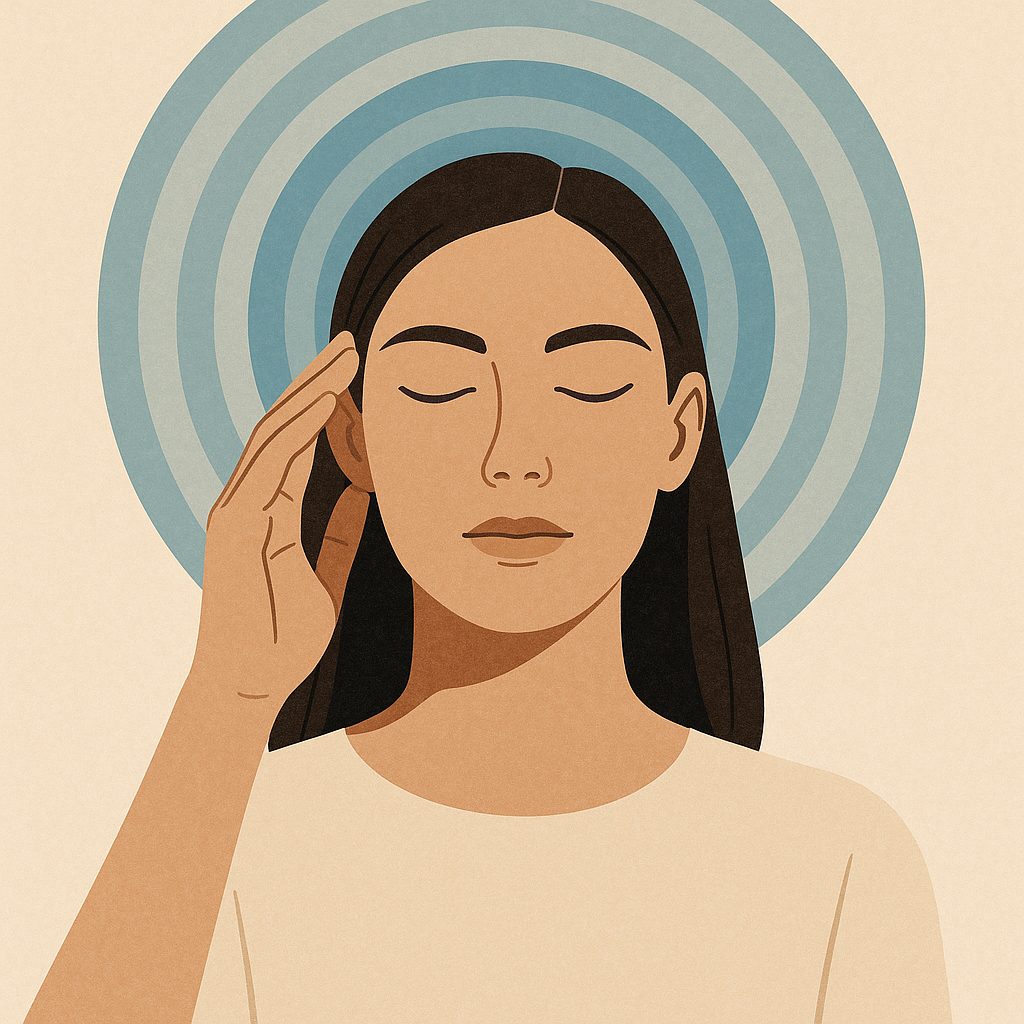
Within that broader context, self-hypnosis is generally described as a voluntarily induced altered state of consciousness. It is not a magical loss of control, but a change in attention, perception and inner absorption that may create a useful bridge towards personal development and emotional regulation.
As Sciences et Avenir has noted, consciousness can be described in part through brainwave frequencies: in active wakefulness, the brain mainly produces beta waves (around 12 to 30 Hz), with gamma activity appearing during intense mental effort; in calm wakefulness or light relaxation, alpha waves (8 to 12 Hz) tend to dominate; theta waves (4 to 8 Hz) are associated with deeper relaxation, meditation and certain sleep states; and delta waves (0.5 to 4 Hz) are more typical of deep sleep.
Marie-Élisabeth Faymonville, head of the algology and palliative care department at Liège University Hospital and an internationally recognised hypnotherapist, has pointed out that throughout the day we naturally move from one state of consciousness to another. Self-hypnosis builds on that simple idea: rather than something strange or foreign, it may be understood as a deliberate way of entering a state the brain already knows how to reach.
- Beta and gamma: active attention and intense mental effort
- Alpha: calm wakefulness and light relaxation
- Theta and delta: deeper relaxation, meditation and sleep-related states
A dialogue with the unconscious, approached with care
The experience itself is often described as a kind of voluntary mental “disengaging”, creating a temporary shift in the relationship between mind, body and surroundings. Some people speak of a softened sense of time, space or self; others describe a feeling of deep inwardness, or even of being connected to something larger than ordinary thought, an idea echoed in Tibetan and Zen traditions through the notion of unity. In more practical terms, self-hypnosis is often sought as a way of reaching the source of emotions more directly, so that fear can be approached with less resistance and negative states may gradually be reshaped into more constructive ones.
In that sense, it can feel like giving the unconscious permission to do what it needs to do, in its own way. Through suggestion and visualisation, this inner dialogue may support confidence, creativity, perspective and emotional regulation, and it is often explored in relation to anxiety, panic, phobias, addictions and other forms of psychological distress.
That said, a serious approach matters. Before practising, it is wise to clarify your aim — the old hexameter of Quintilian remains a useful way of defining priorities and real needs. Self-hypnosis can be practised at many points in the day, indoors or outdoors, provided the setting is quiet and the posture comfortable, whether sitting, standing or lying down. Because attention may narrow and awareness of time or surroundings may fade, it is important to remain physically free to move and able to respond if something external interrupts you. The same caution applies to so-called “external” shortcuts: psychotropic plants, drugs and pseudo-gurus are not safe substitutes for learning the practice properly.
Research has also helped frame these experiences more credibly. Work by Andrew Newberg at the University of Philadelphia, Richard Davidson at the University of Wisconsin–Madison, the Coma Science Group at Liège University Hospital, and observations involving Matthieu Ricard, all point towards measurable shifts in brain activity during meditation and hypnosis. Elena Sender, writing in Sciences et Avenir in December 2016, summarised Newberg’s findings on Tibetan monks: increased activity in the prefrontal lobe, suggesting intense concentration, reduced activity in the right parietal region, suggesting less temporal and spatial orientation, and strong limbic activation associated with emotional experience and wellbeing. Davidson also showed that experienced Buddhist monks produced far more gamma waves during meditation than beginners.
In 2013, the Coma Science Group reported that hypnosis activated internal networks linked to self-awareness while reducing external networks linked to environmental awareness. Taken together, these findings do not prove every claim made around self-hypnosis, but they do suggest that learning to shift one’s state of consciousness may help a person relate to life with greater clarity, flexibility and intention.
- Choose a quiet place and a clear intention
- Stay in a comfortable position while remaining free to move
- Avoid drugs, psychotropic substances and self-styled gurus
- Treat self-hypnosis as a skill to learn, not a shortcut to instant transformation
How Self-Hypnosis Can Support Emotional Wellbeing
A mental state that may help shift inner experience
Self-hypnosis is often described as a voluntarily induced altered state of consciousness, and for many people that is precisely where its appeal lies. Rather than being something strange or unreachable, this type of state can be understood as part of the natural variations of consciousness we move through every day.
As Sciences et Avenir notes, brain activity changes according to our level of alertness and relaxation: in active wakefulness, the brain mainly produces faster beta waves (12 to 30 Hz), with gamma waves appearing during intense mental activity; in calm wakefulness or light relaxation, alpha waves (8 to 12 Hz) tend to dominate; theta waves (4 to 8 Hz) are associated with deep relaxation, meditation and certain forms of sleep; and in deep sleep, delta waves (0.5 to 4 Hz) become predominant.
Marie-Élisabeth Faymonville, head of the algology and palliative care department at Liège University Hospital and an internationally recognised hypnotherapist, sums it up clearly: throughout the day, we are constantly moving from one state of consciousness to another.

Related offer
Video 3D Theta Meditation
3D audio & video meditation THETA Visual and audio stimulation to bring you gradually, pleasantly and gently...
View productSeen in that light, self-hypnosis can be approached as a deliberate form of mental “disengaging”, creating a temporary shift in attention and perception. People often describe a softer awareness of the outside world, a looser sense of time and space, and a stronger connection with inner imagery, sensations and emotions. Some traditions frame this as a feeling of unity with something larger, echoing ideas found in Tibetan and Zen practices, but in practical terms the key point is simpler: by turning towards the source of our emotions, we may begin to calm fear, soften negative states and encourage more constructive ones.
In this sense, self-hypnosis is less about losing control than about allowing the mind to work differently for a time, so that the unconscious can, as the original formulation suggests, “do what it has to do, as it has to do it”.
Why it is often used for anxiety, habits and emotional regulation
This inward shift is one reason self-hypnosis is so often sought for emotional wellbeing. Addressing the subconscious can feel like opening a more direct inner dialogue, one that may help bring clearer responses to persistent questions or patterns. Within that framework, the unconscious is not treated as an abstract mystery but as a practical ally in working through psychological discomfort. Using simple tools such as suggestion and visualisation, self-hypnosis may help strengthen self-confidence, stimulate creativity and open up new perspectives when someone feels stuck. It is also commonly used in attempts to reduce anxiety, ease panic episodes, work on phobias, support emotional regulation and, in some cases, help with addictive behaviours.
The broader scientific interest in these states helps explain why the subject continues to attract attention. Research discussed by Elena Sender in Sciences et Avenir in December 2016 highlighted work by Andrew Newberg showing that when a Tibetan monk meditates, activity in the prefrontal lobe increases, suggesting intense concentration, while activity in the right parietal region decreases, indicating reduced temporal and spatial orientation; limbic areas involved in emotion also become highly active, contributing to a sense of wellbeing. Richard Davidson likewise found that experienced Buddhist monks produced nearly 30 times more gamma waves during meditation than beginners.
In Belgium, the Coma Science Group at Liège University Hospital reported in 2013 that hypnosis also activated internal networks linked to self-awareness while reducing external networks associated with awareness of the environment. Steven Laureys, who leads the group, has also underlined the value of spontaneous altered states of consciousness. Taken together, these observations do not prove that self-hypnosis is a remedy-all, but they do suggest that learning to modulate one’s state of consciousness may support a more balanced and active relationship with one’s inner life.
- may help with anxiety and emotional overload
- may support work on phobias, panic and addictive habits
- may encourage confidence, creativity and mental flexibility
Practising Self-Hypnosis Safely and Effectively
Choosing the right moment, setting and intention
If self-hypnosis is to be useful, it helps to begin with a clear intention rather than a vague hope of “switching off”. The original text rightly suggests using Quintilian’s hexameter beforehand to clarify priorities and real needs: what do you want to work on, why now, in what way, and in what context? That simple reflection can make the practice more focused and more grounded. In practical terms, self-hypnosis can be attempted at almost any time of day, indoors or outdoors, provided the setting is calm enough to support attention. Whether you are sitting, standing or lying down, the key is not adopting a perfect pose but choosing one that is comfortable and stable.
During the experience, people may notice a softer sense of self, space or time, which is precisely why the environment matters. A comfortable posture is recommended, but you should still remain physically free to move and able to respond immediately if an external disturbance occurs. In other words, the aim is not to become helpless or cut off from reality, but to enter a voluntarily altered state of attention in safe conditions. That distinction is essential: self-hypnosis is often described as a deliberate shift from one state of consciousness to another, using simple techniques rather than force or passivity.
- Choose a quiet place with minimal interruption.
- Set a clear intention before you begin.
- Stay in a position that is both comfortable and safe.
What research suggests, and why caution still matters
The broader scientific context helps explain why these practices continue to attract interest. The source text refers to work by the Coma Science Group at the CHU of Liège, as well as research associated with Andrew Newberg, Richard Davidson and the Buddhist monk Matthieu Ricard. In an article published in Sciences et Avenir in December 2016, Elena Sender summarised Newberg’s findings showing that when a Tibetan monk meditates, activity in the prefrontal lobe increases, suggesting intense concentration, while activity in the right parietal region decreases, indicating reduced temporal and spatial orientation. Limbic areas linked to emotion also become highly active, contributing to a sense of wellbeing.
Davidson, meanwhile, observed that experienced Buddhist monks produced nearly 30 times more gamma waves during meditation than beginners. The Coma Science Group also reported in 2013 that hypnosis activated internal networks associated with self-awareness while reducing external networks linked to awareness of the environment. Steven Laureys has likewise highlighted the potential value of spontaneous altered states of consciousness, including near-death experiences.
None of this means self-hypnosis should be treated as magic, nor that every claim made in its name deserves trust. The original warning remains important: avoid dangerous “external” shortcuts such as psychotropic plants or drugs, and be wary of pseudo-gurus who may exploit curiosity more than they support learning. Hospitals have explored the benefits of meditation, Qigong, acupuncture, hypnosis and self-hypnosis with encouraging results, and these approaches may help some people develop a better relationship with attention, emotion and inner regulation. More broadly, learning to modulate one’s state of consciousness may support a more deliberate way of living. Yet this only becomes meaningful when approached with discernment, humility and active engagement.
The tools are accessible, but using them well requires both openness and judgement.

Related offer
Theta Deep Meditation (binaural sounds)
Deep meditation. This session is so deep that it can induce sleep. You may also experience visualizations...
View product- Research points to measurable shifts in attention and brain activity.
- Self-hypnosis should not rely on drugs or risky external aids.
- Credible practice depends on curiosity, caution and personal responsibility.
Seven Grounded Insights Before Practising Self-Hypnosis
Self-hypnosis is easier to understand when it is treated as a skill rather than a mysterious power. The following principles keep the practice practical and safe.
- Start with intention: choose one clear focus for the session.
- Stay comfortable: use a posture that lets the body relax without strain.
- Keep control: self-hypnosis should never feel coercive or frightening.
- Use simple language: suggestions work best when they are direct and realistic.
- Let imagery be flexible: inner images can shift without needing to be perfect.
- Return slowly: give the body time before standing or making decisions.
- Know the limits: deeper distress deserves qualified support.
A simple closing anchor can help: open the eyes, name the room, move the hands and take one ordinary breath before continuing. This makes the return clear and keeps the practice grounded.
The Mental Waves Self-Hypnosis Framework
The Mental Waves frame is to use self-hypnosis as a calm inner-focus practice, not as a shortcut or promise.
- Prepare: create a safe setting and a simple intention.
- Induce: use breath, body relaxation or counting to narrow attention.
- Suggest: introduce one realistic phrase or image.
- Integrate: close gently and notice what changed.
For research context, continue with Scientific Research on the Subconscious. For brain-state background, read Brainwave Frequencies and Meditation.
Editorial note from Mental Waves
This article is educational. Self-hypnosis may support relaxation and inner focus, but it does not replace therapy, medical care or professional support for trauma, severe anxiety, addiction or mental health concerns.
Conclusion
Self-hypnosis emerges here not as a magical shortcut, but as a deliberate way of shifting attention, perception and inner regulation. What makes it compelling is precisely this balance: it is both a lived, subjective experience and a practice increasingly discussed through the language of brain activity, consciousness and emotional processing. Its value seems to lie less in spectacle than in access — access to a calmer state, to clearer self-observation, and sometimes to a different relationship with fear, habit or distress.
That said, the article also keeps an important sense of proportion. Self-hypnosis may support wellbeing, creativity and emotional regulation, but it does not justify credulity, unsafe experimentation or grand promises. Practised with a clear intention, in suitable conditions and with a degree of discernment, it can become a serious personal tool rather than a vague fantasy. Between scepticism and blind belief, there is a more useful path: learning how to work with one’s own mind, carefully.
Frequently Asked Questions About Self-Hypnosis
What is self-hypnosis?
Self-hypnosis is a voluntary practice that uses focused attention, relaxation and suggestion to support inner focus.
Is self-hypnosis the same as sleep?
No. It is a changed state of attention, not ordinary sleep or unconsciousness.
Can self-hypnosis help anxiety?
It may support relaxation and emotional regulation for some people, but severe anxiety deserves qualified support.
How can someone practise self-hypnosis?
Choose a safe setting, relax the body, focus attention and use one clear suggestion or image.
Is self-hypnosis safe?
It is generally gentle when practised sensibly, but people should avoid risky contexts and stop if distress increases.
Does self-hypnosis control the mind?
No. A grounded approach keeps agency, consent and realistic expectations central.
How does self-hypnosis relate to the subconscious?
It can create a focused state where habits, images and inner associations may become easier to observe.
Can self-hypnosis replace professional care?
No. It can support personal practice, but it does not replace therapy or medical care.
What is the main takeaway?
Self-hypnosis is most useful when it is simple, voluntary, safe and grounded in clear limits.