en
enVotre panier est vide.


If you never feel stressed, you are a rarer creature than most. For the rest of us, tension has a way of settling into ordinary life so quietly that we barely notice it until we are running on empty. Long before burnout enters the picture, it helps to have a few simple, reliable ways to come back to yourself.
In short: everyday relaxation tips
Everyday relaxation works best when it is built from small repeatable gestures that lower pressure before stress takes over.
Use this article as a practical map: keep what helps attention become steadier, question anything that sounds absolute, and connect the idea back to repeatable daily practice.
The good news is that daily relaxation does not have to mean withdrawing from the world or overhauling your routine. Often, it begins with small physical and sensory habits that calm the nervous system, loosen what the body is holding on to, and give the mind a little more space to breathe. The gestures that follow are straightforward, accessible and genuinely restorative — the sort of things you can return to day after day when life feels a little too tight.
Releasing Tension Through the Body
Stretching to calm both body and mind
We often underestimate how effective a few simple stretches can be, yet they are one of the quickest ways to ease tension and lower stress levels. Start with the area that feels tightest: your shoulders, neck, back or any knot that seems to be holding the day’s pressure. Then slow down. Close your eyes if it helps, and bring your attention fully to that part of the body instead of rushing through the movement.
The key is to pair each stretch with slow, deep breathing. As the muscles begin to release, the mind usually follows. That is what makes stretching so useful in everyday life: when the body starts to loosen, your mental state often softens with it. Sometimes, simply undoing physical tension is enough to create a real sense of relief.
- Choose one tense area to focus on
- Stretch gently, without forcing the movement
- Breathe slowly and deeply throughout
Why physical release has such an immediate effect
Stress rarely stays in the mind alone. It settles into the body, often without us noticing, until stiffness, tightness and fatigue become our normal state. That is why even a brief stretching routine can feel so grounding: it gives you a concrete way to interrupt that build-up and reconnect with what you are actually feeling.
You do not need a long session or any special technique for it to help. A few mindful movements, done with care and attention, can already make a difference. Physical untangling has a direct effect on the mind, and that simple link is worth remembering whenever stress starts to take hold.
Using Your Voice to Release Stress
Why singing settles the nerves
You have probably noticed it yourself: the tension in our vocal cords often mirrors our emotional state. When we are anxious, irritated or overwhelmed, the voice tightens almost immediately. That is why singing can be so soothing. It relaxes muscles that are closely linked to stress, helps the nervous system settle and often leaves you feeling lighter and more energised at the same time.

There is also a very practical reason for this effect. Singing naturally encourages deep abdominal breathing, which is one of the simplest ways to lower stress levels. Instead of breathing in short, shallow bursts, you slow down and breathe from deeper in the body. That shift alone can calm the mind surprisingly quickly.
Simple ways to make it part of your day
You do not need to sing well for this to work. A few vocal warm-ups, a song in the shower or a full-throated chorus in the car can already do a great deal of good — although, if you sing like I do, it may be wiser to keep your audience to a minimum. The point is not performance; it is release. Letting the voice out can loosen inner tension far more effectively than staying silent and wound up.
If you have a little more time, joining a choir can be an excellent way to manage stress more regularly. It combines breath, voice and rhythm, but also adds something many people forget when they feel under pressure: the comfort of doing something joyful with other people.
- Hum in the shower for a few minutes
- Sing along in the car when you are alone
- Try simple vocal exercises to release tension
- Consider joining a choir if you want a regular outlet
Walking as a Simple Way to Ease Daily Stress
Why walking clears the mind so effectively
Walking has a quietly powerful effect on stress. It helps the mind empty itself almost without you noticing, lowers nervous tension and gives your energy a gentle lift. That is part of its appeal: you do not need special equipment, a perfect routine or a great deal of motivation to feel the benefit. Simply putting one foot in front of the other can create enough movement to interrupt the mental build-up that keeps stress simmering in the background.
There is also something reassuringly physical about walking. When the body starts moving, the mind often follows. Thoughts feel less stuck, inner pressure eases and the whole system begins to settle. What loosens the body often loosens the mind as well, which is why even a short walk can sometimes feel like a reset when the day has become too heavy or too tense.
- It helps clear the mind almost unconsciously
- It lowers nervous tension
- It gives energy a natural boost
A natural outlet for stress hormones
Like many forms of physical exercise, walking is an excellent outlet for accumulated stress. It can significantly reduce the level of stress hormones circulating in the blood, while also stimulating the production of endorphins. These substances, released by the brain, have effects often compared to those of morphine, which helps explain the sense of relief and wellbeing that can follow a walk.
That does not mean you need to turn every walk into a workout. The real strength of walking is that it is both accessible and sustainable. A regular stroll, whether it is during a lunch break, after work or simply to clear your head, can become one of the easiest ways to release pressure before it builds into something more serious.
Why Laughter Works So Quickly Against Stress
A simple release with an immediate effect
Laughter is probably one of the most pleasant antidotes to stress. Much like physical exercise, it helps boost the production of endorphins, those feel-good chemicals that create an almost instant sense of relief and wellbeing. You can feel the shift in the body very quickly: the jaw loosens, the breath deepens, and the nervous tension that has been building up all day starts to soften.
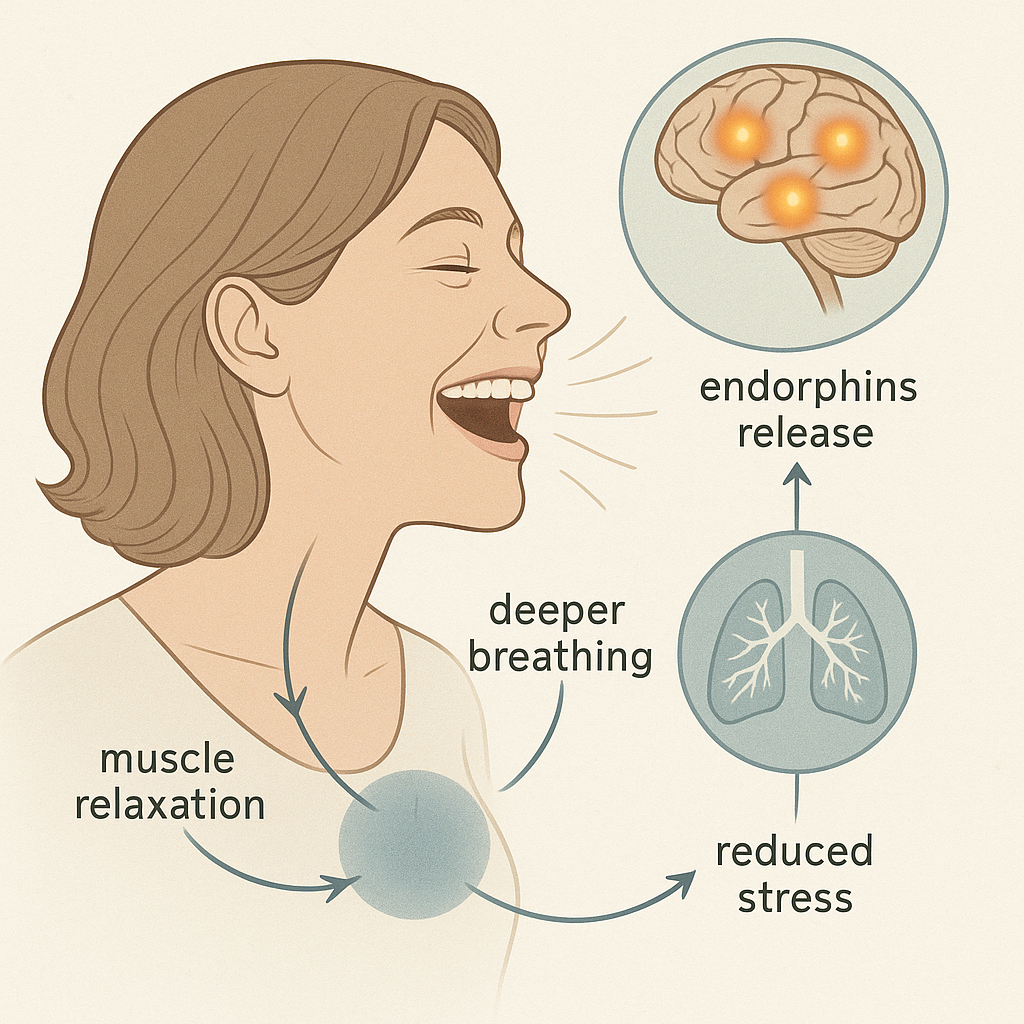
That is what makes genuine laughter so valuable in everyday life. It does not ask for much, yet it can interrupt a spiral of pressure in a matter of moments and give you back a little mental space when you need it most.
Related offer
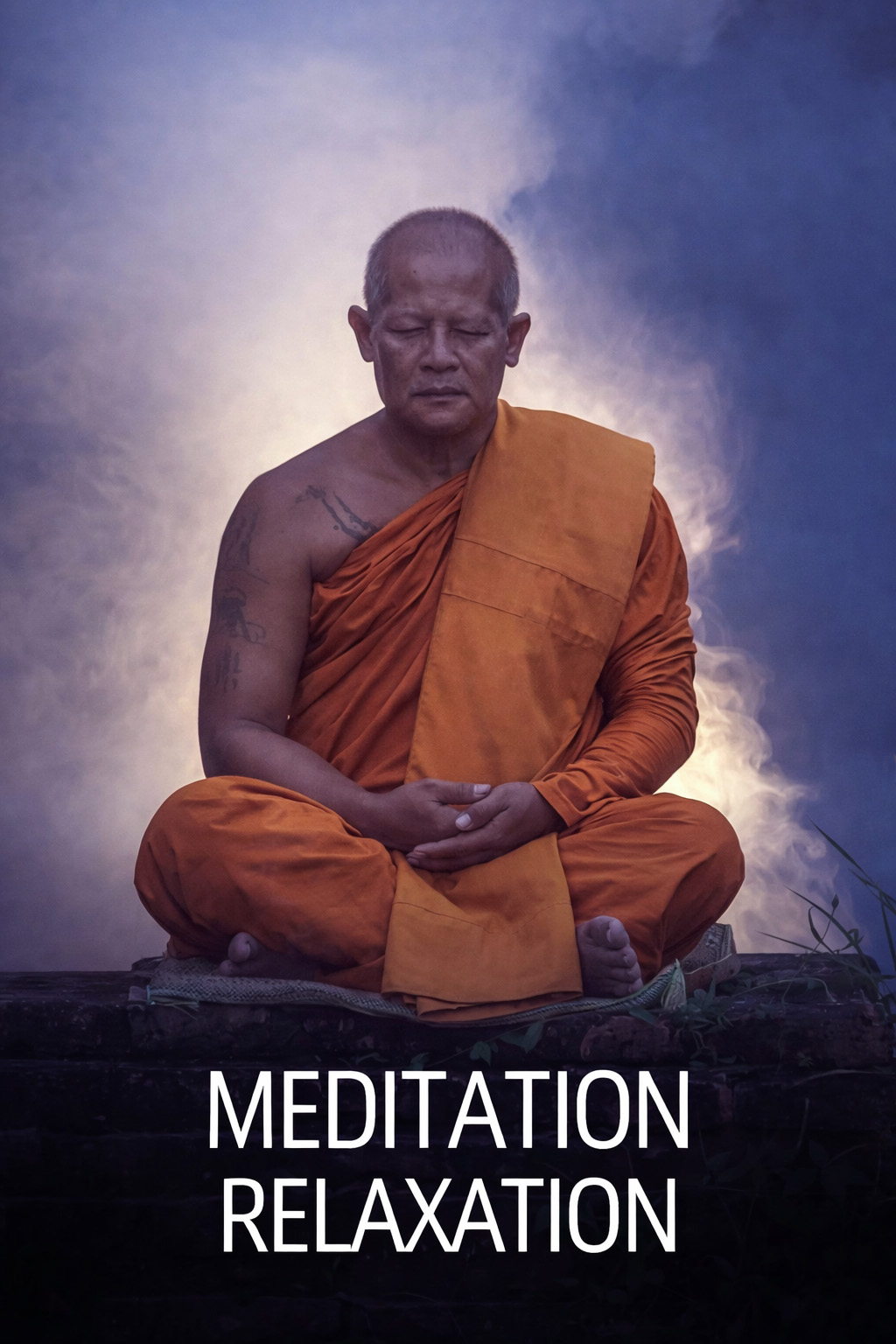
Meditation - Relaxation set
All the Mental Waves® know-how in a single pack for quick and easy access to meditation and...
View productWhy a real laugh can feel like a reset
Some specialists even suggest that one minute of real laughter can be comparable to 45 minutes of relaxation. Whether or not you measure it precisely, the idea rings true: a proper laugh has a powerful effect on both body and mind. It lifts the mood, releases pent-up nervous energy and leaves behind a very tangible feeling of ease.
So if you are looking for a simple way to relax, do not underestimate what makes you genuinely laugh. A funny exchange, a comic scene, or that one person who always knows how to make you smile can sometimes do more for your stress levels than you expect.
- It stimulates endorphin production
- It brings immediate relief
- It helps release nervous tension
Using Scent to Create a Reliable Moment of Calm
Why essential oils can help you unwind
Aromatherapy can be a simple ally against stress. Sometimes the body responds to scent more quickly than the mind responds to reasoning, which is why a familiar, soothing fragrance can bring an almost immediate sense of relief. Essential oils such as lemon balm, lavender and mandarin are often used for exactly this purpose: they help create an atmosphere that feels calmer, softer and less mentally noisy.
One of the easiest ways to use them is in the bath. Add a few drops to the water and let the warmth and fragrance do their work together. The effect is not only physical; it also helps signal to your mind that this is a moment to slow down. That combination of heat, stillness and scent can make it much easier to let the day’s tension begin to loosen.
- Lemon balm
- Lavender
- Mandarin
Turning a pleasant ritual into a lasting relaxation cue
There is another benefit to using the same oils regularly during restful moments: your mind starts to associate that particular scent with relaxation. In other words, the fragrance becomes part of the ritual. After a while, simply noticing that smell again can bring back some of the same feeling of comfort and ease, almost as if the body remembers what to do.
That is why the same essential oils used in your bath can also be inhaled later with a diffuser to help recreate that sense of wellbeing. It is a gentle but effective way to extend the calming effect beyond one moment of self-care. Used consistently, scent can become a quiet shortcut back to a more settled state.
Let Sound Quiet the Mind
Why zen music can work so well
Zen music is one of the simplest ways to unwind, precisely because it asks so little of you. You do not need special equipment, a perfect routine or a great deal of time. You simply press play and let the atmosphere change. When the mind is overstimulated, that shift matters. A calmer soundscape can soften mental agitation, slow the inner rush and make it easier to come back to yourself.
Some zen music goes further than gentle background melodies. It uses very specific sound patterns, including isochronic tones, binaural beats and white noise. These sounds are designed to give the intellect less to cling to, so mental activity can gradually settle. For some people, that creates a real impression of stepping back from the usual stream of thoughts and entering a more restful, altered state of consciousness.
- easy to use at any point in the day
- helps quieten mental overactivity
- can support deeper relaxation over time
A gentle habit with lasting effects
What makes this approach especially useful is its regularity. Used consistently, this kind of music can become a reliable cue for relaxation: the body begins to recognise the sound as a signal to slow down. That is often how stress relief becomes sustainable, not through one dramatic fix, but through small repeated moments in which the nervous system is allowed to rest.
If you struggle to switch off, listening for a few minutes in the evening, during a break or before sleep can be enough to make a difference. The aim is not to force anything, but to create the conditions in which calm comes more naturally. Over the longer term, these moments of auditory rest can help reduce stress and make it easier to access a steadier, quieter state of mind.
Relaxation Practices That Calm the Body and Settle the Mind
Choose a method that helps your body let go
Some relaxation methods work because they do not ask you to think your way out of stress. They begin with the body. Practices such as Tai Chi, Yoga, Qi Gong and even 3D meditation, a more high-tech take on traditional meditation, can all help lower muscular tension and bring on a feeling of calm surprisingly quickly.
That is often what makes them so effective in everyday life. When your shoulders are tight, your breathing is shallow and your whole body is braced, your mind rarely feels peaceful for long. These techniques create the opposite movement: they slow you down, soften physical tension and give your nervous system a chance to come out of alert mode.
Related offer
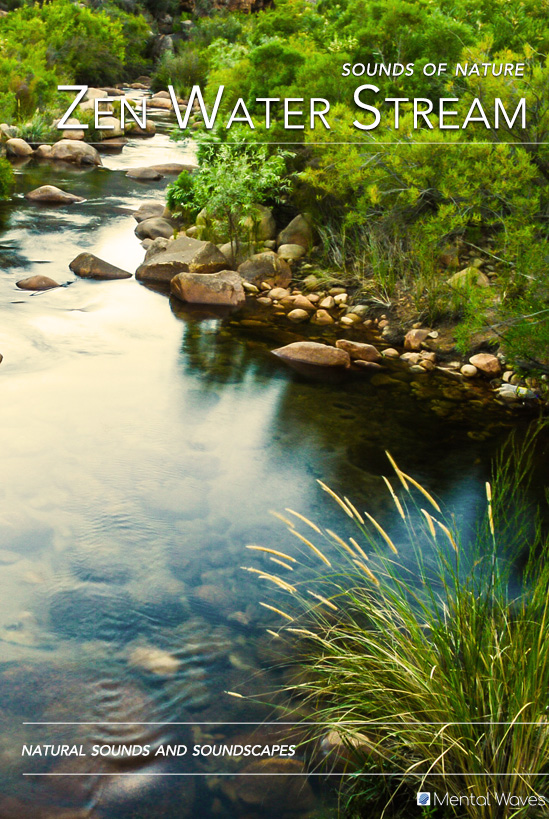
Zen Creek
Calm, serene atmospheres where the song of water reminds us of the source of life. The birds...
View product- Tai Chi for slow, flowing movement
- Yoga for breath and release
- Qi Gong for gentle energy work
- 3D meditation for a more guided, modern approach
Why physical relaxation has such an immediate mental effect
The link is simple but powerful: when the body relaxes, the mind tends to follow. That is why these methods can feel almost instantly soothing. They are not only pleasant rituals; they help interrupt the cycle in which mental stress creates physical tension, which then feeds more stress in return.
You do not need to master a complex routine to feel the benefit. A short session, practised regularly, is often enough to restore a sense of balance. The real value of these techniques lies in their ability to reconnect body and mind, so that calm is not just something you think about, but something you genuinely feel.
The Mental Waves Everyday Relaxation Framework
The Mental Waves frame is to make relaxation ordinary enough to repeat. A small reset in the day can matter more than waiting for a perfect long session that never happens.
Choose simple cues: one breath before reacting, one pause between tasks, one moment of body awareness, one boundary with stimulation. These small repetitions teach the mind that calm can be practised in real life.
For a ready-made pause, try the free Mental Reset session and use it as a short reset between demanding parts of the day.
Editorial note from Mental Waves
This article is practical relaxation guidance. If stress is severe, persistent or linked with health symptoms, it is wise to seek professional medical or psychological support.
Conclusion
What emerges from all of this is something simple but easy to forget: relaxation is rarely a grand event. More often, it begins with small, repeatable gestures that give the body a chance to soften and the mind permission to follow. A stretch, a walk, a song half-sung under your breath, a real laugh, a familiar scent or a few minutes of quiet practice can each become a way of interrupting the build-up before it hardens into exhaustion.
There is no single perfect method, and that is part of the point. What soothes one person may leave another untouched, so the most useful approach is often the most personal one: noticing what genuinely settles your nerves, then making room for it often enough that calm stops feeling accidental. Sometimes relief is less about escaping your life than about learning, day by day, how to return to yourself within it.
Frequently Asked Questions About Relaxing Every Day
How can stretching help reduce stress in everyday life?
Stretching helps release physical tension, and that often has an immediate calming effect on the mind. Focusing on one tight area, such as the neck, shoulders or back, while breathing slowly and deeply can lower stress levels quite quickly and create a real sense of relief.
What is the best way to use stretching as a quick relaxation habit?
Start with the area that feels most tense and stretch it gently without forcing the movement. Closing your eyes and keeping your attention on that part of the body can help. Slow, deep breathing throughout the stretch makes the effect more soothing and helps the body unwind properly.
Why does singing have a calming effect on the nerves?
Singing relaxes the vocal cords, which tend to tighten when emotions and nerves are under strain. It also naturally encourages deep abdominal breathing, and that shift away from shallow breathing can reduce stress. Even a few vocal warm-ups or singing in the shower can help.
Can walking really make a difference when stress starts to build up?
Walking can make a noticeable difference because it helps clear the mind almost unconsciously, lowers nervous tension and boosts energy. Like other forms of physical exercise, it also helps reduce stress hormones in the blood and stimulates the production of endorphins.
Why is laughter considered such an effective way to relax?
Laughter boosts endorphin production and brings an immediate feeling of wellbeing, much like physical exercise. It also helps release pent-up nervous tension very quickly. A genuine laugh can feel like a reset, and even one minute of real laughter is said to equal 45 minutes of relaxation.
Which essential oils are suggested for creating a calmer mood?
Lemon balm, lavender and mandarin are suggested for helping to reduce stress. A few drops in bath water can create a soothing atmosphere and make it easier to unwind. Using the same scents regularly can also help the mind associate them with relaxation.
How can essential oils be used beyond the bath to support relaxation?
Using the same essential oils in a diffuser can help recreate the sense of calm linked to a relaxing bath. The scent becomes part of a familiar ritual, and over time that association can make it easier to return to a more settled state when stress starts to rise.
What kind of sounds in zen music are meant to calm the mind?
Zen music may include isochronic tones, binaural beats and white noise. These specific sounds are used to quieten mental overactivity, put intellectual activity more at rest and support deeper relaxation. With regular use, they can help reduce stress over the longer term.
Which relaxation practices are mentioned for easing both body and mind?
Tai Chi, Yoga, Qi Gong and 3D meditation are all mentioned as effective relaxation methods. They work by reducing muscular tension and bringing on a feeling of calm quite quickly. The underlying idea is simple: when the body relaxes, the mind tends to settle as well.