en
enVotre panier est vide.


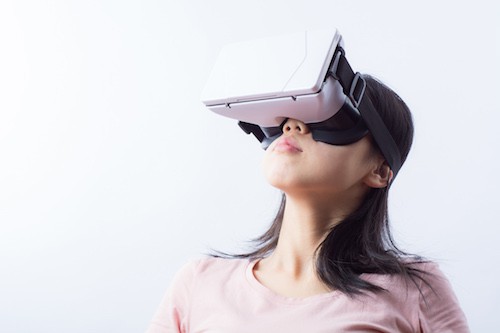
Among the innovations to have emerged in recent years, the virtual reality headset has quickly earned a place of its own. Already familiar in medicine, gaming and cinema, it has now found its way into meditation too. At first glance, the pairing may seem surprising, yet it speaks to a very modern need: finding practical ways to step back from mental overload and settle more fully into the present moment.
Meditation has long been valued for its ability to quiet the constant stream of thoughts, ease built-up stress and support a healthier inner balance, even if the practice can feel elusive at the beginning. That is precisely where virtual reality becomes interesting. By combining sound and image in a deeply immersive setting, it can make concentration feel more accessible and the experience itself more immediate, whether that means being transported to the edge of the sea or into the stillness of a forest.
What makes this meeting between an ancient practice and a very contemporary tool so compelling is not novelty for its own sake. It is the fact that many people genuinely struggle to slow down. Even when the desire to meditate is there, the mind often arrives restless, overstimulated and impatient. A headset cannot solve that on its own, but it can create conditions that make the first few minutes less effortful, and that alone can change the experience considerably.
In short: what are the benefits of virtual reality meditation?
Virtual reality meditation may help by reducing distraction, giving beginners a clear sensory environment and making practice feel more immediate. Its value is not that a headset meditates for you, but that immersion can make the first steps easier for some people.
- Immersive visuals can reduce everyday visual noise.
- Guided environments make the practice feel concrete.
- Sound and space can help attention settle more quickly.
- The headset should support presence, not replace inner training.
For a related brainwave technology angle, read LooxidVR Brain Wave VR Headset. For a free contemplative sound cue, receive the Sacred Frequency Session.
For some, that shift is enough to turn meditation from a good intention into a real habit. Instead of trying to force calm in a noisy room after a long day, they are given a more contained sensory space in which attention can begin to settle. There is something quietly reassuring in that. The technology does not replace the inner work, but it can soften the threshold that so often puts people off before they have properly begun.
Why Meditation Still Matters — and Why Virtual Reality Can Help
A practice that calms the mind and steadies daily life
Meditation is, at heart, a way of settling into deeper reflection while keeping your attention anchored on something precise: a point of focus, an intention or a guide. That simple act of returning your mind to one place can have a very real effect. It helps create distance from the constant stream of thoughts that fills ordinary life and can ease some of the stress that builds up under the pressure of modern routines.
Its benefits go further than a brief feeling of calm. Regular practice is often associated with better sleep, a more stable emotional balance, improved overall wellbeing and a stronger sense of mindfulness in everyday life. For beginners, though, meditation can feel less simple than it sounds. Sitting still, concentrating and not getting carried away by your own thoughts takes practice. Even so, it remains a valuable tool for anyone trying to build a healthier, more positive way of living.
There is also a quieter benefit that people often notice only after some time: meditation changes the texture of ordinary moments. You may find yourself reacting less sharply, listening more fully, or noticing tension in the body before it spills over into the rest of the day. These are not dramatic transformations, but they matter. They are often the signs that the practice is beginning to take root beyond the meditation session itself.
That is one reason meditation continues to hold its place, despite the speed and distraction of modern life. It offers a rare pause, not as an escape from reality, but as a way of meeting it with a little more steadiness. In practice, that can mean breathing more deeply before a difficult conversation, sleeping with less agitation, or simply feeling less pulled in ten directions at once.
- less mental overload
- better quality sleep
- greater emotional balance
Of course, meditation is not always serene. Anyone who has tried it honestly knows that some sessions feel scattered, uncomfortable or oddly revealing. Yet that does not mean the practice is failing. Very often, it means you are noticing what was already there. In that sense, meditation is less about manufacturing peace on demand and more about learning how to remain present without immediately fleeing discomfort.
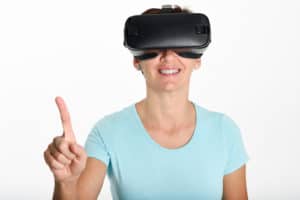
When technology makes meditation more accessible
This is precisely where virtual reality can make a difference. For people who struggle to settle into meditation on their own, technology can offer a more supportive entry point. Rather than replacing the practice itself, it can make the first steps feel more approachable by giving the mind a clearer framework to follow.
In that sense, the virtual reality headset becomes a practical aid rather than a gimmick. It helps beginners stay engaged, reduces some of the effort involved in creating the right atmosphere and can make meditation feel less intimidating at the start. If the traditional approach seems difficult or too abstract, this kind of tool may simply make it easier to begin — and sometimes that is what matters most.
That accessibility matters more than it may first appear. Many people do not abandon meditation because they are uninterested in it, but because the gap between intention and practice feels too wide. They sit down, become distracted within seconds, and conclude that meditation is not for them. A guided virtual environment can narrow that gap. It gives attention something gentle but definite to rest on, which can be especially helpful in the early stages.
There is also a psychological ease in being guided by a setting that feels coherent. A calm visual landscape, spatial sound and a structured sequence can reduce the sense of uncertainty that often unsettles beginners. Instead of wondering whether they are doing it properly, users can simply follow the experience and notice what happens. That reduction in self-consciousness can be surprisingly valuable.
Used thoughtfully, virtual reality can also support people whose surroundings make meditation difficult. Not everyone has access to a quiet room, a peaceful view or uninterrupted time. While a headset is not a perfect substitute for ideal conditions, it can create a temporary sense of enclosure that helps the nervous system settle. For someone living in a busy household or an urban environment full of noise, that can make the practice feel far more realistic.
How Virtual Reality Makes Meditation Feel More Immediate
A more engaging way into the practice
The old cliché of meditation as something austere or faintly dull — sitting cross-legged on the floor for hours with soft background music — feels increasingly out of date. Virtual reality changes the atmosphere of the practice. For people who might once have found meditation intimidating, static or simply hard to get into, it can make the experience feel more accessible, more contemporary and, in some cases, genuinely enjoyable.
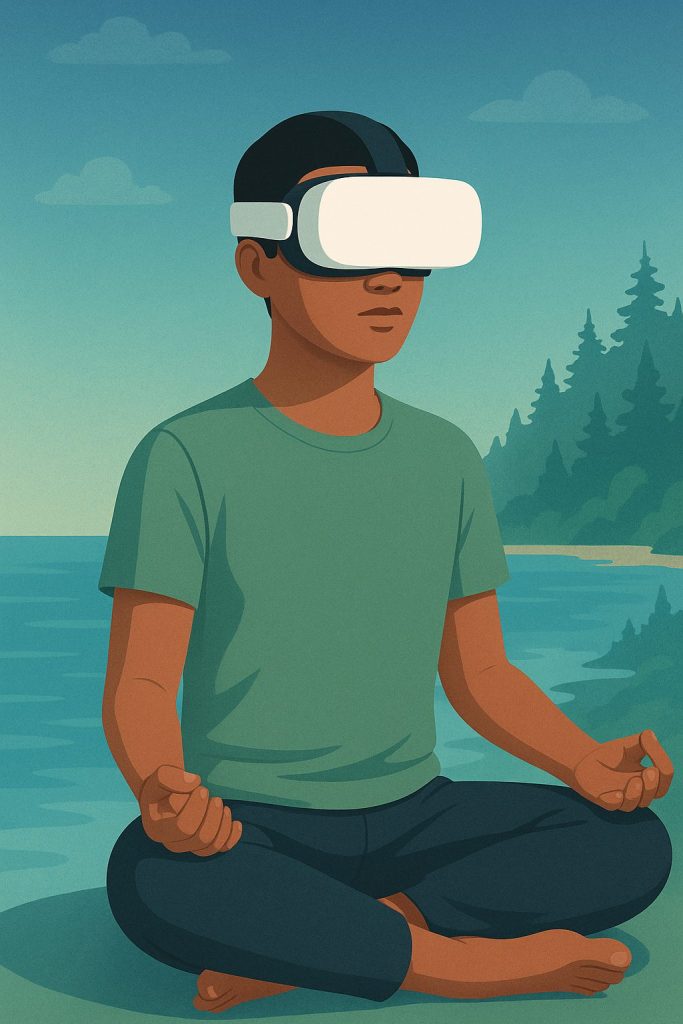
That matters because meditation asks for sustained attention: a focus on a point of reference, while staying present to your feelings and bodily sensations. In that context, a VR headset can be a real asset. Through the screen and headphones, it draws heavily on sight and sound, helping create a strong sense of presence. Instead of trying to imagine a calming setting from scratch, you can be placed at the edge of the sea or in the middle of a forest, with images and audio working together to support concentration.
Related offer
Video 3D Theta Meditation
3D audio & video meditation THETA Visual and audio stimulation to bring you gradually, pleasantly and gently...
View productThe impression is immersive, yet the aim remains the same as in any meditation practice: to stay aware of your body, your breath and what you are feeling in the moment.
That sense of immediacy can be especially helpful for people whose minds are highly visual or easily pulled by external stimulation. In a traditional session, they may spend much of their energy trying to block things out. In a virtual setting, the environment itself becomes part of the practice. The mind is not left to wrestle with emptiness; it is gently occupied by a scene designed to support calm attention.
There is something rather intuitive about this. Human beings respond to atmosphere. A dimly lit room, the sound of water, the impression of open space or birdsong in the distance can all influence how quickly the body begins to soften. Virtual reality gathers those cues into one place and delivers them with unusual intensity. For some users, that can make the transition from mental busyness to inward attention feel less abrupt and more natural.
It can also restore a sense of freshness to a practice that some people have come to associate with effort. When meditation feels like another task on a list, motivation tends to fade. A more immersive format can reawaken curiosity. That may sound like a small thing, but curiosity is often a better foundation for consistency than discipline alone. If the experience invites you in rather than asking you to push through resistance, you are more likely to return to it.
- It can make meditation feel less intimidating for beginners.
- It supports focus through visual and sound immersion.
- It turns a familiar practice into something more vivid and engaging.
None of this means the practice becomes superficial. Enjoyment and seriousness are not opposites here. A meditation session can feel beautiful, absorbing and even quietly moving while still doing the deeper work of attention. In fact, when people feel safe and engaged, they are often more willing to stay present for longer, which gives the practice more depth rather than less.
What to keep in mind before trying it
That said, this kind of technology is not yet widely accessible, and the cost is still a real consideration. A headset remains a significant purchase for many people, which means VR meditation is not always the simplest option to adopt at home. Even so, for those who are curious, there are still two practical ways to try it without overcomplicating things.
The first is to buy a virtual reality headset so you can practise whenever you like and explore the different exercises and settings available. The second is to attend occasional guided sessions organised in hospitals or wellbeing centres, which can be a good way to test the method before investing in your own equipment. Programmes such as Diacalm already offer different pricing options for people who want to discover this new approach. For anyone drawn to meditation but struggling to settle into more traditional formats, that may be enough to make the first step feel much easier.
It is worth approaching the experience with realistic expectations. A headset may help you focus, but it will not remove the ordinary challenges of meditation altogether. Thoughts will still wander. Restlessness may still appear. Some people may even find the equipment slightly distracting at first, simply because wearing it is unfamiliar. As with any practice, there is usually a short period of adjustment before the benefits become clearer.
Comfort matters too. Sessions are often best kept relatively short in the beginning, especially for those who are new to virtual reality. A calm, guided ten-minute experience can be more effective than a longer session that leaves you physically uncomfortable or mentally overstimulated. The aim is not to be dazzled by the technology, but to use it in a way that supports genuine presence.
It is also sensible to pay attention to the quality of the content itself. Not every VR meditation programme is equally thoughtful. The most useful experiences tend to be those that leave enough space for breathing, silence and bodily awareness, rather than overwhelming the senses with constant movement or excessive instruction. Good meditation guidance, whether digital or in person, has a certain restraint to it.
For that reason, trying a session in a supervised setting can be particularly helpful. It allows you to notice how your body responds, whether the immersive format suits you, and what kind of guidance you prefer. Some people will love the sense of enclosure and focus; others may decide that a simpler audio meditation serves them better. Either response is perfectly valid. The point is not to force a trend into your life, but to find the form of practice that genuinely helps you come back to yourself.
- Buy a headset for regular practice at home.
- Try occasional sessions in hospitals or wellbeing centres.
- Look at options such as Diacalm if you want to test the method first.
Five Practical Benefits and Their Limits
Virtual reality meditation is most useful when its benefits are stated simply. It can create a contained space, guide attention, make practice more engaging, support consistency and offer a gentle bridge for people who struggle with silence.
Related offer
Theta Deep Meditation (binaural sounds)
Deep meditation. This session is so deep that it can induce sleep. You may also experience visualizations...
View product- Containment: the environment reduces external visual clutter.
- Guidance: the user has fewer decisions to make at the start.
- Engagement: immersive scenery can make practice feel inviting.
- Consistency: a repeatable setting can become a habit cue.
- Transition: technology can help beginners move toward non-digital practice.
The Mental Waves Immersive Meditation Framework
The Mental Waves frame is to keep the headset secondary. The aim is still attention, breath, body awareness and integration into daily life. Immersion is a doorway, not the destination.
- Prepare: choose a calm setting and a comfortable session length.
- Enter: let the virtual space reduce distraction without forcing results.
- Listen: use sound and breath as anchors inside the environment.
- Return: take one minute after the session before resuming activity.
For EEG context, continue with Brainwave Frequencies and Meditation. For audio-based state design, read Mental Waves Sound Technology.
Editorial note from Mental Waves
This article is educational and technology-focused. Virtual reality meditation can support practice for some users, but discomfort, dizziness, anxiety or visual sensitivity should be taken seriously.
Conclusion
Meditation does not lose its meaning simply because a headset enters the picture. If anything, virtual reality can act as a bridge: not a replacement for inner attention, but a practical support for people who struggle to settle, focus or step away from the noise of everyday life. That is where its value seems most convincing — in making the first steps feel less abstract, and the experience more immediate.
At the same time, the promise should be kept in proportion. Immersion can help, but it does not do the inner work for us, and the cost of the technology still puts it out of easy reach for many people. Used well, though, it opens an interesting path: a more sensory, more accessible way into meditation that remains rooted in the same aim — being present to oneself, with a little more calm and clarity. Sometimes, a new tool is enough to help an old practice land differently.
Perhaps that is the most balanced way to see it. Virtual reality is neither a miracle solution nor a hollow novelty. It is a tool, and like any tool, its value depends on how it is used. In the right hands, and with the right intention, it can make meditation feel less remote and more lived. For people who have always felt that the practice was somehow meant for others, that shift can be quietly transformative.
And if it encourages even a few more people to pause, breathe and listen inwardly with a little more patience, then it has already done something worthwhile. The essence of meditation remains beautifully unchanged: returning to the present, however we can, and learning to stay there a little longer.
Frequently Asked Questions About Virtual Reality Meditation
What is virtual reality meditation?
It is meditation practised with a VR headset that creates an immersive visual and sometimes audio environment.
Can VR help beginners meditate?
It may help some beginners by reducing distraction and making the practice feel more concrete.
Does the headset meditate for you?
No. The headset creates conditions, but attention, breath and awareness still need to be practised.
What are the main benefits?
The main benefits are containment, guidance, engagement, habit support and an easier transition into meditation.
Can VR meditation cause discomfort?
Yes. Some users may feel dizziness, eye strain, anxiety or motion sensitivity and should stop if discomfort appears.
Is VR better than classic meditation?
Not necessarily. It is a tool that may help some people begin, while classic practice remains simpler and more portable.
How long should a VR meditation session be?
Beginners should keep sessions short and comfortable, then extend only if the body responds well.
Why does sound matter in VR meditation?
Sound can deepen immersion and give attention a stable anchor inside the virtual environment.
What is the main takeaway?
Virtual reality meditation is promising when it supports presence without making technology the center of the practice.