en
enVotre panier est vide.



If you feel as though real energy has become harder to hold on to, this guide begins from a simple but striking idea: there are still natural methods for strengthening your wellbeing and living in greater inner balance, even if they now seem unusual or half-forgotten. The promise here is not built on punishing effort or specialist knowledge, but on practices said to have been used for thousands of years by our ancestors and still kept alive in some parts of the world. What matters is the suggestion that vitality is not something reserved for a lucky few; it can be cultivated, gently and consistently, in everyday life.
In short: restore your energy
Restoring your energy usually begins with small repeatable choices that support recovery, attention and daily rhythm without forcing the body.
Use this article as a practical map: keep what helps attention become steadier, question anything that sounds absolute, and connect the idea back to repeatable daily practice.
Just as importantly, the approach is presented as accessible. You are not expected to arrive with prior experience, endless free time or a background in abstract disciplines, and the methods are framed as simple enough to follow step by step, even as a beginner. The wider promise is a fuller kind of change: more steadiness in body and mind, less strain in daily life, and the feeling of being better equipped for work, relationships and the ordinary pressures that so often drain us. In that sense, this is not only about having more energy for its own sake, but about recovering a more harmonious way of living — naturally, and without turning wellbeing into yet another burden.
There is something quietly reassuring in that. Many people are not lacking willpower so much as they are worn thin by repetition, overstimulation and the low-grade tension that settles into modern life almost unnoticed. When that happens, the idea of restoring energy through simple, repeatable practices can feel less like a grand transformation and more like a return to yourself. That is often where meaningful change begins: not in force, but in steadiness.
Ancient Practices for Lasting Energy and Natural Wellbeing
Why these methods still matter today
If you want more energy, it helps to know this from the outset: there are less obvious, natural methods that can strengthen your health and help you live in greater inner harmony, without forcing yourself through exhausting routines. The promise here is not that you must become someone else overnight, but that you can draw on practices that have existed for thousands of years and still have a place in everyday life. Our ancestors used them, and some people around the world still rely on them as part of their daily rhythm. The appeal is easy to understand.
Who would not want to feel energetic throughout the day, stay steady even when work or home life becomes difficult, and regain that sense of natural drive that makes everything feel lighter?
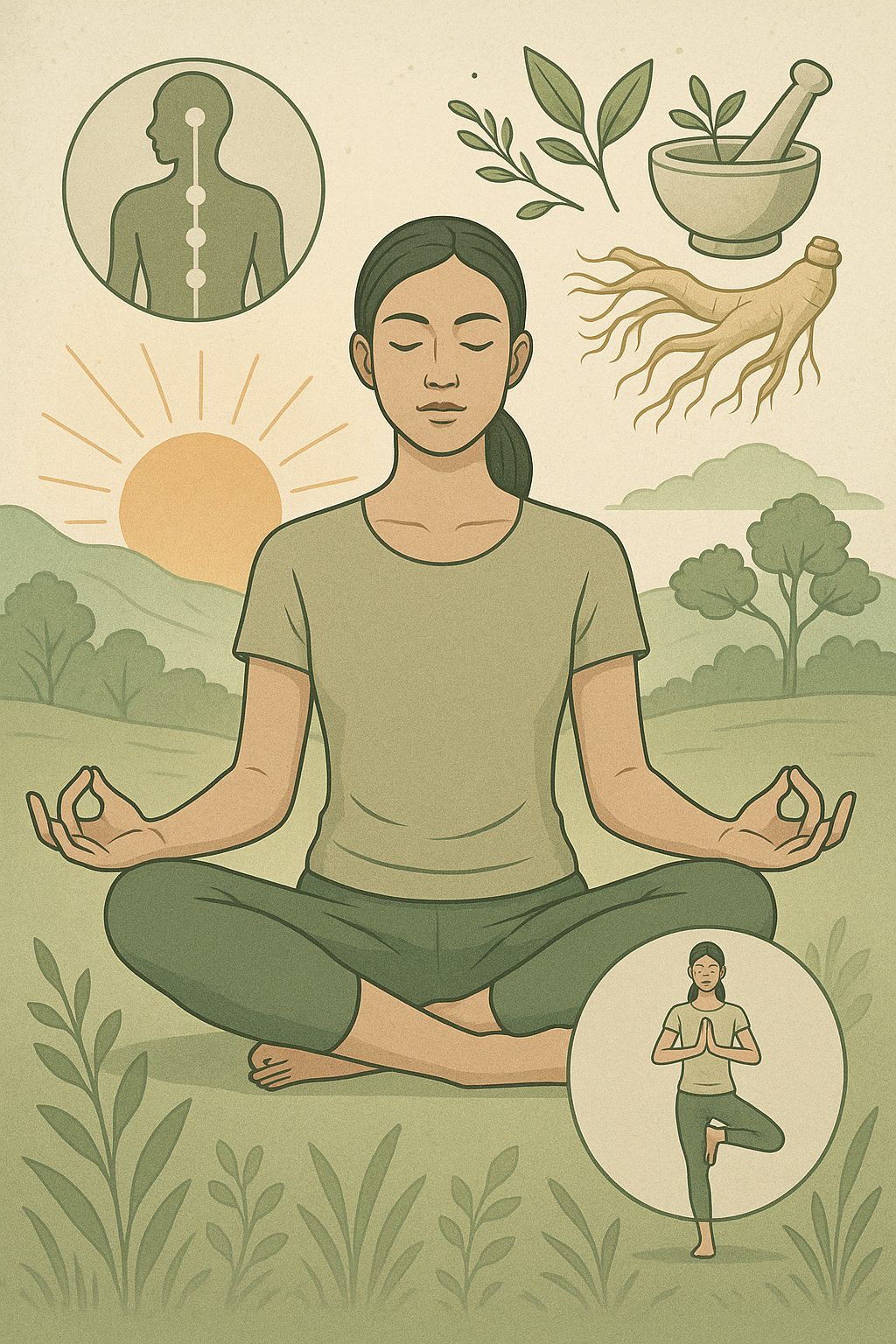
That is also why these approaches speak to so many different needs at once. They are not only about feeling more awake in the morning. They can help you become more effective at work, find the energy to finish the projects you keep postponing, stay mentally present under pressure, and feel happier in yourself and more at ease with the people around you. The underlying idea is simple: when your energy improves, your whole life often becomes easier to inhabit. If that sounds almost like a forgotten secret, it is only because these practices have become less visible, not because they are truly inaccessible. Access the method now.
What gives these methods their staying power is not mystique for its own sake, but the fact that they tend to work with the body and mind rather than against them. Instead of demanding constant intensity, they invite rhythm, attention and a more intelligent use of your inner resources. For many people, that alone is a relief. Energy is often lost not in one dramatic collapse, but in a hundred small leaks across the day.
There is also a deeper human appeal here. Older practices often endure because they answer needs that do not really change: the need to feel grounded, to think clearly, to recover after strain, and to move through life without feeling perpetually depleted. However modern our schedules may be, the nervous system still responds to calm, repetition, breath, rest and meaning. In that sense, these methods still matter because they speak to something timeless in us.
- Feel more effective in your work
- Have the energy to complete your projects
- Live more happily and in better harmony with yourself and others
A simple approach, even if you are starting from scratch
Many people assume that improving their wellbeing naturally must be complicated, expensive, or reserved for specialists. In reality, the approach presented here is meant to be practical, accessible and easy to follow, even if you are a complete beginner. You do not need to pay professionals to benefit from meditation, re-energising practices or harmonising techniques. You do not need prior knowledge, advanced study, or a background in philosophy or psychology. You do not even need a great deal of time: 27 minutes a day is presented as enough to begin noticing positive changes in both body and state of mind. Nor do you need to be young.
These methods are intended to be open to everyone, whatever your age, where you live or what your personal beliefs may be.
Just as importantly, you are not expected to make huge, tedious efforts. The guide assumes you are beginning at the beginning and explains everything step by step. The techniques themselves are described as so straightforward that you may wonder why you had never thought of them before. Used consistently in daily life, they aim to support a healthier body and a calmer mind, helping you feel more balanced, more resilient and more visibly vital to those around you. In that sense, the real strength of the method is not complexity but simplicity: it is designed to make natural wellbeing feel possible, concrete and within reach.
That matters more than it may seem. When people are already tired, they rarely need another demanding system to manage. They need something they can actually sustain on an ordinary Tuesday, after a long day, when motivation is not at its peak. A method becomes useful not when it sounds impressive, but when it can be woven into real life without creating more pressure.
Starting from scratch can even be an advantage. Beginners often approach these practices with fewer rigid expectations and more openness to small shifts: sleeping a little better, reacting less sharply to stress, feeling less mentally scattered, or noticing that the body is not carrying quite so much tension by the end of the day. Those modest changes are easy to dismiss, yet they are often the first signs that something is genuinely beginning to settle and strengthen.
- No need to pay outside specialists
- No prior knowledge required
- No advanced studies needed
- No heavy effort beyond a simple daily practice
How Greater Vitality Can Reshape Your Health, Confidence and Everyday Life
When more energy changes what feels possible
Used consistently, these methods can help you return to activities that may have started to feel out of reach because of back pain, sciatica, relentless migraines or even a depressive state. That change is not only physical. It can be deeply emotional too. There is a particular kind of relief in seeing your family notice that you are standing taller, coping better and feeling solid again. Few satisfactions compare with being seen by the people close to you as truly well, full of life and steady in yourself. The idea here is also to help you release what the original guide calls your “waste”: stress, pain and negative energies that seem to build up day after day.
Imagine approaching an exam, a difficult conversation with your boss or even a dentist’s appointment without that familiar surge of dread. These practices are presented as little-known, almost overlooked by most people, which is part of their appeal: they promise access to a quieter, stronger way of moving through life.

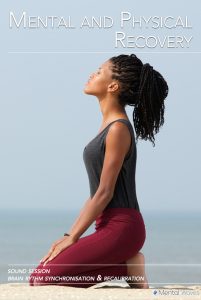
Related offer
Mental and Physical Recovery
This session uses waves with extremely precise frequencies that target healing and recovery. Guidance...
View productFrom there, the benefits described go well beyond simply feeling less tired. The promise is that, by restoring your energy, you begin to recover your sense of direction as well. You may feel closer to your own path in life, clearer about what you are here to do, and more able to pursue the dreams that matter most to you. The guide also links this renewed vitality with longer-term wellbeing: living longer, keeping illness at a greater distance where possible, and easing the psychological suffering that weighs so many people down. Some of the sensations that emerge may feel unusual at first, but they are described as beneficial for both mind and body.
And perhaps that is the deeper point running through all of this: life may have far more to offer than what you have experienced so far, once your energy is no longer being drained at every turn.
Anyone who has lived through a period of exhaustion knows how quickly the world can shrink. You stop doing what you enjoy first, then what matters, and eventually even simple tasks begin to feel heavier than they should. So when energy returns, the change is rarely superficial. It can restore movement, curiosity and confidence in ways that are difficult to explain until you feel them for yourself. What once seemed impossible may not become effortless overnight, but it can begin to feel available again.
That is why vitality is so often tied to hope. More energy does not merely help you get through the day; it can alter your relationship with the day altogether. You may find yourself saying yes more readily, recovering more quickly after setbacks, and feeling less intimidated by the ordinary frictions of life. In practical terms, that can mean doing more. In human terms, it often means feeling more like yourself again.
- Return more easily to activities once limited by pain or exhaustion
- Feel calmer in stressful moments such as exams, work tensions or appointments
- Reconnect with a stronger sense of purpose and possibility
The ripple effect on work, relationships and your sense of self
When your energy improves, even the dullest daily tasks can begin to feel lighter. Jobs you once dragged yourself through may seem easier, and at times almost enjoyable, simply because you are no longer doing everything from a place of depletion. That renewed steadiness can spill into every part of life: enjoying your friends more fully, being more present with your partner, and sharing better moments with your children. The original text speaks of problems giving way to “magical” moments that stay with you, and while that is a bold promise, the underlying idea is easy to recognise. When you feel better in yourself, ordinary life often becomes more vivid, more memorable and more generous.
There is also a practical ambition behind the method. Better health and a clearer state of mind can make you a stronger employee, more focused and more reliable in your work. In that sense, promotions or pay rises are presented as a possible consequence of showing up differently. If you work for yourself, the claim is that a more positive mindset can support the growth of your business as well. Just as importantly, these practices are meant to be shared. Once you have experienced their effects, you may be able to help those around you live with more harmony too.
The guide suggests that people will notice the change in you, admire your new knowledge and wonder where your vitality comes from. Its central promise is simple: it takes you step by step through an accessible process, using straightforward techniques to help prevent future problems, ease existing ones and reactivate the natural mechanisms of wellbeing that have been within you all along. If you want to explore that approach further, you can access the method here.
The ripple effect is often subtle at first. You may become a little more patient in conversation, a little less reactive under pressure, a little more available to the people you care about. Yet those small shifts can change the atmosphere of a home, a workplace or a relationship more than dramatic declarations ever do. Energy has a social quality as well as a personal one; people feel the difference when you are no longer running on fumes.
There is something else worth saying here. Confidence does not always arrive as a burst of certainty. Quite often, it grows from repeated experiences of coping well. When your body feels steadier and your mind less scattered, you trust yourself more. You stop approaching every demand as if it might be the one that tips you over. That quiet trust can influence your decisions, your work, your boundaries and the way you carry yourself in the world.
And when others notice the change, it is not simply because you seem more energetic. It is because vitality often brings coherence with it. You speak more clearly, act with more intention, and seem less divided against yourself. That kind of presence can be deeply persuasive, not in a showy way, but in the calm sense that you are inhabiting your life more fully than before.
- Make everyday responsibilities feel more manageable
- Improve your presence at work and in family life
- Use what you learn to support the wellbeing of others
The Mental Waves Energy Recovery Framework
The Mental Waves frame is to rebuild energy through regulation before intensity. Many people try to push harder when they are tired, but recovery often starts by reducing noise and restoring a steadier rhythm.

Related offer
Caffeine substitute
An effective substitute for caffeine to give you a boost. Energizing effect guaranteed!
View productThink in small levers: sleep timing, hydration, daylight, gentle movement, fewer unnecessary demands, and a short reset when attention becomes scattered. Energy returns more reliably when the system feels less overloaded.
If your mind feels too crowded to recover, begin with the free Mental Reset session and use it as a short transition back into a calmer state.
Editorial note from Mental Waves
This article offers general lifestyle and relaxation guidance. Persistent fatigue, sudden energy loss, pain, sleep disruption or mood symptoms should be discussed with a qualified health professional.
Conclusion
In the end, the real promise here is not some dramatic reinvention of your life, but something both simpler and more meaningful: the possibility of feeling more present in your own body, steadier in your mind, and less drained by the ordinary weight of the day. The article leans on the idea that practices often seen as distant or specialised can, in fact, be approached in a practical and accessible way. Energy, in that sense, is not only about performance; it is also about balance, resilience and the quiet return of a more liveable rhythm.
That is where the deeper nuance matters. Better vitality may well support work, relationships and confidence, but its value is not just in doing more or appearing stronger to others. It lies in recovering a sense of inner alignment that makes daily life feel less like a struggle and more like something you can inhabit fully. If these methods have any lasting worth, it is because they invite consistency over strain, and self-awareness over spectacle. Sometimes, feeling fully alive begins with what is most unassuming.
For many people, that is the most convincing promise of all. Not endless productivity, not a polished image of wellness, but the return of enough strength and clarity to meet life with more ease. To wake up with a little more willingness. To move through work without feeling hollowed out by it. To have something left for the people you love, and for yourself, at the end of the day.
If a method can help restore that kind of steadiness, it is already doing something valuable. Real energy is rarely loud. More often, it shows itself in resilience, warmth, concentration, patience and the sense that your life is no longer slipping past while you try to keep up. Sometimes the simplest practices are the ones that quietly give you your life back.
Frequently Asked Questions About Regaining Natural Energy and Living Well
What is the main idea behind regaining energy naturally in this guide?
The central idea is that energy can be rebuilt through simple natural practices that support both wellbeing and inner balance. These methods are presented as gentle rather than punishing, and as part of a more harmonious way of living rather than a strict performance routine.
Are these methods meant only for people who already know meditation or similar practices?
No, they are presented as suitable for complete beginners. The approach is explained step by step, with no need for prior experience in meditation, re-energising techniques or harmonising practices, and no need for specialist knowledge in philosophy or psychology.
How much time does the daily practice require?
A daily commitment of 27 minutes is described as enough to begin noticing positive changes in both body and state of mind. The emphasis is on regular, manageable practice rather than long or exhausting sessions.
Do you need to pay professionals or follow a complicated programme to use these techniques?
No, the methods are framed as accessible without relying on outside specialists. They are meant to be simple, practical and easy to apply on your own, which makes the approach feel less intimidating for someone starting from scratch.
What kinds of everyday benefits are linked to having more energy?
Greater energy is linked with feeling more effective at work, finishing postponed projects more easily, and coping better with ordinary pressures at home or on the job. The broader aim is to make daily life feel lighter, steadier and less draining.
Can these practices help with stress and emotional strain?
Yes, they are presented as a way to release stress, pain and what are described as negative energies. The intended effect is a calmer response to difficult moments, such as exams, tense conversations at work or other situations that usually trigger dread.
Does the guide claim to help with physical discomfort as well?
Yes, it links regular practice with returning more easily to activities that may have felt difficult because of back pain, sciatica, migraines or a depressive state. The focus is on making everyday life feel more possible again, both physically and mentally.
Who are these methods supposed to be for?
They are described as open to everyone, regardless of age, location or personal beliefs. The approach is meant to be understandable and usable by ordinary people, not reserved for the young, the highly educated or those already immersed in wellbeing practices.
How could better energy affect work and relationships?
Better energy is linked with being more present, reliable and focused at work, while also making it easier to enjoy time with family, a partner and friends. The wider suggestion is that when you feel less depleted, both responsibilities and relationships become easier to handle.