en
enVotre panier est vide.


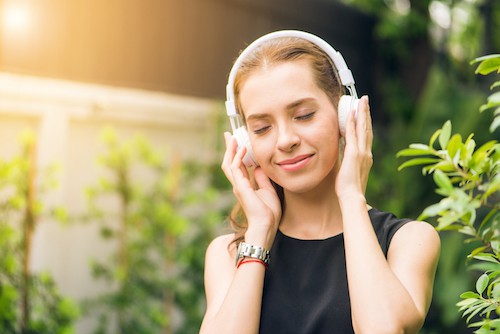
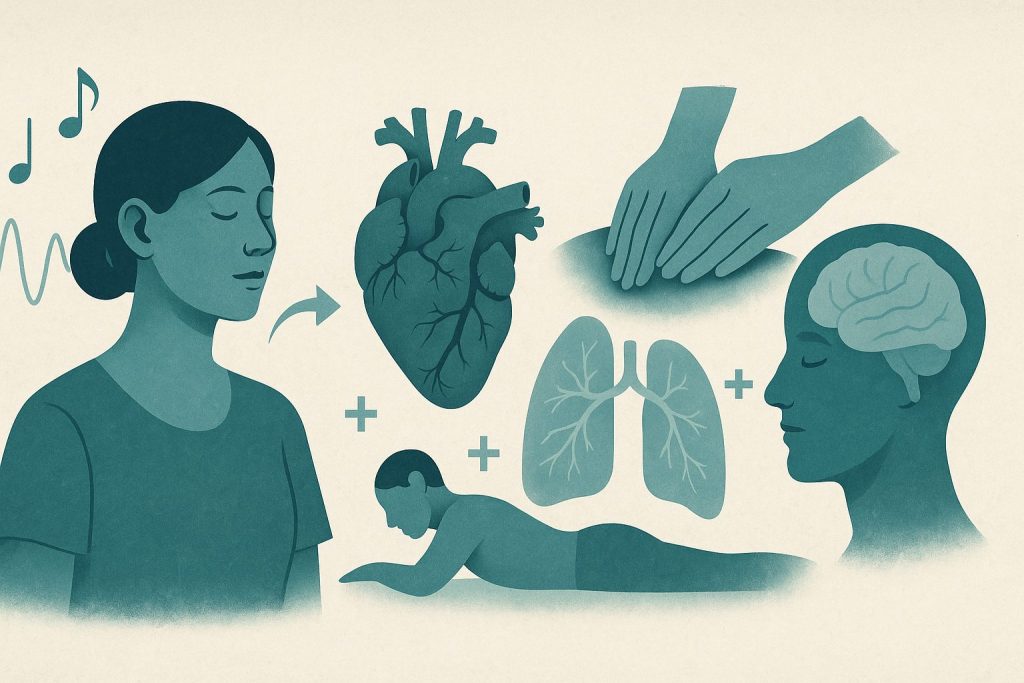
There is a reason relaxing music and massage feel so natural together. Massage speaks to the body through pressure, warmth and contact. Music speaks to attention, mood and rhythm. When the two are placed in the same calm environment, they can turn an ordinary relaxation moment into a more complete body-and-sound ritual.
In short: relaxing music and massage
Relaxing music and massage can work together because both invite the nervous system to slow down through rhythm, touch, breath and attention.
Use this article as a practical map: keep what helps attention become steadier, question anything that sounds absolute, and connect the idea back to repeatable daily practice.
The pairing works best when it is approached simply. The music should not dominate the massage, and the massage should not fight the music. One gives the body permission to soften; the other gives the mind a place to rest. That is the real strength of the combination: it reduces the number of signals the nervous system has to manage.
The Mental Waves Body-and-Sound Reset Framework
At Mental Waves, the value of this pairing is not only that it feels pleasant. It is that it gives the nervous system a coherent set of cues. Touch, sound, breath and environment all point in the same direction: fewer demands, less defensive tension and a more stable internal rhythm.
- Prepare: reduce noise, notifications and harsh light before the session begins.
- Choose: select music that matches the desired state, such as grounding, emotional release or sleep preparation.
- Settle: allow one minute of stillness before adding touch, so the body has time to arrive.
- Synchronise: let touch, breath and music move at a compatible pace rather than competing.
- Integrate: keep two quiet minutes after the massage so the effect can settle instead of being interrupted.
This framework is especially useful because relaxation often fails when the environment is still demanding too much. A massage in a bright room with alerts, conversation and random music can feel fragmented. A massage held inside a clear sound ritual gives the body fewer instructions to decode.
Why relaxing music changes the massage experience
Music shapes attention before the body lets go
Relaxation does not usually begin in the muscles alone. It begins when attention stops scanning for the next demand. Music can help by giving the mind a stable object to follow: a slow texture, a natural sound, a low pulse or a simple melodic field.
This matters during massage because the body may be receiving helpful touch while the mind is still busy. Without an anchor, thoughts can keep replaying the day. With a steady sound environment, attention has somewhere else to rest, making the physical release easier to notice.
The NCCIH overview of music and health notes that listening to or making music affects brain structures involved in thinking, sensation, movement and emotion. It also emphasizes that evidence is still developing, which is why the strongest wording here is supportive rather than absolute.

The right music reduces friction
Not every track is relaxing in the same way. A song can be beautiful and still be too emotionally charged for massage. A piece can be slow and still feel tense. The useful question is not "Is this music calm?" but "Does this music make the body feel less guarded?"
For massage, the best relaxing music usually has three qualities. It is predictable enough to feel safe, spacious enough not to crowd the senses, and emotionally neutral enough not to pull the listener into memory or analysis. Natural water sounds, low ambient textures and gentle harmonic movement often work well.
A quick checklist before pressing play
Before the massage begins, listen to the first two minutes of the track as if you were already lying down. Notice whether the sound asks you to think, remember, anticipate or follow lyrics. If it does, it may be better for ordinary listening than for bodywork.
Check the volume from the position where the person will receive the massage, not from beside the speaker. A track that feels soft near the device can be too present when the head is close to it. The goal is a sound field, not a performance.
Finally, avoid playlists with sudden advertising breaks, abrupt transitions or dramatic peaks. The nervous system reads surprise as information. During massage, too much information can pull attention back into alertness just when the body is beginning to let go.
What massage adds that music alone cannot
Touch brings the body into the ritual
Music can shift the atmosphere, but massage adds direct bodily feedback. Touch helps the person notice areas of contraction, warmth, pressure and release. This makes the relaxation experience less abstract. Calm is no longer only an idea; it becomes a sensation.
Massage also introduces a relational cue when given by another person. Clear, respectful touch can communicate safety without words. That is why consent, pressure and comfort matter. A strong ritual is not about intensity; it is about trust, rhythm and attunement.
The NCCIH massage therapy fact sheet describes research on massage for several types of pain and stress-related concerns, while also noting that evidence quality varies and that massage should not delay appropriate medical care.
Massage and music meet in the nervous system
When touch and sound are coordinated, the session gives the nervous system repeated cues of downshifting. The music says there is no need to rush. The pressure says the body can release. The breathing often follows. The result can be a stronger sense of permission to stop bracing.
That is why the combination can feel deeper than either element alone. Music without body contact may remain atmospheric. Massage without a sound container may still leave the mind busy. Together, they create a clearer threshold between ordinary activity and intentional rest.
How to create a simple relaxing music and massage ritual
The ritual below can be used for self-massage, partner massage or a professional session if the practitioner agrees. Keep it practical and comfortable. The point is not to perform relaxation perfectly; the point is to remove friction so the body can respond.
Related offer
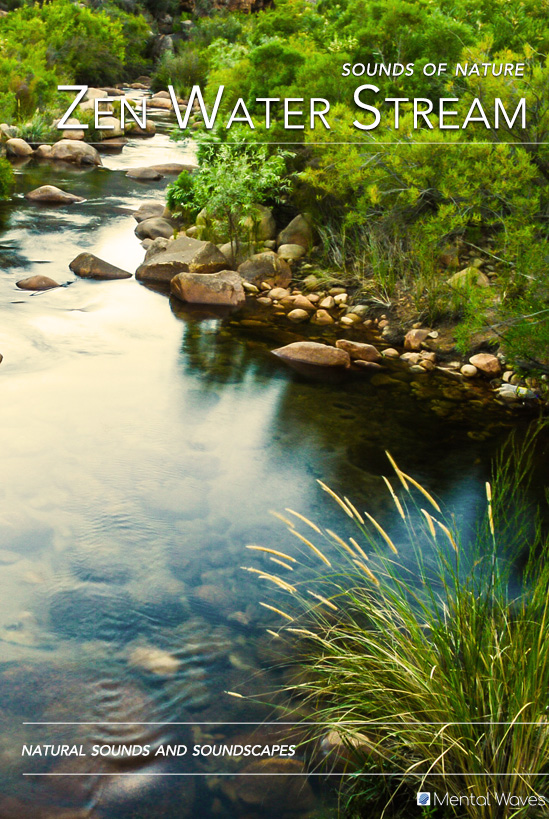
Zen Creek
Calm, serene atmospheres where the song of water reminds us of the source of life. The birds...
View product- Choose one intention: recovery after work, emotional settling, sleep transition or simple body comfort.
- Pick one sound environment: use Zen Creek, a Mental Waves relaxation session or a soft instrumental track.
- Lower the volume: the sound should hold the space without demanding attention.
- Begin with stillness: wait one minute before massage begins and notice breath, shoulders and jaw.
- Use slow pressure: let the pace of the touch follow the calmest part of the music.
- Close without rushing: pause after the last movement and let the room stay quiet for two minutes.
For a short transition ritual, the Mental Reset sound rituals guide can help you structure the moment before or after massage. For deeper context on how sound interacts with the body, see How Sound Affects the Body and Brain.
For self-massage
Self-massage works best when the routine is deliberately small. Choose one area, such as the neck, shoulders, hands, feet or jaw. Put the track on repeat, set a timer if needed and use the first minute only to arrive. This keeps the practice from becoming another task to optimize.
Use the music as a pacing guide. If the sound is slow and open, let the hands become slower too. If the music feels too bright, change it before starting rather than trying to relax through irritation. A good self-massage ritual should make decisions disappear, not multiply them.
For partner massage
When another person gives the massage, the music should never replace communication. Agree on pressure, areas to avoid and a simple signal for "less" or "pause" before the session begins. A calm soundtrack helps most when the person receiving the massage already feels respected and in control.
It can also help to start with the same sound every time. Repetition creates familiarity, and familiarity can lower the need to monitor the environment. Over time, the first notes of the track may become a cue that the room is shifting into rest.
For professional massage sessions
In a professional setting, ask the practitioner whether you can choose or suggest the soundtrack. Many practitioners already use music, but preferences differ. Some people relax with ambient textures, others with water, bowls, drones, soft piano or silence. The most useful option is the one that supports the session without competing with the therapist's rhythm.
If the therapist uses a house playlist, you can still bring awareness to the sound. Let it mark the beginning and end of the session. Notice whether certain textures make the breath easier or harder. That feedback can guide future sessions and help you understand your own sensory preferences.
Which sound should you use for each massage intention?
| Intention | Sound choice | Why it fits |
|---|---|---|
| General relaxation | Soft ambient music | Creates a wide, quiet atmosphere without pulling attention too strongly. |
| Nature-based calm | Zen Creek | Water sounds can give the room a gentle continuity and reduce mental sharpness. |
| Meditative bodywork | Meditation and Relaxation Box | Useful when the massage is part of a broader relaxation or meditation practice. |
| After-work decompression | Mental Reset Session | Helps create the boundary between daily input and intentional rest. |
| Sleep transition | Very soft, low-contrast sound | Supports slowing down without turning the massage into stimulation. |
Keep the sound simple. If the track has dramatic changes, sharp percussion or lyrics that draw attention, it may interrupt the massage rather than support it. The best soundtrack is often the one that lets the body forget it is listening.
What research can and cannot say
It is tempting to describe relaxing music and massage as if they produced the same effect for everyone. That would be too strong. People differ in sensory sensitivity, musical memory, pain history, trauma history, touch preferences and health conditions. The same track that relaxes one person may irritate another.
Still, the research direction is meaningful. NCCIH summarizes evidence that music-based interventions may help with anxiety, pain, stress-related measures and subjective sleep quality in some contexts, while also noting limitations and the need for stronger studies. Its relaxation techniques overview describes the relaxation response as involving slower breathing, lower blood pressure and reduced heart rate.
Massage has a similar pattern: promising short-term benefits in some areas, variable evidence quality and important safety considerations. The useful conclusion is modest: music and massage can be thoughtful, low-burden supports for relaxation when used with the right expectations.
Safety and comfort notes
Relaxing music is usually low risk, but volume matters. Keep listening levels moderate, especially when using headphones. Music can also bring up memories or strong emotions, so the best choice is not always the most beautiful track; it is the one that helps the person feel safe enough to soften.
Related offer
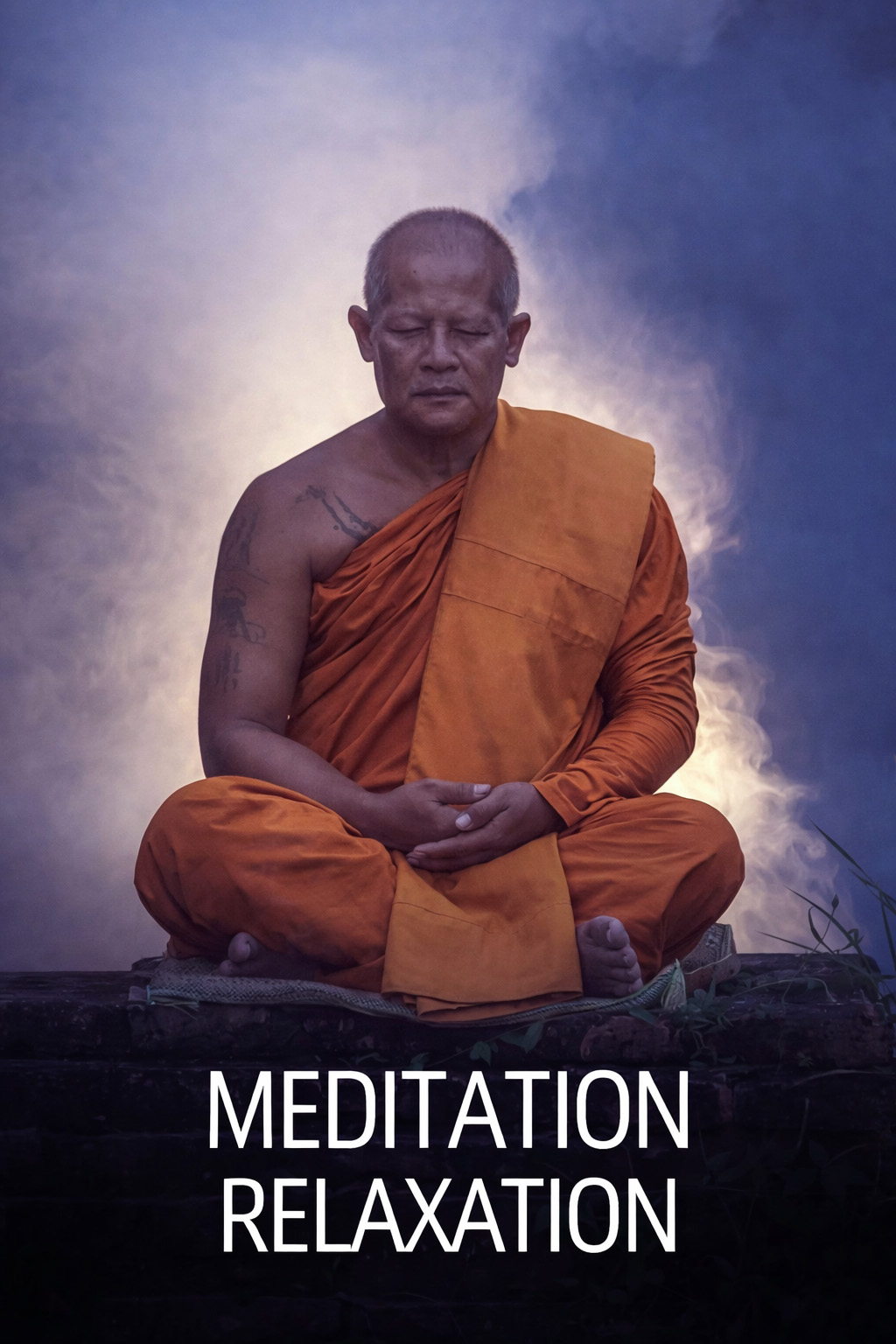
Meditation - Relaxation set
All the Mental Waves® know-how in a single pack for quick and easy access to meditation and...
View productMassage also deserves care. Avoid vigorous pressure on injured areas, unexplained pain, recent surgery, inflammation, suspected blood clots or any condition where touch might be risky. If in doubt, ask a qualified health professional or licensed massage therapist before using massage as part of a wellness routine.
Sources and further reading
- Music and Health: What You Need To Know, NCCIH.
- Massage Therapy: What You Need To Know, NCCIH.
- Relaxation Techniques: What You Need To Know, NCCIH.
The Mental Waves Body-Sound Relaxation Framework
The Mental Waves frame is to combine sound and touch as cues for regulation. Music gives the mind a rhythm to follow, while massage gives the body a direct signal of safety and release.
Use the combination gently: lower the volume, slow the pace, breathe with the music and let the session support recovery instead of forcing a dramatic result.
If you want a simple sound cue before body relaxation, start with the free Mental Reset session and then move into massage or stretching from a calmer state.
Editorial note from Mental Waves
This article offers general wellbeing guidance. Massage and relaxing music can support comfort, but pain, injury, trauma, pregnancy or medical conditions should be discussed with qualified professionals.
Conclusion
Relaxing music and massage are a strong combination because they meet the person through more than one door. Touch helps the body soften. Sound gives attention a calm place to land. Breath and environment then begin to follow the same direction.
Used well, the pairing is not an escape from the body but a return to it. It asks for less noise, less urgency and more listening. That is why it can feel so restorative after a difficult day: the nervous system is finally receiving signals that are coherent.
The simplest version is often enough. Choose music that does not overwhelm. Use touch that respects the body. Leave a quiet space after the session. In that small ritual, relaxation becomes easier to receive.
Frequently asked questions about relaxing music and massage
Why do relaxing music and massage work so well together?
They act through two complementary sensory channels. Massage gives the body tactile pressure, warmth and contact, while relaxing music gives attention a steady sound environment. Together, they can make it easier to downshift from stress into a calmer state.
What is the main benefit of combining relaxing music and massage?
The main benefit is a deeper relaxation frame. Massage can help physical tension soften, and music can support mood, attention and the feeling of safety. The combination is best understood as supportive wellness, not as clinical care.
Does relaxing music affect the body in measurable ways?
Research on music-based interventions suggests that music may influence stress-related physical and psychological measures, including heart rate, blood pressure, anxiety and worry. The evidence varies by context, so claims should stay cautious.
Does massage therapy have research behind it?
Massage has been studied for pain, stress, anxiety and quality of life in several populations. Some findings are promising, especially for short-term relief, but the quality of evidence differs by condition and massage should not replace medical care.
What kind of music is best during massage?
Choose music that supports the desired state without demanding attention. Slow, stable, spacious soundscapes, natural water sounds, gentle ambient textures or guided relaxation audio usually work better than music with sudden changes or strong lyrical content.
How should I prepare the space?
Reduce input before beginning. Lower the volume, soften the lighting, remove notifications and agree on pressure and boundaries if another person is giving the massage. The goal is a simple environment where touch and sound can become the main cues.
Can I use headphones during a massage?
Yes, if they are comfortable and do not interfere with the position of the head or neck. For table massage, quiet speakers may be easier. If using headphones, keep volume moderate and choose a track that does not create sensory pressure.
Which Mental Waves sessions fit this ritual?
Zen Creek fits a natural water-based relaxation atmosphere, while the Meditation and Relaxation Box offers a broader listening pathway. For a free first step, the Mental Reset Session can help create the transition into calm before or after massage.
When should I avoid massage or ask a professional first?
Ask a qualified professional if you have an injury, blood clot risk, severe pain, recent surgery, cancer treatment, osteoporosis, neurological symptoms or any condition where pressure could be unsafe. Massage should not delay medical care.