en
enVotre panier est vide.


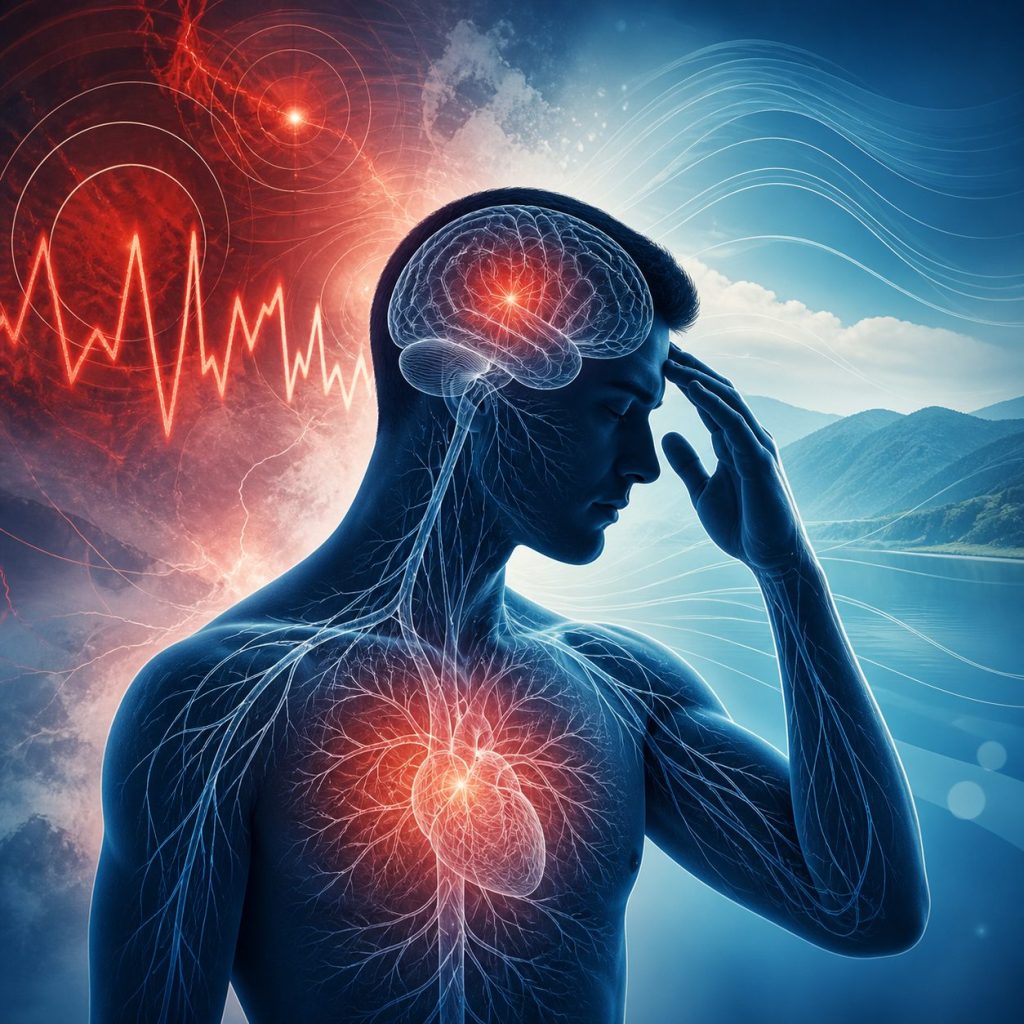
More and more scientific studies are now examining the effects of stress on health, and the picture is hardly reassuring. Nearly one person in three says they very often live with a level of nervous tension that goes well beyond the occasional bout of pressure. Sociologists and doctors have long tried to understand whether the rise in chronic stress may be linked to increasing rates of depression, cancer and cardiovascular disease, with young professionals often described as especially exposed.
In short: chronic stress
Chronic stress is a survival response that becomes harmful when the body stays on alert long after the immediate danger has passed.
Use this article as a practical map: keep what helps attention become steadier, question anything that sounds absolute, and connect the idea back to repeatable daily practice.
That concern does not come from nowhere. A culture shaped by pressure, consumption and the pursuit of perfection seems to be feeding a steady rise in psychological distress, while poor lifestyle habits can make harmful stress far more likely to take hold. Stress itself is not new, nor is it always the enemy; what has changed is the way it settles into everyday life, until a normal survival response begins to wear the body and mind down.
What makes modern stress so insidious is not always its intensity, but its constancy. Many people are no longer reacting to one clear danger, then recovering; they are moving from email to traffic, from deadlines to poor sleep, from mental overload to the quiet guilt of never quite doing enough. The body does not always distinguish neatly between a genuine emergency and a life lived in permanent overdrive. After a while, that blurred line starts to cost us.
Stress as a survival reflex — and the point where it turns harmful
A normal reaction built into the body
Stress is not, in itself, an illness. It is first and foremost a natural bodily response to danger. In that sense, it is part of our evolutionary inheritance. Our prehistoric ancestors needed to react instantly when faced with a real threat — the kind of danger that could mean life or death, whether that was a predator in the forest or any other sudden peril. That survival reflex has never left us. It is still deeply wired into the nervous system, which is why the body can switch into alert mode in a matter of seconds, even when the threat is not actually mortal.
When that alarm system is triggered, the body sets a whole chain of reactions in motion. Hormones such as adrenaline and dopamine are released, the heart beats faster, blood pressure rises, the extremities constrict their blood vessels, the visual field narrows and elimination functions speed up. In other words, a surge of stress can unsettle the whole body very quickly. Anyone who has had a sudden fright on the road will recognise it: pounding palpitations, dizziness, shortness of breath, a dry throat, and that strange feeling of being shaken from the inside. Stress affects everyone. Birth itself is a major stress for the body.
So there is nothing abnormal about feeling stressed at certain moments in life; in many situations, the organism is simply trying to help us cope.
Seen in that light, stress is less a flaw than a form of emergency intelligence. The body is trying to protect us before the thinking mind has even caught up. Muscles tense, attention sharpens, energy is redirected, and for a brief moment we become more prepared to act. That is why stress can sometimes help us perform, react quickly or get through a demanding situation. A certain amount of activation is part of being alive.
The difficulty is that the body’s alarm system is wonderfully fast, but not especially subtle. It was designed for immediate threats, not for endless low-grade pressure, emotional ambiguity or the modern habit of carrying tomorrow’s worries into the middle of the night. We may be sitting at a desk, lying in bed or scrolling through messages, yet the nervous system can still behave as though something dangerous is approaching. That mismatch is at the heart of so much contemporary exhaustion.
- release of hormones such as adrenaline and dopamine
- faster heart rate and higher blood pressure
- narrowed vision and physical tension throughout the body
When a useful reflex becomes chronic
The problem begins when stress stops being occasional and becomes chronic. That is the point at which it turns harmful. A person affected by chronic stress can remain on edge even when there is no immediate danger around them. The nervous system keeps activating the same defence mechanisms it would use in an extreme situation, as though the threat were still present. Over time, that repeated state of alert puts the body through a real ordeal, because it is being asked to function in emergency mode far too often and for far too long.
This is when symptoms start to appear more clearly. On the physical side, chronic stress may be accompanied by chest pain, tendon problems and migraines. On the psychological side, it can feed anxiety, anguish, depression and phobias. So the key distinction is not whether a person feels stress from time to time — everyone does — but whether that response has become constant, disproportionate and disconnected from any real danger. What begins as a useful survival mechanism can then become a genuine source of suffering.
In real life, chronic stress often arrives quietly. It may begin as irritability, shallow sleep, a clenched jaw, a sense of always being slightly behind. Then concentration becomes harder, patience thins, the body feels more brittle, and small setbacks provoke reactions that seem larger than the moment deserves. People often tell themselves they just need to push through a busy patch, when in fact the system has already been under strain for months.
That is one reason chronic stress can be so easily normalised. If everyone around you is tired, wired, overbooked and mentally scattered, your own symptoms can start to look ordinary. Yet the body keeps the score. It notices the skipped meals, the caffeine used as a substitute for rest, the evenings spent recovering without truly unwinding. By the time stress feels undeniable, it has often been building in the background for a long while.
- physical signs: chest pain, tendinitis, migraines
- psychological effects: anxiety, anguish, depression, phobias
Reducing Stress Before It Takes Hold
Start with the foundations you can actually change
The reassuring part is that chronic stress rarely appears out of nowhere. It usually builds through a combination of risk factors, which means there is often room to act before it becomes deeply entrenched. The first and most effective lever is usually your everyday lifestyle. In practice, that means returning to a few simple but powerful basics: eating a balanced diet, cutting out stimulants such as tobacco and coffee, getting enough sleep, and keeping up regular physical activity.
Related offer
Meditation - Relaxation set
All the Mental Waves® know-how in a single pack for quick and easy access to meditation and...
View product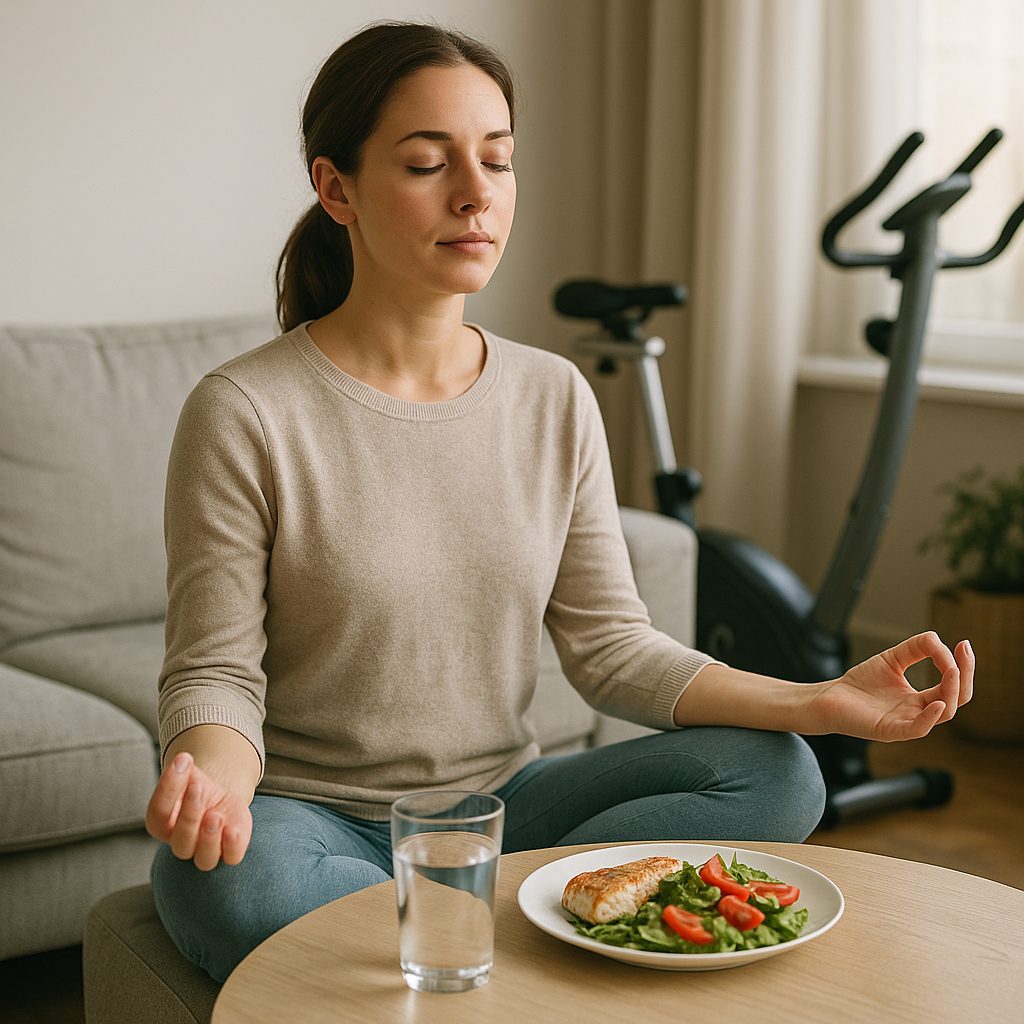
These habits may sound ordinary, but their effect is anything but minor. Put together, they can reduce stress very significantly, in some cases by as much as 75%. That is why prevention does not begin with a miracle solution, but with the body’s daily conditions: how well it rests, how it is fuelled, and whether it has an outlet for tension. When those foundations are neglected, stress finds much easier ground in which to settle.
There is something quietly humbling about this. We often look for sophisticated answers to stress, yet the nervous system still responds powerfully to very basic forms of care. Regular meals help stabilise energy and mood. Sleep restores far more than simple alertness; it gives the brain and body a chance to reset. Movement burns off accumulated tension and reminds the body that activation can be followed by release. None of this is glamorous, but it is often where real change begins.
It also helps to think less in terms of perfection and more in terms of rhythm. A person does not become resilient because every day is flawless. They become more resilient because recovery is built in often enough. A walk after work, fewer stimulants in the afternoon, a more consistent bedtime, moments without screens or noise: these are modest decisions, but they tell the body that it is safe to come down from alert. Repeated over time, that message matters.
- balanced eating
- less tobacco and coffee
- sufficient sleep and regular exercise
When relaxation needs to become part of the routine
That said, lifestyle changes are not always enough on their own. Some people are naturally more prone to stress, and for them a dedicated relaxation method can become almost essential. The aim is not to deny the body’s alarm response, but to help it come back down more easily and more often. This is where relaxation techniques have a real place in prevention, especially when tension has become a familiar background state rather than an occasional reaction.
Mental-Waves is developing relaxation through the listening of specific sound waves. Sound therapy is presented as one of the most effective current relaxation techniques, and it is recommended by many doctors who specialise in problems linked to chronic stress. The practical side is deliberately simple: a bed, a music player, a good pair of headphones, and the conditions are there for a genuine moment of release. Sometimes, reducing stress begins with something as modest — and as valuable — as giving the nervous system a chance to breathe.
For many people, relaxation only starts to work when it becomes regular rather than occasional. Waiting until the body is completely overwhelmed can make any method feel ineffective, simply because the system is already too activated to settle quickly. A short, repeated practice often does more than a rare heroic effort. The point is not to perform relaxation well, but to create conditions in which the body can relearn calm.
Sound-based approaches can be especially helpful for those who struggle with more effortful techniques. Not everyone finds it easy to sit in silence or empty the mind on command. Gentle auditory immersion can offer another route in: less about forcing stillness, more about allowing attention to soften. Used consistently, it can become a reliable transition between strain and recovery, which is often exactly what a chronically stressed person has lost.
The Mental Waves Stress Regulation Framework
The Mental Waves frame is to treat stress as a nervous-system signal, not as a personal failure. The first task is to reduce unnecessary alarm so that attention, breath and behaviour can become available again.
A useful practice combines awareness and small action: name the stressor, settle the body, remove avoidable overload, then return to one concrete step instead of fighting the whole situation at once.
Related offer
Anxiety reducer
This session uses Alpha and Beta wave stimulation to relax, alleviate...
View productIf your mind is running on alert, begin with the free Mental Reset session and use it as a short transition back into steadier attention.
Editorial note from Mental Waves
This article keeps the stress discussion practical and cautious. It does not replace medical or psychological care when stress is severe, persistent or linked with health symptoms.
Conclusion
So is stress the illness of the century? Not in the strict sense. Stress is not, by itself, a disease; it is a built-in survival response, and in the right moment it can even be useful. The real problem begins when that alarm system no longer switches off, and the body starts living ordinary life as if it were a permanent threat. That is where something natural becomes exhausting, and where the line between pressure and genuine harm starts to blur.
What emerges, then, is a more balanced truth: chronic stress is shaped both by the world around us and by the way we live within it. Social pressure, overwork, poor sleep, stimulants, lack of movement and individual temperament can all feed the same cycle. Which is also why prevention rarely rests on one miracle fix, but on steadier foundations: better habits, more recovery, and, for some people, a real place for relaxation in daily life. Sometimes the most serious thing we can do is stop treating constant tension as normal.
Perhaps that is the most useful shift of all: to stop wearing permanent strain as a badge of competence. A life filled with pressure may look productive from the outside, yet the body experiences it very differently. It experiences load, vigilance, depletion and the absence of recovery. Naming that honestly is not weakness; it is the beginning of discernment.
Stress may be universal, but chronic stress should never be accepted as inevitable. The body is not asking for miracles. More often, it is asking for intervals of safety, rest and regulation. When we begin to offer those deliberately, we do more than feel better in the moment; we restore a healthier relationship with our own inner alarm system.
Frequently Asked Questions About Stress and Chronic Stress
Is stress really a disease of the century?
No. Stress is not a disease in itself, but a natural survival response built into the body. The real concern is chronic stress, when that alarm system keeps firing too often or for too long. That is when a normal protective reflex can start to harm both physical and mental health.
What is stress in simple terms?
Stress is the body’s immediate reaction to danger. It comes from an old survival reflex that helped human beings respond quickly to threats. When the nervous system senses danger, it prepares the body to act fast, even if the situation is not actually life-threatening.
What happens in the body during a stress response?
The body shifts into alert mode very quickly. Hormones such as adrenaline and dopamine are released, the heart rate speeds up, blood pressure rises, vision can narrow and the body becomes tense. That is why a sudden fright may leave someone with palpitations, dizziness, shortness of breath or a dry throat.
When does stress become harmful?
Stress becomes harmful when it turns chronic. That means the body keeps reacting as if danger were present even when there is no real threat. Instead of helping in a difficult moment, the nervous system stays stuck in defence mode, which gradually wears the body and mind down.
What are the signs of chronic stress?
Chronic stress can show up through both physical and psychological symptoms. Physical signs mentioned include chest pain, tendinitis and migraines. On the psychological side, it may be linked to anxiety, anguish, depression and phobias. The pattern that matters most is repeated tension that does not switch off.
Who seems to be most affected by chronic stress?
Young professionals are described as being especially exposed. More broadly, people living under constant pressure, high expectations and unhealthy daily habits may be more vulnerable. A social climate shaped by performance, consumption and perfection can make harmful stress more likely to settle into everyday life.
Can lifestyle really make a difference to stress levels?
Yes. Everyday habits are presented as the main lever for reducing chronic stress. A balanced diet, stopping stimulants such as tobacco and coffee, getting enough sleep and taking regular physical exercise can make a substantial difference. Taken together, these changes may reduce stress by as much as 75%.
Why are tobacco, coffee, poor sleep and inactivity linked to stress?
These habits can make it easier for harmful stress to take hold. Stimulants such as tobacco and coffee may keep the body in a more activated state, while poor sleep and lack of movement reduce its ability to recover. When the body is not well rested or well regulated, tension tends to settle more easily.
What if healthy habits are not enough to calm stress?
Some people are naturally more prone to stress, so relaxation methods may need to become part of their routine. Sound therapy is presented as one relaxation technique used for chronic stress, with listening sessions based on specific sound waves. The aim is to help the nervous system come down from a constant state of alert.