en
enVotre panier est vide.


Tips and practices
awareness
brainwave entrainment
high-performance spirit
state of consciousness
alpha waves
brain waves
spirituality
stimulation auditive et sonore
Brainwave entrainment, also known as brainwave synchronisation, is a method designed to gently guide brain activity towards mental states that are often sought for specific purposes. It relies on rhythmic stimulation — most commonly auditory, through isochronic tones or binaural beats, and sometimes through combined visual and sound-based pulses. After a short period of exposure, the brain may begin to align its activity with the rhythm being presented, a phenomenon often described in terms of resonance. In practical terms, this means using an external stimulus to encourage a more settled, focused or receptive state without force or strain.
In short: brainwave entrainment
Brainwave entrainment can be understood as rhythmic stimulation that may support shifts in attention, relaxation, focus or sleep when used with realistic expectations.
Use this article as a practical map: keep what helps attention become steadier, question anything that sounds absolute, and connect the idea back to repeatable daily practice.
That is what makes this approach so compelling: it aims to influence state rather than effort. By encouraging slower patterns of brain activity, it may support relaxation, meditation, hypnotic induction, falling asleep or relief from discomfort. Faster patterns, by contrast, are more often associated with alertness, mental sharpness, concentration and performance. In EEG terms, these shifts are commonly described through Beta, Alpha, Theta, Delta and Gamma activity — not as rigid categories, but as useful markers for understanding how attention, perception and inner regulation can change from one state to another.
This distinction matters because many people do not struggle with motivation so much as with access. They may know how they would like to feel — calmer, clearer, more focused, more ready for sleep — yet find that the transition itself is difficult. Rhythmic stimulation is often explored precisely for this reason: it may help reduce the friction between intention and state by giving the nervous system a simple, repeated pattern to follow.
It is also worth keeping expectations realistic. Brainwave entrainment is best understood as a supportive method for influencing arousal, attention and subjective experience, not as a magical switch. Individual responses vary, and the quality of the experience often depends on context, regularity of use, sensory sensitivity and the user’s initial level of stress or fatigue.
Common Uses of Brainwave Entrainment in Everyday Support
What brainwave entrainment is and how it works
Brainwave entrainment, also known as EOC, is a method designed to guide the brain towards different states of consciousness that may be better suited to particular activities. It generally relies on auditory stimulation, such as isochronic tones or binaural beats, and can also involve combined visual and auditory stimulation through videos and rhythmic sound pulses. After a short period of exposure, the brain may begin to resonate with the chosen stimulus, in other words to align its activity with the frequency being presented. A simple way to picture this is to imagine a train being coupled to a locomotive and gradually following its pace.
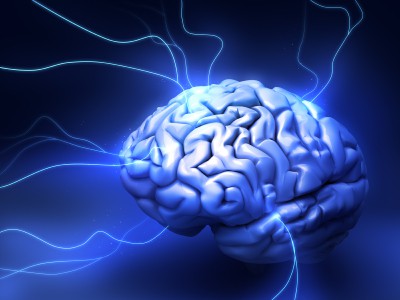
This approach is used to encourage different patterns of brain activity, commonly described as Beta, Alpha, Theta, Delta or Gamma waves. Slower rhythms are often sought for relaxation, meditation, hypnotic induction, falling asleep or easing the perception of pain. Faster rhythms, by contrast, are generally associated with greater alertness and may help support mood, mental sharpness, concentration and performance. The aim is not to force the mind, but to create conditions that can make a desired mental state more accessible.
From a scientific point of view, the underlying idea is straightforward: the brain is a rhythmic organ, and its activity naturally fluctuates according to task demands, sensory input and internal regulation. Repeated pulses of sound or light may therefore influence ongoing neural timing, especially when the stimulus is stable and attention is relatively available. This does not mean that a single frequency mechanically produces a complex psychological outcome, but it does help explain why certain rhythmic environments may feel calming, absorbing or mentally organising.
It is equally important to distinguish between correlation and cause. Alpha activity, for example, is often associated with relaxed wakefulness, but simply presenting an Alpha-range stimulus does not ensure a meditative experience in every listener. Mental state emerges from several interacting factors, including expectation, emotional tone, bodily tension, environment and prior familiarity with the practice. Entrainment may contribute to the shift, but it usually works best as part of a broader context of attention and regulation.
Common applications and ways to explore it
In practice, brainwave entrainment is often used as a supportive tool and may, in some cases, complement more conventional approaches for certain difficulties. It is commonly explored for deep relaxation, the management of addictions such as drugs, tobacco or binge eating, insomnia, attention deficit with or without hyperactivity, seasonal depression, chronic pain, anxiety and memory support. These uses reflect the wide range of states people may be trying to regulate, from rest and emotional balance to attention and cognitive efficiency.
For those who want to experiment with visual and auditory stimulation to access, almost on demand, states linked with wellbeing, creativity, memorisation, deep meditation or more restorative sleep, 3D Meditation is one option. If you prefer auditory stimulation alone, the Meditation-Relaxation set may be more suitable. To work more specifically on learning, memory, attention or creativity, the memory and cognition pack offers a more targeted approach. There is also the Affirm'Waves range, which combines brainwave entrainment with positive affirmations.
What links these different uses is not a single therapeutic promise, but a shared principle of state modulation. Some people are looking for down-regulation: less mental noise, less physiological tension, easier access to rest. Others are looking for up-regulation: clearer focus, greater vigilance, more cognitive momentum. Brainwave entrainment is often attractive because it can be adapted to both aims, depending on the rhythm, duration and sensory format chosen.
For practical use, consistency often matters more than intensity. Short, regular sessions in a quiet setting may be more useful than occasional long sessions undertaken when the mind is already overstimulated. Many users find that the method becomes more effective when paired with simple habits such as sitting comfortably, reducing distractions, breathing more slowly and allowing attention to settle rather than constantly checking whether the effect is “working”.
- Relaxation and meditation
- Sleep and recovery
- Attention, memory and creativity
- Emotional balance and stress regulation
A supportive approach for relaxation, sleep and mental regulation
Brainwave entrainment, also known as brainwave entrainment, is often used as a practical way of guiding the brain towards mental states that are better suited to a given activity. It relies on rhythmic stimulation, either through sound such as isochronic tones or binaural beats, or through combined visual and auditory stimulation using videos and pulsed sound. After a short period of exposure, the brain may begin to synchronise with the chosen rhythm, a process often described as resonance. The image used in the original explanation remains helpful here: rather like a train coupled to a locomotive, the brain can start to follow the frequency of the stimulus.
This makes it possible to encourage different patterns of brain activity, commonly described as Beta, Alpha, Theta, Delta or Gamma waves. In practical terms, slower rhythms are often sought for deep relaxation, meditation, hypnotic induction, easing into sleep or supporting pain relief, while faster rhythms may help support mood, sharpen attention and improve concentration or performance. In this sense, brainwave entrainment may be used as a complementary tool and, in some situations, is explored as an alternative to more conventional approaches. It should nevertheless be presented with care: rather than promising a remedy, it is more accurate to say that it may help support regulation in a range of difficulties linked to stress, attention, sleep and emotional balance.
For relaxation and sleep in particular, the value of the method often lies in its ability to provide structure. When the mind is restless, abstract instructions such as “switch off” or “stop thinking” are rarely helpful. A steady auditory or visual rhythm gives attention something simple to rest on, which may reduce cognitive scattering and support a gradual shift towards lower arousal. This is one reason the method is often appreciated by people who find traditional relaxation techniques difficult at first.
There is also a meaningful difference between sedation and regulation. The goal is not merely to feel dull or passive, but to move towards a state in which the nervous system is less overdriven and attention is less fragmented. In that sense, a successful session may feel less like being “put under” and more like recovering a natural capacity for calm, continuity and mental spaciousness.
Common therapeutic applications and ways to explore it
Among the best-known applications, brainwave entrainment is often explored for addictions such as drugs, tobacco or binge eating, for attention deficit with or without hyperactivity, for seasonal depression, and for memory support. These uses reflect a simple idea: by acting on rhythm, attention and sensory regulation, this kind of stimulation may help create conditions that are more favourable to calm, focus, learning or emotional steadiness. The appeal of the method lies partly in this flexibility, since the same principle can be adapted to very different goals depending on the frequencies and format used.
For those who want to explore visual and auditory stimulation in order to access, almost on demand, states linked to wellbeing, creativity, memorisation, deep meditation or more restorative sleep, 3D Meditation is presented as a suitable option. If you prefer auditory stimulation alone, the Meditation-Relaxation set offers a more focused format. To work more specifically on learning, memory, attention or creativity, the memory and cognition pack is designed for that purpose. Finally, for those interested in combining brainwave entrainment with positive verbal conditioning, the Affirm'Waves range brings together rhythmic stimulation and positive affirmations.
Where therapeutic language is used, caution remains essential. In areas such as addiction, chronic pain or mood difficulties, entrainment may be considered a supportive practice rather than a stand-alone solution. It may help some users regulate stress, improve adherence to calming routines or create a more receptive state for other forms of work, but it should not be presented as a promised replacement for appropriate clinical care when that is required.
That said, supportive tools can still be valuable. A method does not need to solve a problem completely in order to make a meaningful difference to daily functioning. If a session helps someone settle more easily in the evening, sustain attention for longer, or interrupt a cycle of agitation, that modest shift may already have practical significance over time.
Areas where this approach is most often used
Brainwave entrainment is often sought for a range of practical aims linked to mental regulation and day-to-day wellbeing. Among the most familiar uses are deep relaxation, support for insomnia, help with anxiety, and support for chronic pain. It is also explored by people who want to improve memory, sharpen attention, or create more favourable conditions for learning and concentration.

Related offer
10 States of Consciousness - Infinity Elementary Pack
Elementary Infinity - The 10 States of Consciousness A unique sound box designed to explore the 5 states of...
View productIn some cases, it may also be used as a complementary tool for more specific difficulties, such as addictions including drugs, tobacco or binge eating, attention deficit with or without hyperactivity, or seasonal depression. Used with appropriate caution, this kind of stimulation may support a calmer, more stable mental state, although it should not be presented as a promised substitute for medical care when that is needed.
These areas have something in common: they all involve some degree of dysregulation in arousal, attention or emotional tone. Whether the difficulty is racing thoughts at night, scattered concentration during the day, or a persistent sense of inner tension, the person is often trying to regain a more workable rhythm. Brainwave entrainment is frequently used in that spirit — not to impose an artificial state, but to support a more manageable one.
Its appeal in everyday life also comes from accessibility. Unlike practices that require extensive training, the basic format is simple: listen, observe, allow the rhythm to do part of the organisational work. For some users, this simplicity lowers the threshold for regular practice and makes self-regulation feel less effortful and more concrete.
- Deep relaxation and stress reduction
- Sleep support and insomnia
- Attention, memory and cognitive focus
- Anxiety, chronic pain and related regulation needs
Choosing between visual-auditory and audio-only stimulation
If you want to explore visual and auditory stimulation together in order to access different states of consciousness almost on demand, the aim is usually to make the shift feel easier and more immediate. People often look for this kind of support to encourage wellbeing, creativity, memory, deep meditation or more restorative sleep. In that context, 3D Meditation is presented as a way to experiment with combined stimulation in a more immersive format.
For those who prefer auditory stimulation alone, the Meditation-Relaxation set offers a simpler entry point. If your priority is to develop learning capacity, memory, attention or creativity, the memory and cognition pack is designed around those goals. Another option is to combine brainwave entrainment with positive affirmations through Affirm'Waves, for people who want to work not only on state regulation, but also on inner dialogue and mental orientation.
The choice between these formats often depends on sensory preference as much as on objective aim. Some people respond well to a richer, more immersive environment and find that visual pulses help stabilise attention. Others prefer audio alone because it feels less intense, more discreet and easier to integrate into a daily routine. Neither format is inherently superior; the more useful option is usually the one that feels sustainable and comfortable enough to repeat.
It can also be helpful to think in terms of context. Combined stimulation may suit a dedicated session in a quiet space, whereas audio-only formats are often more flexible for evening use, brief daytime resets or regular practice with eyes closed. Matching the format to the moment often improves adherence and, with it, the overall benefit.
- Combined visual and auditory stimulation: 3D Meditation
- Audio-only support: Meditation-Relaxation set
- Cognitive goals: memory and cognition pack
- With positive affirmations: Affirm'Waves
Choosing the Right Type of Stimulation for Your Aim
Visual-auditory or audio-only: two ways to explore different states
If you would like to try visual and auditory stimulation to access, almost on demand, different states of consciousness linked with wellbeing, creativity, memory, deep meditation or more restorative sleep, 3D Meditation is presented as a suitable option. Combining rhythmic sound with visual stimulation may help some people settle more quickly into a chosen mental state, particularly when they are looking for a more immersive experience.

If you prefer auditory stimulation on its own, the Meditation-Relaxation box set offers a simpler format. This kind of approach is often sought for relaxation, mental decompression and regular practice, without the added sensory input of visual pulses. In both cases, the aim is not to force the mind, but to provide a structured sensory rhythm that may support a shift in attention, arousal and inner calm.
In practical terms, combined stimulation may feel more directive because it recruits more than one sensory channel at once. Audio-only sessions, by contrast, often leave more room for inward attention and may be easier to tolerate when someone is already mentally overloaded. The best choice therefore depends not only on the desired outcome, but also on how much stimulation feels helpful rather than intrusive.
For beginners, a gradual approach is often sensible. Starting with shorter sessions and a comfortable volume can make the experience easier to assess. If the aim is evening relaxation, gentler and slower programmes are usually more appropriate than highly activating ones; if the aim is concentration, the opposite may be true. Matching the stimulation to the intended state is more important than simply choosing the most intense format.
- Visual and auditory stimulation for a more immersive experience
- Audio-only stimulation for a simpler, more flexible practice
Programmes tailored to cognition and positive mental conditioning
Some tools are designed less for rest and more for cognitive support. If your priority is to develop capacities linked with learning, memory, attention or creativity, the memory and cognition pack is the option highlighted here. This type of programme is generally used when people want to create conditions that may favour clearer focus, better mental availability and more efficient information processing.
Another variation combines brainwave entrainment with positive affirmations. This is the principle behind Affirm'Waves, which brings together rhythmic stimulation and verbal suggestion. For some users, this pairing may help reinforce a desired mental orientation while the mind is in a more receptive, relaxed or focused state. As always, the most useful choice depends on your main aim: deeper relaxation, better sleep, improved concentration, enhanced creativity or a more supportive inner dialogue.
Cognitive programmes are often most useful when expectations remain specific. Rather than assuming that a track will directly increase intelligence or transform performance, it is more realistic to see it as a way of supporting the conditions under which cognition tends to function better: steadier attention, reduced distractibility, improved task engagement and a more coherent mental tempo. Those changes, while subtle, can be highly relevant in study, creative work or mentally demanding routines.

Related offer
18 States of Consciousness - Integral Infinity Pack
Integral Infinity - The 18 States of Consciousness A unique sound box designed to explore all the...
View productThe addition of affirmations introduces a different mechanism. Here the goal is not only rhythmic regulation, but also repeated exposure to verbal content that may shape self-perception, motivation or emotional framing. This does not ensure deep psychological change on its own, yet it may be useful for people who want to combine state-based work with a more intentional form of mental orientation.
- Méditation 3D for immersive visual-auditory sessions
- Méditation-Relaxation for audio-only practice
- Memory and cognition pack for learning, attention and creativity
- Affirm'Waves for entrainment combined with positive affirmations
The Mental Waves Entrainment Discernment Framework
The Mental Waves frame is to treat entrainment as support, not control. Rhythmic stimulation may invite the brain toward a state, but context, expectation and the listener still matter.
Start with comfortable volume, short sessions and a clear aim: calm, focus, meditation or sleep. Then observe the effect instead of assuming that one frequency will work for everyone.
For a simple sound-based entry point, receive the free 128 Hz sacred frequency session and notice how steady listening changes your state.
Editorial note from Mental Waves
This article is educational. Brainwave entrainment may support relaxation or attention, but it is not a clinical intervention and does not replace professional care for symptoms or disorders.
Conclusion
Changing one’s state of consciousness “without effort” does not mean bypassing the mind, but working with it more skilfully. In that sense, brainwave entrainment is best understood as a method of guidance rather than control: a way of using rhythmic auditory or visual stimulation to encourage the brain towards states associated with relaxation, attention, meditation or sleep. Its interest lies precisely in this balance between lived experience and physiological regulation — the subjective feeling of calm, clarity or mental slowing may be personal, but it is not entirely disconnected from how the brain responds to repeated sensory patterns.
That is also why this approach is often sought in such varied contexts, from stress reduction and sleep support to concentration, mood regulation and cognitive training. It may help some people access a more favourable mental state with less friction, whether through audio-only sessions or combined visual-auditory stimulation, but it is not a universal shortcut and should be approached with the same realism as any supportive practice. Used thoughtfully, it offers something simple and valuable: a structured way to influence attention, perception and inner rhythm, without forcing the process.
Seen in this light, the promise of “effortless” change becomes more credible. The effort is not removed altogether; rather, it is redistributed. Instead of relying solely on willpower, the person uses rhythm, sensory structure and repetition to make a desired state easier to enter and maintain. For many people, that shift in method is precisely what makes the experience feel more natural and more sustainable.
Ultimately, brainwave entrainment is most useful when it is approached as a disciplined but flexible aid to self-regulation. It may support rest, focus, meditation, sleep or cognitive work, provided it is used with clear aims and sensible expectations. In a culture that often demands constant mental output, there is real value in any method that helps restore rhythm, reduce internal friction and make consciousness a little more workable from within.
Frequently Asked Questions About Changing Your State of Consciousness with Brainwave Entrainment
What is brainwave entrainment in practical terms?
Brainwave entrainment is a method that uses rhythmic stimulation to guide brain activity towards a chosen mental state. It usually relies on sound, such as isochronic tones or binaural beats, and can also combine visual pulses with audio. After a short period, the brain may begin to synchronise with the rhythm being presented.
How can brainwave entrainment change a state of consciousness without much effort?
It works by encouraging the brain to follow an external rhythm rather than relying only on willpower or concentration. This can make certain states feel easier to access, whether the aim is relaxation, meditation, sleep or sharper focus. The process is often described as resonance, where brain activity aligns with the chosen stimulus.
What is the difference between slower and faster brainwave patterns?
Slower patterns are generally used to support relaxation, meditation, hypnotic induction, falling asleep or easing discomfort. Faster patterns are more often linked with alertness, improved mood, mental sharpness, concentration and performance. These shifts are commonly described through Beta, Alpha, Theta, Delta and Gamma activity.
Which mental or therapeutic uses are most commonly associated with brainwave entrainment?
Common uses include deep relaxation, insomnia, anxiety, chronic pain and memory support. It is also explored for addictions such as drugs, tobacco or binge eating, attention deficit with or without hyperactivity, and seasonal depression. In these cases, it is presented as a supportive approach that may complement, and sometimes replace, conventional treatment.
What kinds of stimulation are used in brainwave entrainment?
The main forms are auditory stimulation and combined visual-auditory stimulation. Auditory methods include isochronic tones and binaural beats, while combined formats use videos and rhythmic sound pulses together. Both aim to create a repeated sensory pattern that the brain can begin to follow.
When might visual and auditory stimulation be preferred over audio alone?
Combined visual and auditory stimulation may suit people who want a more immersive way to access states linked with wellbeing, creativity, memorisation, deep meditation or more restorative sleep. Audio-only stimulation may be a simpler option for regular use, especially when the goal is relaxation or mental settling without visual input.
What options are mentioned for trying different types of brainwave entrainment?
Méditation 3D is mentioned for combined visual and auditory stimulation. The Méditation-Relaxation set is suggested for auditory stimulation alone. For learning, memory, attention or creativity, the memory and cognition pack is highlighted, while Affirm'Waves combines brainwave entrainment with positive affirmations.
Can brainwave entrainment help with concentration and learning?
Yes, it is presented as a way to support concentration, attention, memorisation and creativity. Faster brainwave patterns are associated with mental sharpness and performance, which is why this approach is also used for cognitive aims. The memory and cognition pack is the option specifically linked with these goals.
Is brainwave entrainment meant to force the mind into a particular state?
No, the aim is to guide rather than force. The method uses structured sensory rhythms to make a desired state more accessible, whether that means calm, focus, meditation or sleep. It is better understood as support for mental regulation than as a rigid form of control.