en
enVotre panier est vide.


Tips and practices
Explanations
Relaxation and Meditation
Science & Neuroscience
therapeutic methods
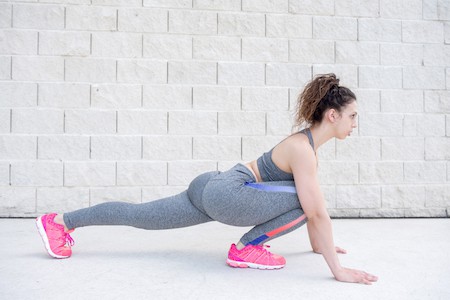
You may already have come across dynamic relaxation, sometimes referred to here as dynamic sophrology. At heart, it is a body-based approach designed to bring a calmer inner state through movement, breath and release. Far from being an abstract wellbeing idea, it works through simple physical sequences that help you notice tension more clearly and let the body settle in a more conscious way.
What makes this method interesting is its practical, grounded nature. Rather than promising instant transformation, it relies on a few precise exercises that engage breathing, muscular contraction and relaxation, as well as awareness of each side of the body and of the chest opening more freely. The aim is straightforward: to help you feel more at ease in your body, and in doing so, a little more at peace within yourself.
There is something quietly reassuring about approaches like this. They do not ask you to become someone else, nor to empty your mind by force. They simply invite you to return to sensation: to the way the breath moves, to the way the shoulders hold, to the way one side of the body may feel more guarded than the other. That return, modest as it sounds, can already change the quality of a day.
In short: what are dynamic sophrology exercises?
Dynamic sophrology exercises are simple practices that combine breathing, gentle movement and body awareness to release tension and restore calm. They are designed to be practical, embodied and easy to repeat.
- Breathing gives the nervous system a slower rhythm.
- Movement helps tension circulate and release.
- Body awareness reconnects attention with sensation.
- Short practice is often more useful than rare intensity.
For a guided reset, try the free Mental Reset Session. For related breathwork, read Breathing Techniques.
Dynamic sophrology is often appreciated precisely because it remains accessible. You do not need elaborate equipment, unusual flexibility or a particularly meditative temperament. What matters more is the quality of attention you bring to the movements. Done gently and regularly, these exercises can become small anchors, especially during periods when stress has made the body feel crowded, tight or slightly absent from itself.
IRTER: a simple breathing sequence to release tension
What IRTER means in practice
IRTER is an acronym built around four key stages: Inhalation, Retention, Tension, Exhalation and Release. In dynamic relaxation, the method is used to bring your attention back to the breath and, through that, to create a deeper sense of physical calm. The first step is to inhale gently and deeply, allowing the breath to fill the belly first, then the chest and finally the shoulders. You then move into retention, holding the air in the lungs for a brief moment so that the body becomes fully aware of the breath.
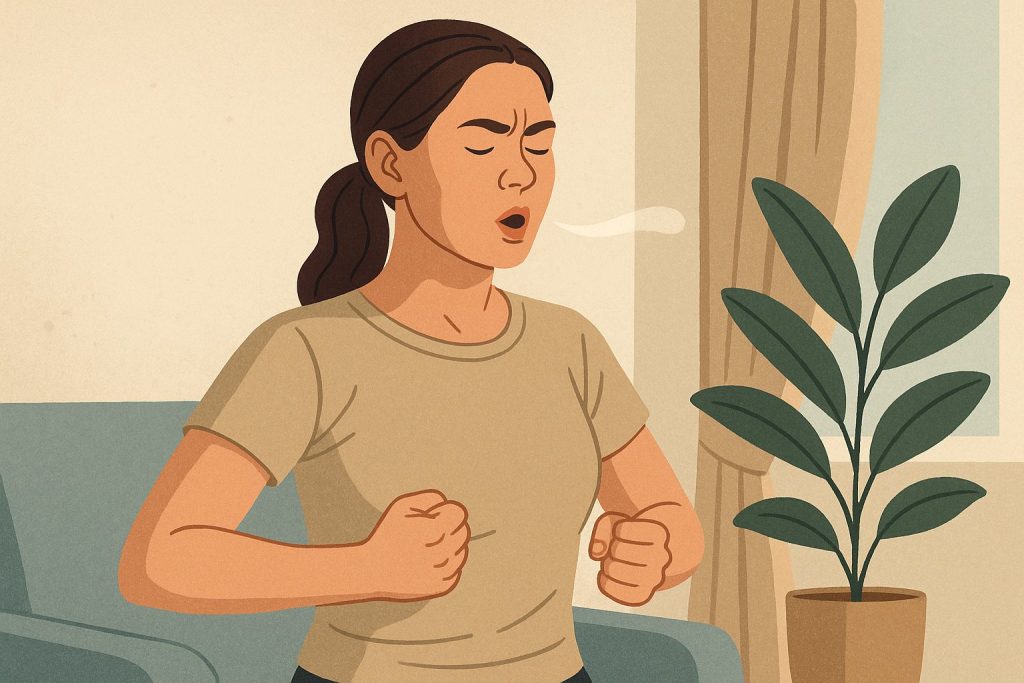
Next comes the phase linked to tension: you deliberately contract the muscles of the body by wrinkling the forehead, frowning slightly, clenching the fists and tightening the buttocks. This is followed by exhaling through the mouth, with the intention of letting the body’s tensions leave with the breath. The final stage is release, when you consciously loosen all the muscles and take a moment to notice the sensation of relaxation settling in.
What is striking about IRTER is that it does not treat tension as a failure. Instead, it uses tension as part of the path towards release. By briefly exaggerating muscular contraction in a controlled way, you often become far more aware of what you have been carrying unconsciously. The exhalation then feels less theoretical and more tangible, as though the body finally understands what it means to let go.
For some people, the most useful part is the pause created by retention. Holding the breath for a moment can sharpen awareness and interrupt the usual rush of automatic breathing. It is not about strain or performance; it is about creating a clear internal moment in which the body, the breath and attention all meet. From there, the release tends to feel fuller and more honest.
- Inhale deeply and smoothly
- Hold the breath for a moment
- Tense, exhale and then fully release
Why this sequence can feel so effective
What makes IRTER so helpful is its simplicity. Rather than asking you to relax on command, it guides you through a clear physical sequence: breathing in, holding, contracting, breathing out and letting go. That contrast between muscular effort and release often makes the sensation of relaxation easier to feel. For many people, it is precisely this shift that helps the body move from agitation towards a calmer, more settled state.
Practised gently, IRTER can become a useful way of reconnecting with your body when stress has built up unnoticed. The exercise encourages a more conscious relationship with breathing while also helping you recognise where tension is being stored. In that sense, it is not only a breathing technique, but also a practical way to experience relaxation more fully and appreciate it once it arrives.
It can also be surprisingly revealing. Many of us think we are relaxed until we are asked to notice the jaw, the brow, the hands or the abdomen. IRTER creates a simple map of these areas. As you move through the sequence, you may realise that the body has been bracing itself in subtle ways all day long. That awareness is not meant to make you self-conscious; it simply gives you a clearer starting point.
In practice, the exercise often works best when it is done without hurry. A slower inhalation, a brief and comfortable retention, a deliberate contraction and a complete exhalation can make all the difference. The point is not intensity but precision. Even one or two careful rounds can leave you feeling more gathered, as though the nervous system has been given a clearer signal that it is safe to soften.
Used regularly, IRTER may become one of those discreet techniques you return to before a difficult conversation, after a draining commute or at the end of a day that has left you mentally scattered. Its strength lies in the fact that it is both structured and immediate. You do not need to analyse anything. You simply breathe, tense, release and notice what changes.
Using the Hemibody Exercise to Rebalance the Body
A simple way to work one side, then the other
The hemibody exercise works by isolating one side of the body and then the other, usually moving from the right side to the left. The idea is simple, but the effect can be surprisingly grounding: by focusing on each side in turn, you become more aware of how tension and relaxation are distributed through the body. To begin, take a deep breath in, stand firmly on both feet and hold the air for a moment.
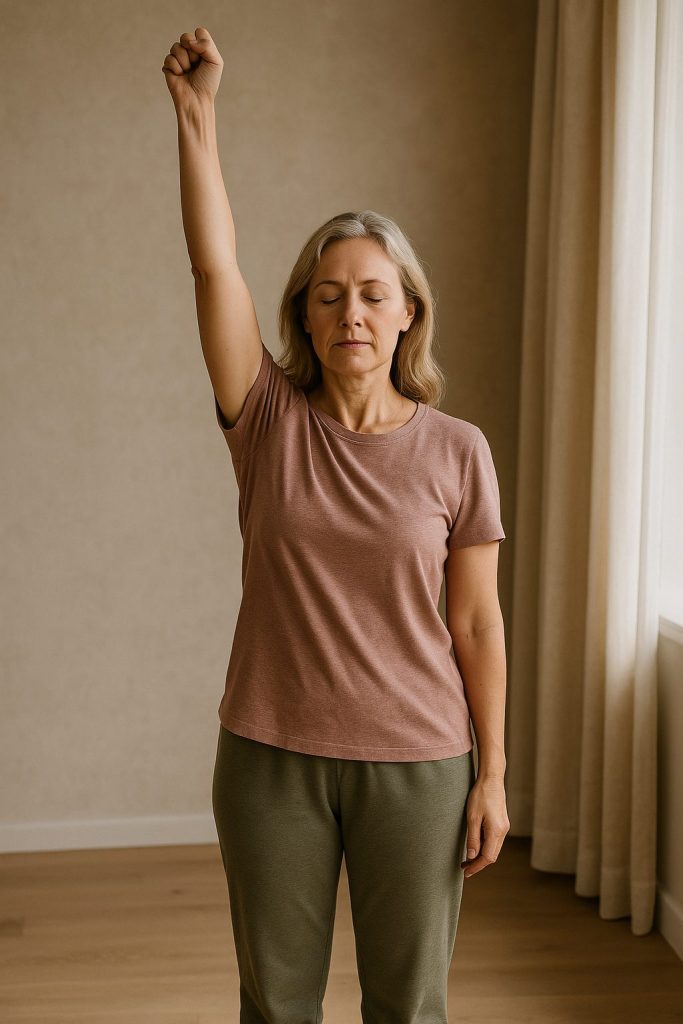
Then raise your right hand towards the sky with your fist closed. This deliberate movement helps you feel the contrast between the side that is engaged and the side that is already letting go. Return gently to your starting position, then repeat the same action three times, alternating with the left hand and then the right again. Practised in this way, the exercise encourages a feeling of release that can spread through the whole body, from head to toe.
Although the gesture itself is uncomplicated, the experience can be unexpectedly subtle. One side may feel heavier, less responsive or more defended than the other. You may notice that balance shifts slightly under your feet, or that one shoulder wants to rise more than the other. These small differences are part of the exercise. They help you sense the body not as a single block, but as a living structure with its own asymmetries and habits.
That is one reason the hemibody exercise can feel so grounding. It narrows your attention without making it rigid. Instead of trying to relax everywhere at once, you work with one side, then the other, and allow the body to reorganise itself through contrast. For people who find broad relaxation instructions too vague, this more concrete approach can be especially helpful.
- Stand evenly on both feet
- Breathe in deeply and hold briefly
- Raise one clenched fist towards the sky
- Alternate sides and repeat the movement three times
Why this movement can feel so calming
What makes this method helpful is not just the gesture itself, but the quality of attention it asks for. When you isolate the limbs on one side, you often notice more clearly where the body is tight and where it is already softening. That contrast can create a very immediate sense of relaxation, as though the body is reorganising itself little by little.
In dynamic sophrology, these small, controlled movements are not there to tire you out. They are there to help you reconnect with your physical sensations in a calm, steady way. The hemibody exercise is a good example of that approach: it is accessible, concrete and easy to repeat, yet it can leave you feeling more settled, more balanced and genuinely more relaxed overall.
Related offer
Meditation - Relaxation set
All the Mental Waves® know-how in a single pack for quick and easy access to meditation and...
View productThere is also a psychological effect to this kind of alternation. Moving from one side to the other can create a sense of order when you feel inwardly scattered. The body receives a clear sequence, and the mind often follows. It is a quiet form of rebalancing, not because it forces symmetry, but because it restores a more attentive relationship with the body’s own signals.
For many people, the calming effect comes from this combination of firmness and gentleness. You stand upright, breathe with intention and make a precise movement, yet nothing is aggressive. The exercise asks for presence rather than effort. When done in that spirit, it can leave behind a feeling of internal coherence that is difficult to manufacture through thought alone.
If you practise it regularly, you may begin to notice patterns beyond the exercise itself. Perhaps one side always feels more hurried, more contracted or less available. Perhaps your breathing changes depending on which arm is raised. These observations are not incidental; they are part of the value of the method. They help you inhabit your body with a little more honesty and a little less automaticity.
Arm Circles to Open the Chest and Reconnect with the Body
Why this movement can feel so releasing
Arm circles, or moulinets, help you feel more in tune with your body. Their main purpose is to open the rib cage and release the diaphragm, which is often where tension settles when breathing becomes shallow or restricted. Unlike a purely passive relaxation exercise, this one uses movement to create space in the upper body, so the breath can circulate more freely and the body can gradually let go.
What makes the exercise so effective is its simplicity. You breathe in fully, lift one arm towards the sky with the fist closed, then briefly hold the air in your lungs before making circular movements from the shoulder. That combination of breath, posture and controlled motion can create a very tangible sense of opening through the chest. Done calmly, it often brings a feeling of greater ease and a clearer awareness of how your body is responding.
The chest is often one of the first places to reflect emotional strain. When we are rushed, worried or mentally overloaded, breathing tends to climb upwards and become narrower. The moulinets work against that pattern in a direct but gentle way. By mobilising the shoulders and encouraging the rib cage to open, they can help restore a fuller, less constricted breath.
There is also something distinctly enlivening about this movement. While some relaxation methods lead mainly towards stillness, arm circles create release through motion. That can suit people who struggle to settle through immobility alone. The body is given something clear to do, and through that action, tension often begins to loosen without resistance.
- It helps open the chest.
- It encourages the diaphragm to release.
- It can restore a stronger sense of bodily awareness.
How to practise the moulinets step by step
To begin, take a steady in-breath and stretch your left arm upwards with the fist closed. Then hold the breath for a moment and make circular movements with the arm around the shoulder joint, following a clockwise direction. Once the movement is complete, breathe out and lower the left arm gently. You then repeat the same sequence on the other side, moving from the left arm to the right.
When both sides have been worked separately, raise both arms together, without lifting them higher than shoulder level, and repeat the circular motion with closed fists. Finish by breathing out deeply, then start the whole series again. In the original method, the exercise is repeated three times, which helps the body settle into the movement and makes the relaxing effect more noticeable from one round to the next.
As with the other exercises, the quality of the movement matters more than speed. The circles do not need to be large or forceful. In fact, they are often more effective when they remain controlled and fluid, allowing the shoulder joint to move without strain. If the neck begins to tighten or the breath becomes jerky, that is usually a sign to soften the effort rather than push through it.
It can be helpful to pay attention to what happens after each exhalation. There is often a brief moment when the shoulders drop, the chest feels less armoured and the breath returns on its own with more ease. That small after-effect is part of the exercise. It is where the body begins to register that the movement was not simply mechanical, but genuinely releasing.
Repeated over three rounds, the moulinets can create a cumulative sense of opening. The first round may feel slightly formal, the second more fluid, and by the third the body often understands the pattern well enough to let go more deeply. This gradual settling is one of the understated strengths of dynamic sophrology: it does not demand an immediate result, but allows the effect to build through repetition and attention.
- Lift one arm and inhale deeply.
- Hold the breath and make circular movements from the shoulder.
- Exhale as you lower the arm, then switch sides.
- Repeat the full series three times, finishing with both arms.
How to Practice Dynamic Sophrology Safely
Dynamic sophrology works best when the movements stay gentle and attentive. The goal is not athletic performance. It is to notice what the body is carrying, breathe through tension and return to a clearer state. If a movement creates pain, dizziness or emotional overload, it should be reduced or stopped.
A useful session can last only a few minutes: stand or sit comfortably, breathe slowly, move the shoulders or arms with awareness, pause, then notice the difference. This alternation between action and pause is central because it teaches the body to recognize release.
Dynamic sophrology can also be placed at transition points in the day: before a meeting, after commuting, between study sessions or before sleep preparation. These short transitions matter because stress often accumulates when the body never receives a clear signal that one moment has ended and another can begin.
For beginners, repetition is more important than complexity. One simple movement practiced with attention for a week can teach more than a long sequence done once and forgotten under pressure. The body learns through repetition and patience.
The Mental Waves Dynamic Sophrology Framework
The Mental Waves frame is to make relaxation active without making it forceful. Dynamic sophrology gives stress a path through breath, movement and attention.
- Breathe: slow the rhythm before adding movement.
- Move: release tension through simple gestures.
- Pause: notice sensations after each exercise.
- Integrate: return to the day with one calmer action.
For a structured breathing rhythm, continue with Cardiac Coherence. For a broader stress guide, read How to Free Yourself from Stress.
Editorial note from Mental Waves
This article is educational. Adapt movements to your body, avoid strain and seek qualified guidance if you have pain, dizziness, trauma symptoms or medical concerns.
Conclusion
Sophro dynamique is perhaps most helpful when it is kept simple: breath, movement and attention working together rather than separately. IRTER, the hemibody exercise and the arm circles do not promise to transform everything at once, but they can create a very real shift in how the body holds tension, how the chest opens, and how the mind returns to something steadier.
That is also what makes the method interesting. It is not only about “switching off”, but about noticing, engaging and then releasing with a little more precision. In that sense, dynamic sophrology sits in a useful middle ground between relaxation and embodied awareness: gentle enough to remain accessible, yet active enough to help some people feel more present in themselves. Sometimes, that small return to the body is already a lot.
What stays with many people is not the complexity of the exercises, but their honesty. They ask you to feel what is there: the held breath, the clenched jaw, the uneven shoulders, the relief that follows a proper exhalation. In a culture that often keeps attention in the head, that kind of bodily clarity can feel quietly restorative.
There is no need to approach these practices with perfectionism. A few careful minutes can be enough to change the tone of an afternoon or soften the residue of a difficult day. Over time, the value of dynamic sophrology may lie less in any dramatic breakthrough than in the steady habit of returning to yourself with a little more care, a little more precision and a little less force.
{
"@context": "https://schema.org",
"@type": "FAQPage",
"mainEntity": [
{
"@type": "Question",
"name": "What is dynamic sophrology?",
"acceptedAnswer": {
"@type": "Answer",
"text": "Dynamic sophrology is a body-based relaxation approach using breath, movement and awareness."
}
},
{
"@type": "Question",
"name": "Why is it called dynamic?",
"acceptedAnswer": {
"@type": "Answer",
"text": "It includes gentle movement, not only stillness or seated relaxation."
}
},
{
"@type": "Question",
"name": "Who can practice dynamic sophrology?",
"acceptedAnswer": {
"@type": "Answer",
"text": "Many people can practice gentle versions, but movements should be adapted to comfort and physical condition."
}
},
{
"@type": "Question",
"name": "How long should a session last?",
"acceptedAnswer": {
"@type": "Answer",
"text": "A few minutes can be useful when the practice is attentive and repeated regularly."
}
},
{
"@type": "Question",
"name": "Why does breathing matter?",
"acceptedAnswer": {
"@type": "Answer",
"text": "Breathing gives the practice rhythm and helps attention return to the body."
}
},
{
"@type": "Question",
"name": "Can dynamic sophrology help with stress?",
"acceptedAnswer": {
"@type": "Answer",
"text": "It can support stress regulation by combining breath, movement and awareness in a simple routine."
}
},
{
"@type": "Question",
"name": "Can it be practiced sitting?",
"acceptedAnswer": {
"@type": "Answer",
"text": "Yes. Many exercises can be adapted for sitting, standing or very gentle movement."
}
},
{
"@type": "Question",
"name": "When should someone stop an exercise?",
"acceptedAnswer": {
"@type": "Answer",
"text": "Stop or reduce the movement if pain, dizziness, fear or discomfort appears."
}
},
{
"@type": "Question",
"name": "What is the main takeaway?",
"acceptedAnswer": {
"@type": "Answer",
"text": "Dynamic sophrology is most useful when it stays gentle, embodied and easy to repeat in daily life."
}
}
]
}
Frequently Asked Questions About Dynamic Sophrology
What is dynamic sophrology?
Dynamic sophrology is a body-based relaxation approach using breath, movement and awareness.
Why is it called dynamic?
It includes gentle movement, not only stillness or seated relaxation.
Who can practice dynamic sophrology?
Many people can practice gentle versions, but movements should be adapted to comfort and physical condition.
How long should a session last?
A few minutes can be useful when the practice is attentive and repeated regularly.
Why does breathing matter?
Breathing gives the practice rhythm and helps attention return to the body.
Can dynamic sophrology help with stress?
It can support stress regulation by combining breath, movement and awareness in a simple routine.
Can it be practiced sitting?
Yes. Many exercises can be adapted for sitting, standing or very gentle movement.
When should someone stop an exercise?
Stop or reduce the movement if pain, dizziness, fear or discomfort appears.
What is the main takeaway?
Dynamic sophrology is most useful when it stays gentle, embodied and easy to repeat in daily life.